
On was an interdisciplinary graduate periodical established by RISD graduate students in 2006. It featured essays and student work that related to a general issue theme. On was intended as a quarterly publication, but it is unclear if further issues beyond the first were ever published.







-

Faculty Fellow Eric Anderson
Eric Anderson, Theory and History of Art and Design Department, Rhode Island School of Design RISD Color Lab, and Ruchika Nambiar
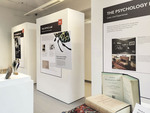
Starting with the question What is a Color Lab?, Color Lab Faculty Fellowship recipient Eric Anderson proposes an interdisciplinary historical study of facilities and techniques for exploring color in design. The RISD Color Lab occupies a lineage of institutional spaces in which scientists, designers, makers, and theorists have carried out technical experiments, creative work, and scholarly research aimed at producing knowledge about color. Through this project, Anderson situates the Color Lab historically to consider the possibilities and limits of color research for design.
-
Faculty Fellow Eric Anderson
Eric Anderson, Theory and History of Art and Design Department, Rhode Island School of Design RISD Color Lab, and Ruchika Nambiar
Starting with the question What is a Color Lab?, Color Lab Faculty Fellowship recipient Eric Anderson proposes an interdisciplinary historical study of facilities and techniques for exploring color in design. The RISD Color Lab occupies a lineage of institutional spaces in which scientists, designers, makers, and theorists have carried out technical experiments, creative work, and scholarly research aimed at producing knowledge about color. Through this project, Anderson situates the Color Lab historically to consider the possibilities and limits of color research for design.
-
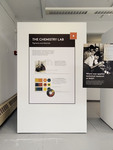
Faculty Fellow Eric Anderson
Eric Anderson, Theory and History of Art and Design Department, Rhode Island School of Design RISD Color Lab, and Ruchika Nambiar
Starting with the question What is a Color Lab?, Color Lab Faculty Fellowship recipient Eric Anderson proposes an interdisciplinary historical study of facilities and techniques for exploring color in design. The RISD Color Lab occupies a lineage of institutional spaces in which scientists, designers, makers, and theorists have carried out technical experiments, creative work, and scholarly research aimed at producing knowledge about color. Through this project, Anderson situates the Color Lab historically to consider the possibilities and limits of color research for design.
-
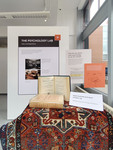
Faculty Fellow Eric Anderson
Eric Anderson, Theory and History of Art and Design Department, Rhode Island School of Design RISD Color Lab, and Ruchika Nambiar
Starting with the question What is a Color Lab?, Color Lab Faculty Fellowship recipient Eric Anderson proposes an interdisciplinary historical study of facilities and techniques for exploring color in design. The RISD Color Lab occupies a lineage of institutional spaces in which scientists, designers, makers, and theorists have carried out technical experiments, creative work, and scholarly research aimed at producing knowledge about color. Through this project, Anderson situates the Color Lab historically to consider the possibilities and limits of color research for design.
-
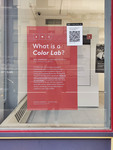
Faculty Fellow Eric Anderson
Eric Anderson, Theory and History of Art and Design Department, Rhode Island School of Design RISD Color Lab, and Ruchika Nambiar
-

Faculty Fellow Eric Anderson | What is a Color Lab? Sites and Practices of Design Research
Eric Anderson, Global Arts & Cultures (GAC), and RISD Color Lab
April 23, 2024 virtual presentation accompanying the exhibition What is a Color Lab?, on view April 8 - May 9, 2024. Starting with the question What is a Color Lab?, Color Lab Faculty Fellowship recipient, associate professor of Theory & History of Art & Design (THAD), and graduate program director of Global Arts & Cultures (GAC) masters program Eric Anderson proposes an interdisciplinary historical study of facilities and techniques for exploring color in design. The RISD Color Lab occupies a lineage of institutional spaces in which scientists, designers, makers, and theorists have carried out technical experiments, creative work, and scholarly research aimed at producing knowledge about color. Through this project, Anderson situates the Color Lab historically to consider the possibilities and limits of color research for design.
-

A Thesis, or Digressions on Sculptural Practice: In Which, Concepts & Influences Thereof are Explained, Set Forth, Catalogued, or Divulged by Way of Commentaries to a Poem, First Conceived by the Artist, Fed Through ChatG.P.T., and Re-edited by the Artist, to Which are Added, Annotated References, Impressions and Ruminations Thereof, Also Including Private Thoughts & Personal Accounts of the Artist
Jaimie An
This thesis is an exercise in, perhaps a futile, attempt to trace just some of the ideas, stories, and musings I might meander through in my process. It’s not quite a map, nor is it a neat catalogue; it is a haphazard collection of tickets and receipts from a travel abroad, carelessly tossed in a carry-on, only to be stashed upon returning home. These ideas are derived from much greater thinkers and authors than myself; I am a mere collector or a translator, if that, and not a very good one, for much is lost. I do not claim comprehensive knowledge of any of the subjects discussed here— instead, it is the gaps in my understanding and the bemusement thereof that serve as an impetus for my work. There is a sense of comfort in embracing the chaos, recognizing that fact is not always truth, and some thing shall never be known.
-
Folding (and Unfolding): A Site-Responsive Strategy for Reusing Construction and Demolition Waste
Jennifer Ansley
Discarding—in its most reductive formulation— is a sorting operation that makes distinctions between materials (as well as objects, people, communities, and landscapes) based on perceived value. In her book Waste of the World, Nicky Gregson, therefore, argues for a more careful collection-curation strategy that revalues and re-signifies “waste” to make it available for repair and reuse. Gregson, however, points to limited space and infrastructural capacity as a potential barrier to the development of new material handling strategies. My design responds by proposing a network of walls and paths that operate in each of the sites I’ve identified as an on-site waste collection-curation strategy while simultaneously articulating the historical and material processes that have produced each of these sites in their current conditions via processes of construction, demolition, and redevelopment that have destroyed communities alongside buildings and landscapes. These processes are articulated through the fold as both a concept and formal design strategy that harnesses the waste on site and subsumes it into new forms. Meanwhile, my design works to articulate a staging process for the disassembly of these buildings that makes more material available for collection and reuse, even in a densely developed urban metropolis, like New York City, allowing the history of the built environment to be incorporated into the city’s economic, cultural, and ecological transformation.
-
DEFINING SELF IN THE URBAN FRONTIER
YIMENG AN
In the hustle and bustle of modern cities, people are often overshadowed by towering skyscrapers, like a small blade of grass in a concrete forest, obscured by huge shadows, losing the ability to see one's self. Fact about the design of skyscrapers often neglects the human scale, causing individuals to feel disconnected from their surroundings. Existing research has shown that living in dense urban environments with numerous tall buildings can contribute to feelings of being overwhelmed and insignificant. For instance, skyscrapers, while symbols of urban growth and economic power, can also create a sense of alienation among city residents .
I link my research and design approach with tales, images, films, and prints from my cross-border trip experiences. This design seeks to produce moments in the urban experience that inspire individuals to reconnect with nature and enjoy a space of reflection guided by inner silence. Through sensory encounters, the design aims to shape one's views of the surroundings and self, enabling people to hear, see, feel, and witness the environment in a more profound way.
-
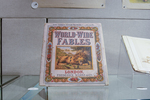
Rainbow Stones | chromolithography through time
Alison Beaudette, Kobe Jackson, Fleet Library, and Special Collections
-
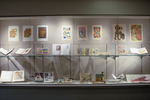
Rainbow Stones | chromolithography through time
Alison Beaudette, Kobe Jackson, Fleet Library, and Special Collections
-

Rainbow Stones | chromolithography through time
Alison Beaudette, Kobe Jackson, Fleet Library, and Special Collections
-

Rainbow Stones | chromolithography through time
Alison Beaudette, Kobe Jackson, Fleet Library, and Special Collections
-

Rainbow Stones | chromolithography through time
Alison Beaudette, Kobe Jackson, Fleet Library, and Special Collections
-
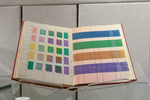
Rainbow Stones | chromolithography through time
Alison Beaudette, Kobe Jackson, Fleet Library, and Special Collections
-
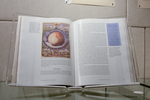
Rainbow Stones | chromolithography through time
Alison Beaudette, Kobe Jackson, Fleet Library, and Special Collections
-
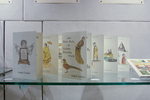
Rainbow Stones | chromolithography through time
Alison Beaudette, Kobe Jackson, Fleet Library, and Special Collections
-
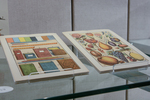
Rainbow Stones | chromolithography through time
Alison Beaudette, Kobe Jackson, Fleet Library, and Special Collections
-

Rainbow Stones | chromolithography through time
Alison Beaudette, Kobe Jackson, Fleet Library, and Special Collections
-
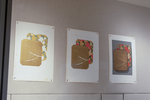
Rainbow Stones | chromolithography through time
Alison Beaudette, Kobe Jackson, Fleet Library, and Special Collections
-
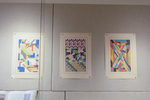
Rainbow Stones | chromolithography through time
Alison Beaudette, Kobe Jackson, Fleet Library, and Special Collections
-
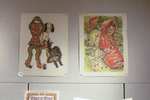
Rainbow Stones | chromolithography through time
Alison Beaudette, Kobe Jackson, Fleet Library, and Special Collections
-
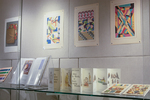
Rainbow Stones | chromolithography through time
Alison Beaudette, Kobe Jackson, Fleet Library, and Special Collections
-
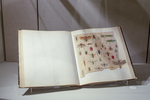
Rainbow Stones | chromolithography through time
Alison Beaudette, Kobe Jackson, Fleet Library, and Special Collections
-
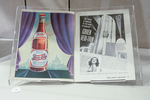
Rainbow Stones | chromolithography through time
Alison Beaudette, Kobe Jackson, Fleet Library, and Special Collections