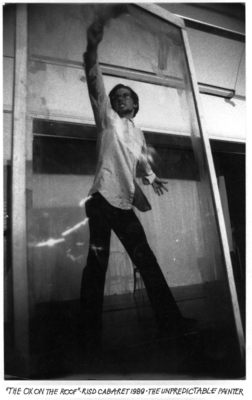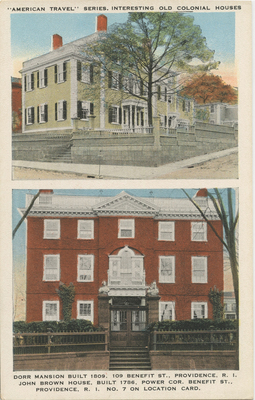
On was an interdisciplinary graduate periodical established by RISD graduate students in 2006. It featured essays and student work that related to a general issue theme. On was intended as a quarterly publication, but it is unclear if further issues beyond the first were ever published.
-
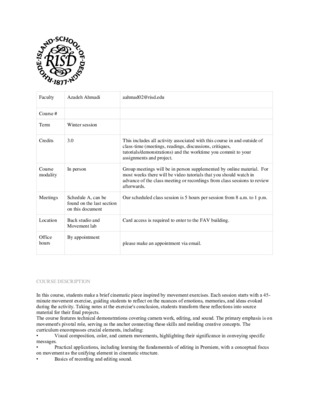
Motion Capture for Orature | Wintersession 2024 Syllabus
Melisa Achoko Allela and Movement Lab
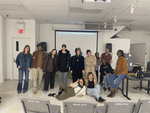
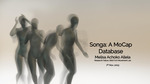
This winter session course invites students to explore motion capture through the lens of traditional oral storytelling practices. Students will actively identify the unique and distinguishing features of orature, and leverage their own cultural backgrounds, personal perspectives, and idiosyncrasies to create motion capture data that can be used in crafting an immersive digital retelling of a folktale.
-
Session 1 | Orature: Setting the Foundation
Melisa Achoko Allela and Movement Lab
Presentation for the Motion Capture and Orature course offered during the 2024 Wintersession.
-
Session 2 | Oral Storytelling Space / Place / Time
Melisa Achoko Allela and Movement Lab
Presentation for the Motion Capture and Orature course offered during the 2024 Wintersession.
-

Session 3 | The Oral Storyteller
Melisa Achoko Allela and Movement Lab
Presentation for the Motion Capture and Orature course offered during the 2024 Wintersession.
-

Session 4 | The Talking Cloth as Prop
Melisa Achoko Allela and Movement Lab
Presentation for the Motion Capture and Orature course offered during the 2024 Wintersession.
-

Session 5 | Oral Storytelling Props and Costume
Melisa Achoko Allela and Movement Lab
Presentation for the Motion Capture and Orature course offered during the 2024 Wintersession.
-
Session 6 | Motion Capture for the Storytelling Performance
Melisa Achoko Allela and Movement Lab
Presentation for the Motion Capture and Orature course offered during the 2024 Wintersession.
-
Session 7 | Audience Role and Interaction
Melisa Achoko Allela and Movement Lab
Presentation for the Motion Capture and Orature course offered during the 2024 Wintersession.
-
Session 8 | Non-Verbal Storytelling: Facial Expressions
Melisa Achoko Allela and Movement Lab
Presentation for the Motion Capture and Orature course offered during the 2024 Wintersession.
-
Session 9 | Digital Immersion & Presence in Oral Storytelling: Being There
Melisa Achoko Allela and Movement Lab
Presentation for the Motion Capture and Orature course offered during the 2024 Wintersession.
-
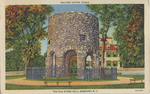
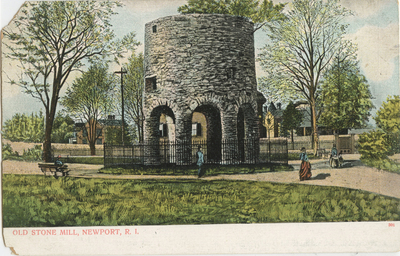
Ancient Viking Tower, Old Stone Mill, Newport
American Art Post Card Co., Boston, MA: publisher; Visual + Material Resources; and Fleet Library
-
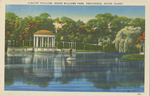
Concert Pavillion, Roger Williams Park, Providence, RI
American Art Post Card Co., Boston, MA: publisher; Visual + Material Resources; and Fleet Library
-
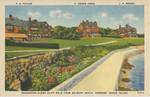
Residences along the Cliff Walk from Belmont Beach, Newport
American Art Post Card Co., Boston, MA: publisher; Visual + Material Resources; and Fleet Library
-
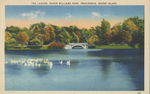
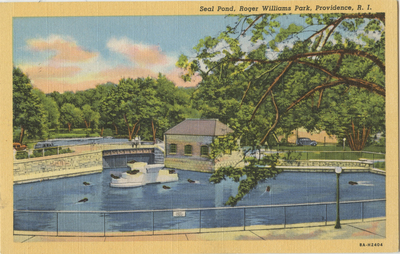
The Lagoon, Roger Williams Park, Providence, Rhode Island
American Art Post Card Co., Boston, MA: publisher; Visual + Material Resources; and Fleet Library
-
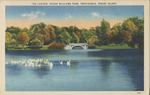
The Lagoon, Roger Williams Park, Providence, RI
American Art Post Card Co., Boston, MA: publisher; Visual + Material Resources; and Fleet Library
-

Detroit Jazz Geographies: Marronage and Speculative Urban Futures
Denzel Amoah
The Detroit Jazz Clubs of the 1920s-1960s existed as an emblem of marronage, or as an escape from a colonial world, becoming a spot of refuge and freedom for Blacks living in Detroit. There they were able to create a subculture that was antagonistic to hegemonic norms.
Currently, Detroit is on the precipice of a new development plan, titled ‘Detroit Future City” which aims to revitalize the city through the bolstering of industrialization and commerce. The history of Detroit has shown the dangers of what industrialization can do and alternative modes of development should be explored.
To honor the legacy of these jazz clubs and being conscious of what occurred in Detroit, my thesis seeks to explore how marronage offers a framework for how these spaces can be maintained in the future outside of hegemonic notions of development and placemaking through speculative design.
-
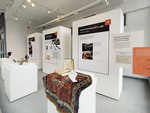
Faculty Fellow Eric Anderson
Eric Anderson, Theory and History of Art and Design Department, Rhode Island School of Design RISD Color Lab, and Ruchika Nambiar
Starting with the question What is a Color Lab?, Color Lab Faculty Fellowship recipient Eric Anderson proposes an interdisciplinary historical study of facilities and techniques for exploring color in design. The RISD Color Lab occupies a lineage of institutional spaces in which scientists, designers, makers, and theorists have carried out technical experiments, creative work, and scholarly research aimed at producing knowledge about color. Through this project, Anderson situates the Color Lab historically to consider the possibilities and limits of color research for design.
-
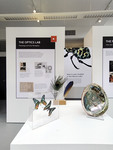
Faculty Fellow Eric Anderson
Eric Anderson, Theory and History of Art and Design Department, Rhode Island School of Design RISD Color Lab, and Ruchika Nambiar
Starting with the question What is a Color Lab?, Color Lab Faculty Fellowship recipient Eric Anderson proposes an interdisciplinary historical study of facilities and techniques for exploring color in design. The RISD Color Lab occupies a lineage of institutional spaces in which scientists, designers, makers, and theorists have carried out technical experiments, creative work, and scholarly research aimed at producing knowledge about color. Through this project, Anderson situates the Color Lab historically to consider the possibilities and limits of color research for design.
-
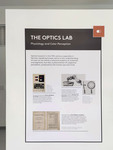
Faculty Fellow Eric Anderson
Eric Anderson, Theory and History of Art and Design Department, Rhode Island School of Design RISD Color Lab, and Ruchika Nambiar
Starting with the question What is a Color Lab?, Color Lab Faculty Fellowship recipient Eric Anderson proposes an interdisciplinary historical study of facilities and techniques for exploring color in design. The RISD Color Lab occupies a lineage of institutional spaces in which scientists, designers, makers, and theorists have carried out technical experiments, creative work, and scholarly research aimed at producing knowledge about color. Through this project, Anderson situates the Color Lab historically to consider the possibilities and limits of color research for design.
-
Faculty Fellow Eric Anderson
Eric Anderson, Theory and History of Art and Design Department, Rhode Island School of Design RISD Color Lab, and Ruchika Nambiar
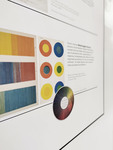
Starting with the question What is a Color Lab?, Color Lab Faculty Fellowship recipient Eric Anderson proposes an interdisciplinary historical study of facilities and techniques for exploring color in design. The RISD Color Lab occupies a lineage of institutional spaces in which scientists, designers, makers, and theorists have carried out technical experiments, creative work, and scholarly research aimed at producing knowledge about color. Through this project, Anderson situates the Color Lab historically to consider the possibilities and limits of color research for design.
-
Faculty Fellow Eric Anderson
Eric Anderson, Theory and History of Art and Design Department, Rhode Island School of Design RISD Color Lab, and Ruchika Nambiar
Starting with the question What is a Color Lab?, Color Lab Faculty Fellowship recipient Eric Anderson proposes an interdisciplinary historical study of facilities and techniques for exploring color in design. The RISD Color Lab occupies a lineage of institutional spaces in which scientists, designers, makers, and theorists have carried out technical experiments, creative work, and scholarly research aimed at producing knowledge about color. Through this project, Anderson situates the Color Lab historically to consider the possibilities and limits of color research for design.
-
Faculty Fellow Eric Anderson
Eric Anderson, Theory and History of Art and Design Department, Rhode Island School of Design RISD Color Lab, and Ruchika Nambiar
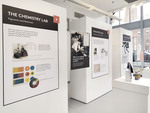
Starting with the question What is a Color Lab?, Color Lab Faculty Fellowship recipient Eric Anderson proposes an interdisciplinary historical study of facilities and techniques for exploring color in design. The RISD Color Lab occupies a lineage of institutional spaces in which scientists, designers, makers, and theorists have carried out technical experiments, creative work, and scholarly research aimed at producing knowledge about color. Through this project, Anderson situates the Color Lab historically to consider the possibilities and limits of color research for design.
-
Faculty Fellow Eric Anderson
Eric Anderson, Theory and History of Art and Design Department, Rhode Island School of Design RISD Color Lab, and Ruchika Nambiar
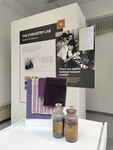
Starting with the question What is a Color Lab?, Color Lab Faculty Fellowship recipient Eric Anderson proposes an interdisciplinary historical study of facilities and techniques for exploring color in design. The RISD Color Lab occupies a lineage of institutional spaces in which scientists, designers, makers, and theorists have carried out technical experiments, creative work, and scholarly research aimed at producing knowledge about color. Through this project, Anderson situates the Color Lab historically to consider the possibilities and limits of color research for design.