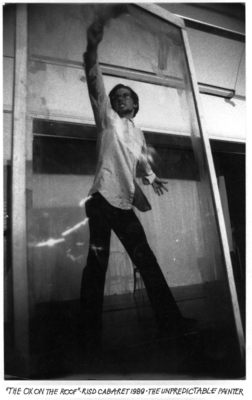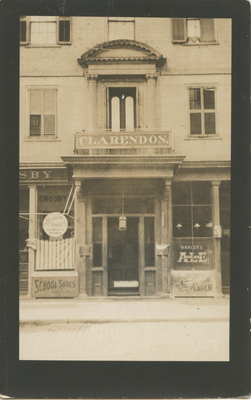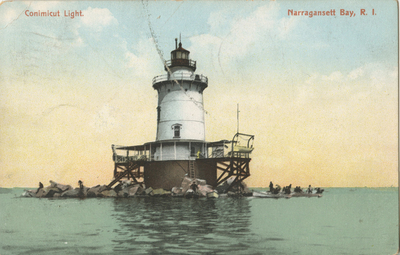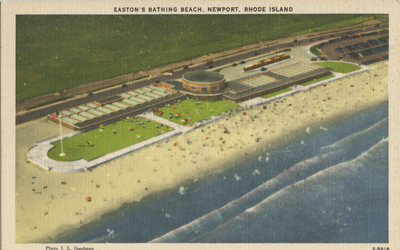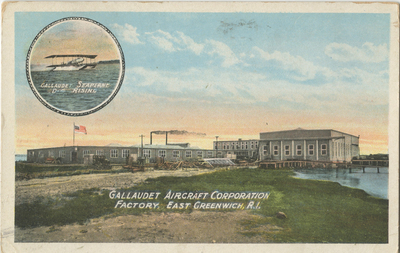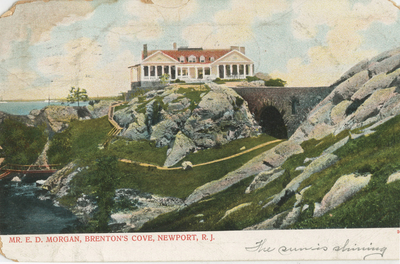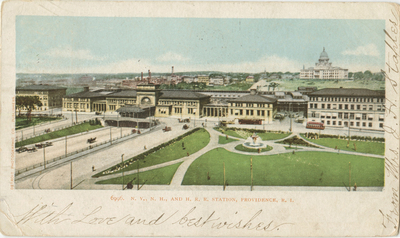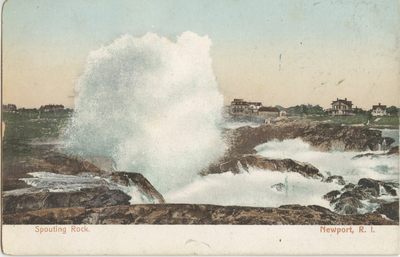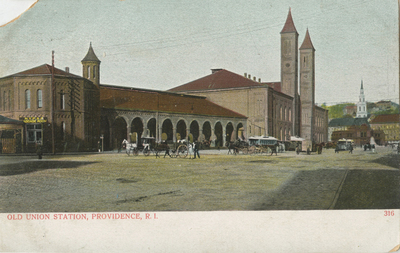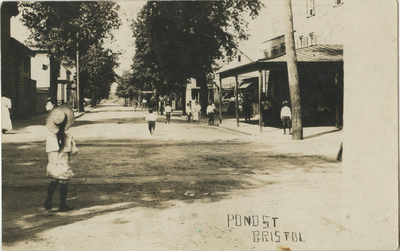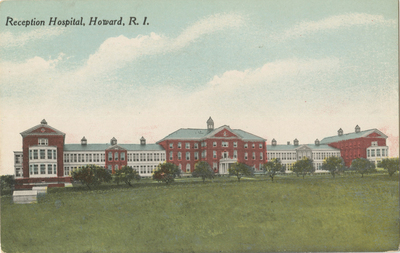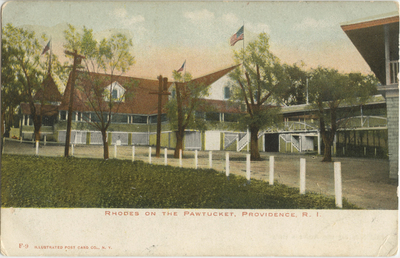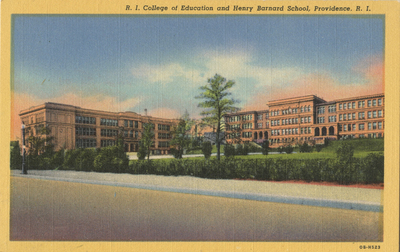
On was an interdisciplinary graduate periodical established by RISD graduate students in 2006. It featured essays and student work that related to a general issue theme. On was intended as a quarterly publication, but it is unclear if further issues beyond the first were ever published.
-
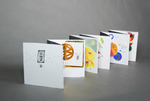
When Astronomy Grew Ears
Stephanie Winarto, Fleet Library, and Special Collections
1st PURCHASE PRIZE WINNER $500
-
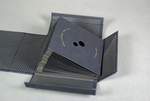
When Astronomy Grew Ears
Stephanie Winarto, Fleet Library, and Special Collections
Undergraduate student, year of graduation: 2019. Major: Graphic Design. Class: Foundations Design. Faculty: Judy Maloney.
-
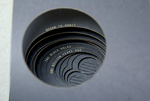
When Astronomy Grew Ears
Stephanie Winarto, Fleet Library, and Special Collections
Undergraduate student, year of graduation: 2019. Major: Graphic Design. Class: Foundations Design. Faculty: Judy Maloney.
-
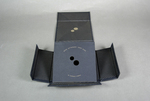
When Astronomy Grew Ears
Stephanie Winarto, Fleet Library, and Special Collections
Undergraduate student, year of graduation: 2019. Major: Graphic Design. Class: Foundations Design. Faculty: Judy Maloney.
-
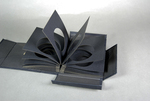
When Astronomy Grew Ears
Stephanie Winarto, Fleet Library, and Special Collections
Undergraduate student, year of graduation: 2019. Major: Graphic Design. Class: Foundations Design. Faculty: Judy Maloney.
-

When Astronomy Grew Ears
Stephanie Winarto, Fleet Library, and Special Collections
Undergraduate student, year of graduation: 2019. Major: Graphic Design. Class: Foundations Design. Faculty: Judy Maloney.
-
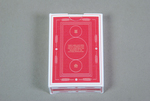
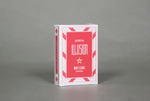
Illusion
Samantha Wong, Fleet Library, and Special Collections
Undergraduate student, year of graduation: 2019. Major: Graphic Design. Class: Design Studio. Faculty: Judy Maloney.
-
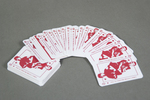
Illusion
Samantha Wong, Fleet Library, and Special Collections
Undergraduate student, year of graduation: 2019. Major: Graphic Design. Class: Design Studio. Faculty: Judy Maloney.
-
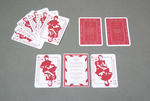
Illusion
Samantha Wong, Fleet Library, and Special Collections
Undergraduate student, year of graduation: 2019. Major: Graphic Design. Class: Design Studio. Faculty: Judy Maloney.
-
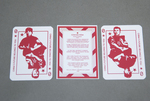
Illusion
Samantha Wong, Fleet Library, and Special Collections
Undergraduate student, year of graduation: 2019. Major: Graphic Design. Class: Design Studio. Faculty: Judy Maloney.
-
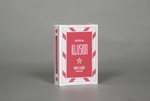
Illusion
Samantha Wong, Fleet Library, and Special Collections
Undergraduate student, year of graduation: 2019. Major: Graphic Design. Class: Design Studio. Faculty: Judy Maloney.
-
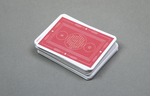
Illusion
Samantha Wong, Fleet Library, and Special Collections
Undergraduate student, year of graduation: 2019. Major: Graphic Design. Class: Design Studio. Faculty: Judy Maloney.
-
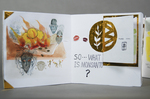
Monsanto
Daimei Wu, Fleet Library, and Special Collections
Undergraduate student, year of graduation: 2020. Major: Illustration. Class: Foundation Design. Faculty: Martie Holmer.
-
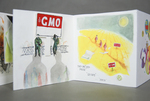
Monsanto
Daimei Wu, Fleet Library, and Special Collections
Undergraduate student, year of graduation: 2020. Major: Illustration. Class: Foundation Design. Faculty: Martie Holmer.
-
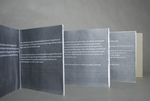
Monsanto
Daimei Wu, Fleet Library, and Special Collections
Undergraduate student, year of graduation: 2020. Major: Illustration. Class: Foundation Design. Faculty: Martie Holmer.
-
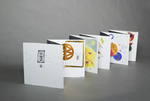
Monsanto
Daimei Wu, Fleet Library, and Special Collections
Undergraduate student, year of graduation: 2020. Major: Illustration. Class: Foundation Design. Faculty: Martie Holmer.
-
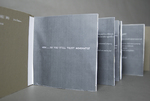
Monsanto
Daimei Wu, Fleet Library, and Special Collections
Undergraduate student, year of graduation: 2020. Major: Illustration. Class: Foundation Design. Faculty: Martie Holmer.
-
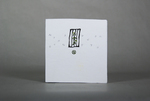
Monsanto
Daimei Wu, Fleet Library, and Special Collections
Undergraduate student, year of graduation: 2020. Major: Illustration. Class: Foundation Design. Faculty: Martie Holmer.
-

Monsanto
Daimei Wu, Fleet Library, and Special Collections
Undergraduate student, year of graduation: 2020. Major: Illustration. Class: Foundation Design. Faculty: Martie Holmer.
-

Curating architectural spaces : a way of architecture production
Cheng Yang
Once I was a painter and a curator in art museum and I find similarities between curating and architecture. I define curating by firstly building relationships between curator’s narrative and objects implicitly or explicitly, and then arrange the sequence of the objects along with narrative. And architecture is an organized spatial system, it is designed according to architect’s narrative about the holistic condition of program, user, site. As an analogy, curator’s narrative is the principle to build relationship and design the sequence, while architect’s narrative is the principle to execute specific action in organizing spaces as part of architecture production process. The idea of curating architectural space is to explore the possibilities of using curating as action to produce space. My thesis explores to bring the philosophy of curating to the methodology of architecture design, diversifying the ways of architecture production. and interpret architecture could be diversified.
-
Obsessed with obsessions: design for obsession
Vara Yang
Taking the notion of obsessions as the starting point for my thesis, I decided to investigate the daily rituals undertaken by a select group of people. I engaged myself in others’ idiosyncrasies, and found myself empathizing with their needs and desires. I found it fascinating how our obsessions vary so considerably. Yet, at the same time, I realized that each of the obsessions I explored was comparable in that the qualities that defined each obsession were essentially the same.
My thesis uses the obsession of Squeegee Girl as an example with which to demonstrate my personal concept of design. For me, designing is focused on individual needs, and a designer takes on the role of a storyteller. These two ideas are at the center of my thesis, and I use them to explore the case studies featured, as well as the design profession at large. Designing for a user’s individual needs is the practice of empathizing with users and treating them as a unique person rather than a general public. I believe that it is a designer’s job is to make our clients feel as though they are being carefully listened to and, ultimately, very satisfied.
Thinking about the designer as storyteller is an idea that I developed during the process of researching case studies. I realized that, depending on what I am designing, and for whom, the narratives around a product are often far more important, and compelling, than the product itself. My thesis makes an argument for this notion. The products became irrelevant the moment I finished my thesis. However, the story behind each object was established at the moment I started investigating the user’s interest in it, and that story became stronger and more enticing as the tangible object was separated from the object’s narrative.
Like the people I interviewed for my project, I am very particular about things, understanding what it is like to become fixated with desiring a certain quality or experience or aesthetic. The clients I am interested to design for are those like me, who value the same properties in an object or are clear about requiring a specific kind of experience. Through my designs, I want to celebrate the feeling of desiring something very strongly. To me, obsessions make our lives happy and fulfilling.