
purchase prizes awarded
Grand Prize - $500
Olivia Stoltzfus, BFA EFS 2023
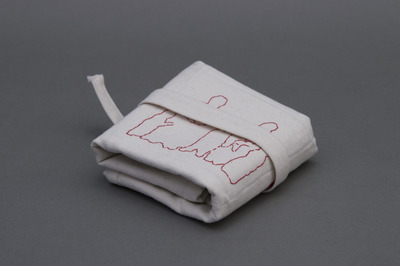
Keep The Family Together
Laurie Whitehill Prize - $375
Stephanie Wu, BFA Illustration 2021
2019: 20-21
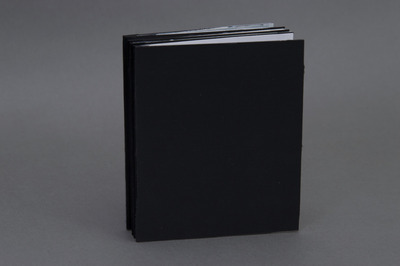
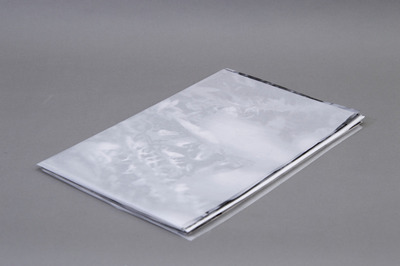
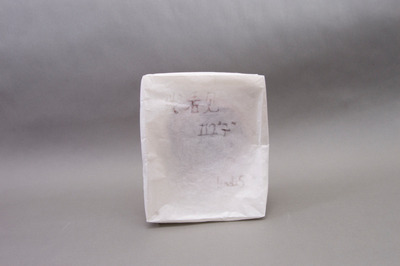
Award for Innovative Materials - $375Yukti Agarwal, BFA EFS 2024Period Note(pads)American Printing History Prize - $375
Marina Kishkovich, CE Graphic Design 2019
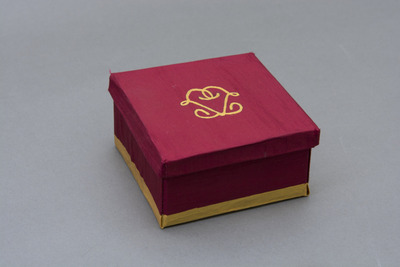
Frankenstein Bicentennial
honorable mentions
$100 awardedYiqun Zhou, BFA Illustration 2020 Read From Last Page, Linidi Shi, MFA Printmaking 2020 I see 112'07", and Yvonne Liang, BFA Printmaking 2021 Oddities Carousel
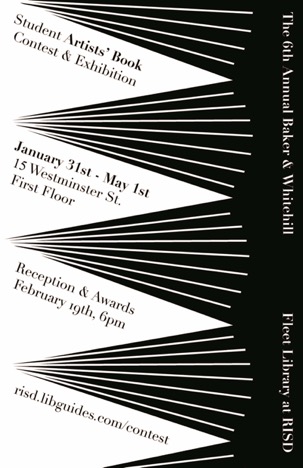
EXHIBITION January 31st - May 1st, 2020, Fleet Library, 1st floor and balcony JUROR We are very happy to announce that May Babcock is this year's juror. May Babcock is an interdisciplinary artist based in Providence, Rhode Island. Her studio techniques combine hand papermaking, printmaking, sculpture, historical photography process, and book-arts techniques, creating artwork that addresses place. She teaches and exhibits widely, blogs about papermaking at www.paperslurry.com, serves on the Board of Directors for Hand Papermaking Magazine, and is piloting Pawtucket Paper Center, a community papermaking studio.
-
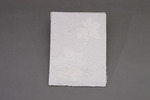
Ephemerals
Julia Abbott, Special Collections, and Fleet Library
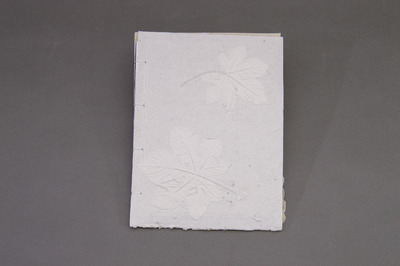
Taking inspiration from Roland Barthes' quote, “For me the noise of Time is not sad...cameras, in short, were clocks for seeing, and perhaps in me someone very old still hears in the photographic mechanism the living sound of the wood”. My photographic book links time and nature.
-
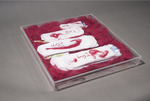
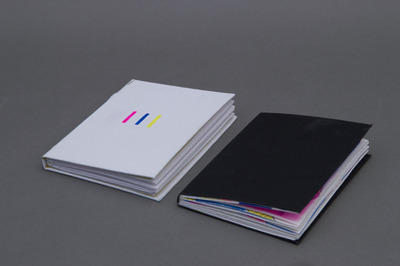
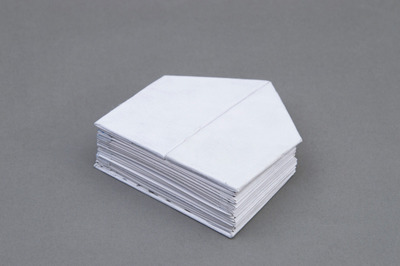
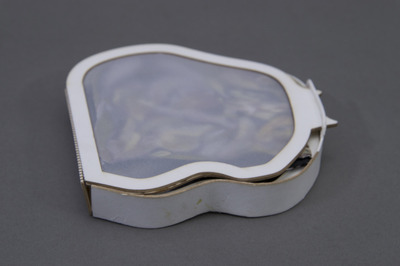
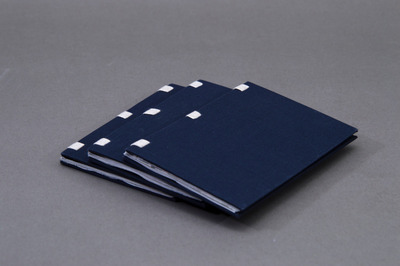
Period Note(pads)
Yukti Agarwal, Special Collections, and Fleet Library
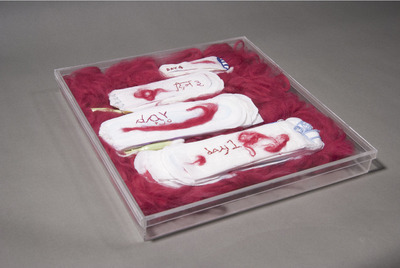
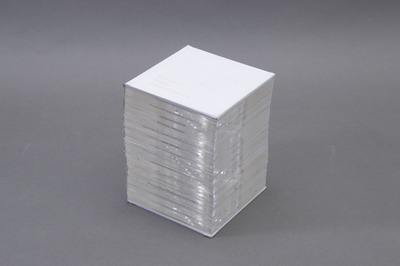
This series of 4 books, or pads, have been made out of real sanitary napkins. Each book is a representation of each day of a regular menstrual cycle, outlining the emotions, feelings and blood flow that is typically experienced as a result of hormonal changes in a woman. My inspiration for creating such a book arose from my compulsive need to express the agony I felt on my first day of my period last week! I decided to create a book with a rather unconventional media in place of paper: sanitary napkins! Each book is typified with the emotions I felt on each day of my period. Thus, through my 4 day period I recorded my feelings in each book. Congruent to my emotions and feelings, the books have characteristics of my persona on each day:
Day 1: - the content has a tone of angst and agony - the font is illegible and irregular, which is typical of my tone and mood on my first day - the use of excessive yarn is symbolic of the heavy flow - the size of the pads used are the largest too - the number of pads used are the most as well! Day 2: - the tone is one of depression, the feelings of having given up and succumbing - the font is slightly more legible that the font used int he previous book to symbolize a shift of mood and a decrease in the pain quotient - the use of less yarn is symbolic of a lighter flow - the size of the pads used decrease as well - the number of pads decrease too Day 3: - the tone is almost rebellious, annoyed and confessional - the font is cursive and seems like a font used in a personal journal, as the content is mostly confessional statements which I wouldn’t normally be too vocal about. The use of the Devanagari font (Hindi) is also an indicator to show that these are the sort of confessions I would never be vocal about in India especially. - the use of lesser yarn is symbolic of a still lighter flow - the size of the pads used decrease as well - the number of pads decrease too Day 4: - the content has a tone of relief and satisfaction as I can finally continue life without the omniscient feeling of being bothered by my period! It was also the happiness of having the liberty to wear white pants on the weekend without the concerns of embarrassing myself! - the font is as legible as it gets since the pain is the least on the fourth day - the use of minimal yarn is symbolic of a slight spotting which is all that remains - the size of the pads used decreases considerably to a pantyliner The books also include a tampon bookmark which decreases with size as the days go by. The transparent box is a parody on the manner in which pads are often hidden and sold in many countries. I have used this transparent material as a social commentary on this convention.
-
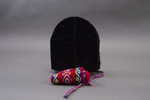
Urpillay
Clove Alvarado, Special Collections, and Fleet Library
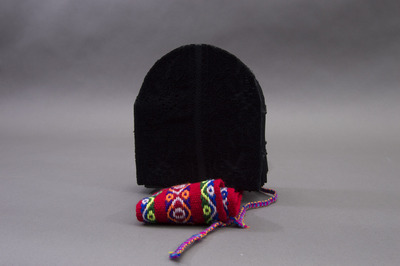
This collection is focused on the figurative death of my own culture, and on how much I have lost over time. It includes a curated selection of poems, elegies and other pieces of writings that encompass the feeling of loss.
-
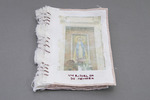
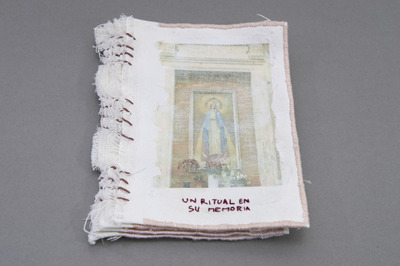
Entre ritual y manifiesto: pienso en ellas | Between ritual and manifesto: I think of them
Julieta Beltran Lazo, Special Collections, and Fleet Library
Using the structure of a traditional Rosary, this book contains a pseudo-prayer I wrote in honour and remembrance of the victims of feminicide in Mexico. By re-framing these prayers through a feminist lens my work intends to create a space where we can talk critically about this gendered violence, and build rituals for healing.
-
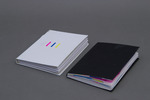
El Gran Varón | The Great Man
Ashley Castaneda, Special Collections, and Fleet Library
Based on the 1980’s salsa song El Gran Varón by Willie Colon, this book follows the narrative of Simon and their struggles in the Latinx community concerning LGBTQ+ issues. Illustrated to follow personal struggles akin to Simon’s, the book is a collection of images that displays dysphoria and abuse. This book is part of a larger project exploring sexuality (especially with Latinx bodies) and the colors attributed to sexuality.
-
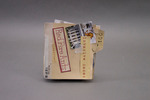
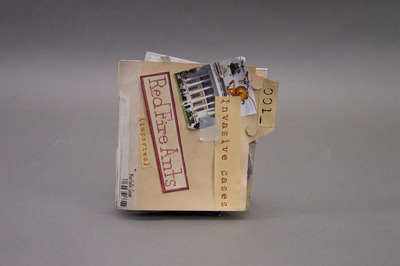
Invasive cases: Red Fire Ants (imported)
Martello Cesar, Special Collections, and Fleet Library
A comedic take on an interesting issue, showcasing the invasive species, red fire ants, as a threat we never knew we had.
-
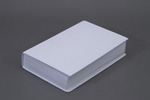
10,000
Aki Charland, Special Collections, and Fleet Library
This artists' book discusses the protection of radioactive contents stored at the Waste Isolation Pilot Plant (WIPP) from human intrusion over a minimum of ten thousand years, the duration that the waste remains highly harmful to life.
-
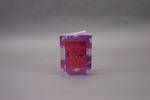
Marching Into the New Era
Xiaoyang Cheng, Special Collections, and Fleet Library
This book is a tiny yet forbidden space to celebrate the glory, chaos, and bitterness in the People’s Republic of China when her civilians are forging ahead.
-
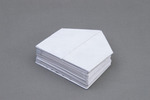
Gap
Jinghong Chen, Special Collections, and Fleet Library
This book aims to convey the miscommunication between local villagers and the doctors during the 2014 West African Ebola outbreaks.
-
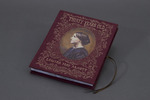
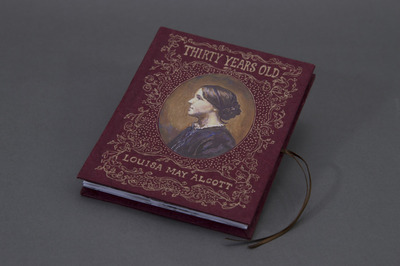
Thirty Years Old
Shuyan Chen, Special Collections, and Fleet Library
This book shines a light on Louisa May Alcott's experience as a war nurse, hoping to redefine the image of this famous writer and provide a glimpse into the Civil War era through the narratives of Alcott’s journal entries.
-
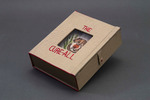
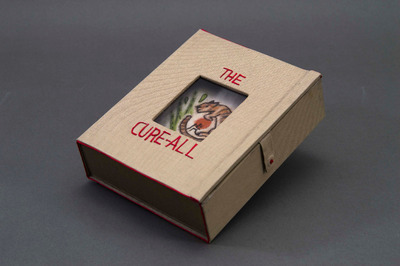
The Cure-all
Sichen (Grace) Chen, Special Collections, and Fleet Library
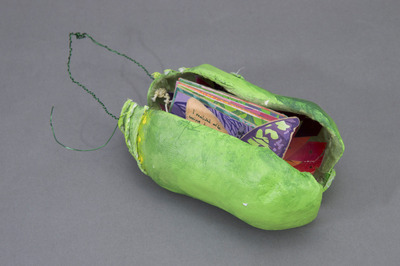
For Visual Thinking I, each student was handed a written description of a personal item from another person in the class. The object I received and proceeded to illustrate was Tiger Balm. Through a mixed-media approach, I created a capsule of memories woven together with the scent of Tiger Balm and motif of a unifying orange circle.
-
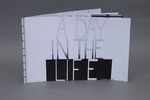
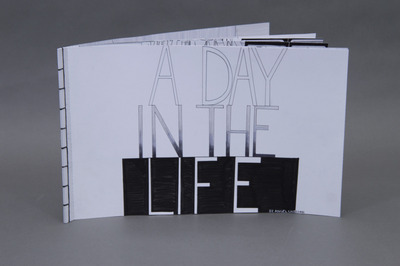
A Day In The Life
Angel Cherman, Special Collections, and Fleet Library
Making this comic book I was trying to address the still present ignorance toward people of color in institutions like high school, college, and the work place. All of these instances addressed in the comic has personally happened to me, but I decided to show them through a broader array of age groups in a family. I just wanted to address the fact that people should be conscious of their words.
-
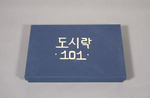
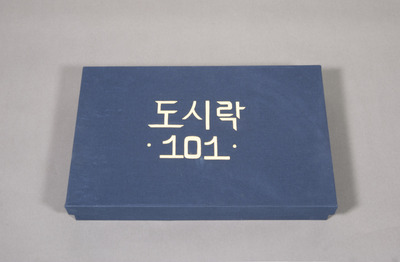
도시락 101
Sumin Chung, Special Collections, and Fleet Library
Because I love Korean food, I wanted to make something that would share my experience with it. I included directions to make 5 traditional Korean foods in small books so it can be easily approached and interacted with.
-
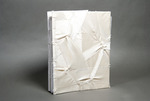
Soft Peel
Sedona Cohen, Special Collections, and Fleet Library
This book is a synthesis of my experience exploring the ebb and flow of spirituality versus physicality. During my time in Darkroom Photo Wintersession class, the darkroom became my sanctuary. When I walk into the darkroom and temporarily leave the world behind, at first I am blinded by the darkness of my unadjusted eyes, and then greeted by the dark, warm glow of the red light and the swell of familiar scents of chemicals. This space is intimate, lending intimacy to the development of the project. Many of the photos in my book appear to have a religious quality, with dramatic lighting and soft fabrics. My intention was to create a separate world where the figures in these images exist, without any identifiable symbols tying them into our current reality. Peeling back the pages is a meditative break.
-
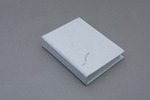
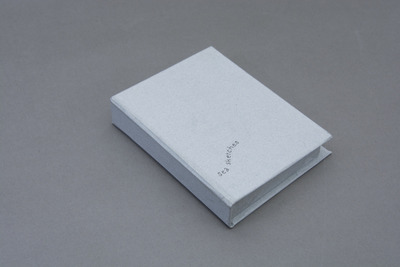
Sea Sketches
Aimee Deng, Special Collections, and Fleet Library
In 1944, Grace Williams composed Sea Sketches, a suite depicting the many faces of the waters she grew up living near. At the time, she was in London in the midst of World War II and missed home.
-
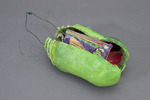
God's Rolling Dice
Denise Evans, Special Collections, and Fleet Library
Pattern is seen throughout both the natural and the artificial world. Such repetition is comforting and predictable, but restrictive - and at times, suffocating. Studying this observable dichotomy is somewhat essential to understanding ones own internal boundaries, and how far we are willing to push ourselves away from what is familiar.
-
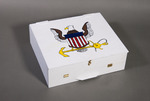
Honor and Service
Brandon Faith, Special Collections, and Fleet Library
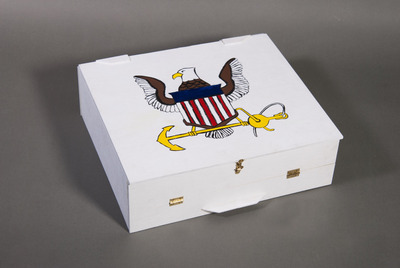
This box highlights a personal connection to the Navy in World War II along with the heroes and hardships of the war. Items from my grandfather are shown to commemorate his service. Richard Halsey Best, a naval hero known for hitting two aircraft carriers in one day, is also displayed. Lastly, cigarette boxes show a harmful commonplace habit that kept soldiers going.
-
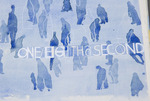
One-Eighth of a Second
Yijia Fan, Special Collections, and Fleet Library
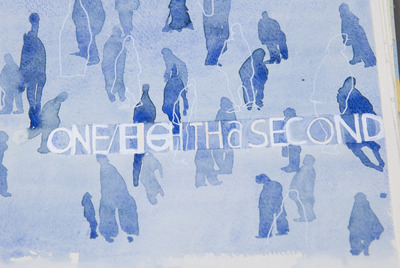
This is a book compiled of images that represent my passage in the very first month in Providence. I tried to recreate the scenes and sounds I see and hear on a daily basis and show the presence of myself and my peers in this new environment. The title of the book refers to the slow shutter speed of a camera, which allows the image to capture the passing of time. The book had a similar purpose of showing the traces of our lives in terms of the way it unfolds and the specific things chosen to be drawn.
-
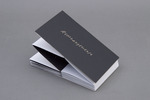
Rearrangements
Zora Gamberg, Special Collections, and Fleet Library
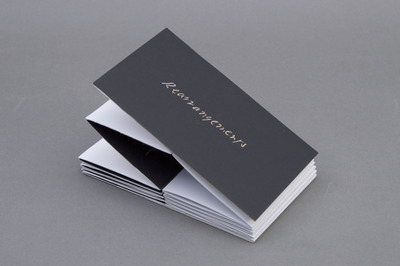
The duality of Emily Dickinson: our misconceptions of the poet as a reclusive spinster as opposed to her vibrant and passionate reality.
-
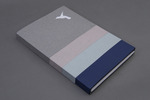
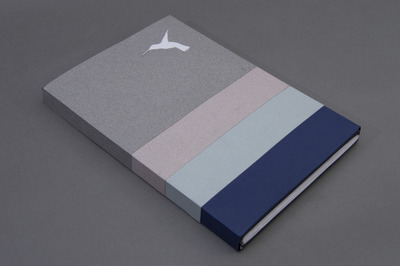
Mi Pequeño Colibrí
Boris Gramajo, Special Collections, and Fleet Library
Illustrations of an original poem, in my mother's language, inspired by my father's words to me when I was young: "Mi Pequeño Colibrí" (My little hummingbird).
-
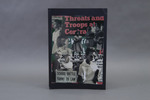
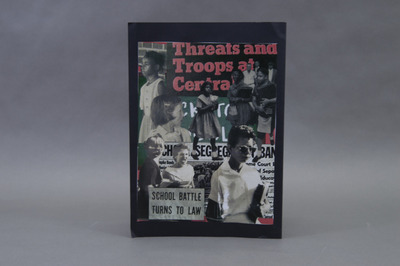
The Life of Black Women Past
Ziare Greene, Special Collections, and Fleet Library
This piece address different aspects of black women's lives during the civil rights era compared to now, expressing that even though a lot of time has passed we still deal with the same issues today.
-
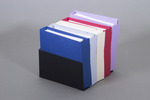
Mementos
Megan Holzrichter, Special Collections, and Fleet Library
The book focuses on the topic regarding childhood toys and trinkets and what memories they contain. I interviewed five classmates, first asking them first to identify their toy/trinket, then inviting them to talk in detail about the memories that come with them. I chose to pursue the topic of crucial childhood toys and memories, as I believe that it is a fascinating insight into how a person develops into who they are. It is like examining tree rings and identifying key moments that happened in the past, and that played a significant role in the growth of the tree. This exploration also shines a light on just how fragile and finicky our futures are, as they can change drastically based on a small and seemingly insignificant choice we made in the past.
-
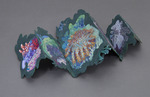
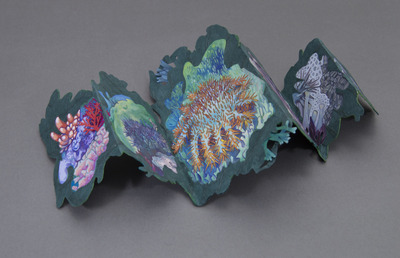
Crown of Thorns
Geneva Huffman, Special Collections, and Fleet Library
This artists' book illustrates the destruction of coral reefs by the Crown of Thorns Starfish. Like many invasive species, the Crown of Thorns Starfish species is difficult to fully remove from an area and can cause even more harm to a fragile environment via the consumption of coral.
-
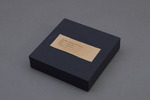
Fleming 1 Planetary Nebula
Emi Hughes, Special Collections, and Fleet Library
Williamina Fleming was a Scottish maid-turned-human computer who sparked a change in the male dominated field of astronomy through her analyzation of stellar spectra at the Harvard Observatory. This book highlights her achievements and draws a parallel between the atypicality of the nebula and of her life. Through the journey from Earth to Fleming 1, the vast distance between them is emphasized through the inclusion of well known astronomical objects along the way, such as Polaris and the Horsehead Nebula.
-
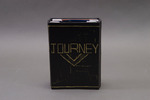
Passport
Angelo Jeon, Special Collections, and Fleet Library
What's the difference between a passport and a novel, when both record the footsteps of one's journey?
-
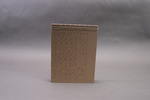
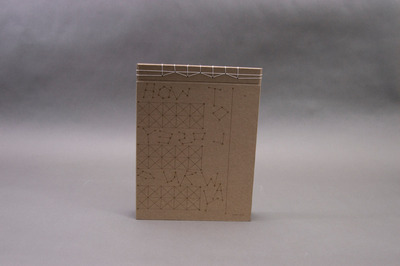
How to Lose Your Way
Naomi Kern, Special Collections, and Fleet Library
This dot-to-dot book is inspired by my grandfather, who has Alzheimer’s disease. It is titled How to Lose Your Way, and the cover layout is a map of my grandparents’ neighborhood. I designed the cover this way because one of the most obvious ways in which my grandfather’s Alzheimer’s manifested itself was in the fact that he could no longer go for walks in the morning without getting lost. On the pages inside, the images formed by the dots are of people and places that my grandfather knew very well— my mother, the office on the second floor of his house, etc.— but as the pages go on, the dots become harder to connect and/or the images harder to recognize. Overall, the book is about connection— in terms of literally connecting the dots, but also in connecting with a loved one with Alzheimer’s through a better understanding of their thought patterns and behaviors.
-
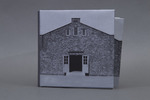
No. 8
Geein Kim, Special Collections, and Fleet Library
To honor eight Korean Independence activists who were imprisoned in Seodaemun prison, female building room no. 8 by the Japanese government. Also to highlight the significance of female activists in the Korean Independence Movement.
-
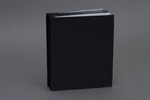
The Moths
Kat Kishinsky, Special Collections, and Fleet Library
Our project was pertaining to invasive species. Using Mary Oliver's poem, "The Moths" I related the invasive Gypsy Moths to intrusive thoughts, correlating the destructive nature of both.
-
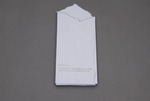
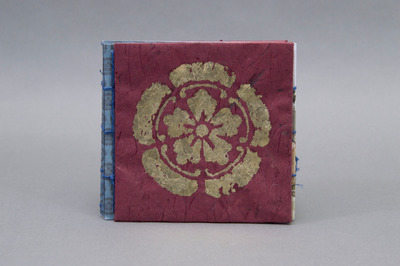
Frankenstein Bicentennial
Marina Kishkovich, Special Collections, and Fleet Library
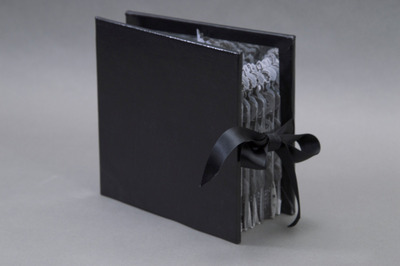
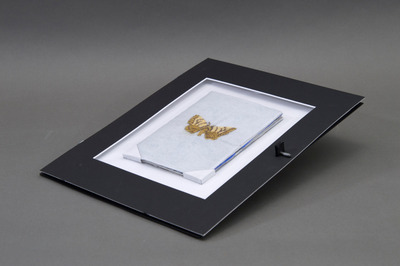
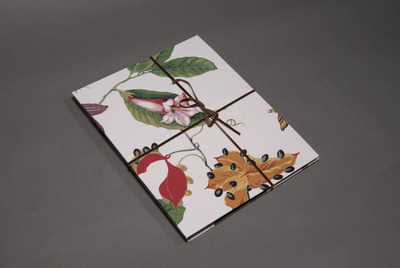
Built around the concept of loneliness, this piece communicates the creature’s social and physical isolation. Using direct quotes from the character, the type-as-image landscape mirrors the lonely mountainous terrain of the book’s pivotal scene. Presented folded accordion-style, the double-height center piece forces the reader to open it flat. The fully open work is eight feet long, giving a sense of perspective both to the creature’s monstrous size and his long and lonely wanderings. The slipcase is made from a vintage cotton paper with wonderful texture, and offers another echo of stone—delicate flecks of refective material glitter like quartz shards embedded in granite. The accordion is laser printed on machine-made mulberry paper. The slipcase is letter-pressed with hand-set type. This mixing of the industrial and artisan, digital and analog, is another reference to the creature that is literally pieced together by his creator.
-
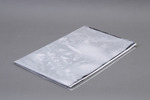
Hedge
Jessina Leonard, Special Collections, and Fleet Library
“…I looked and saw, between him and me, that is to say, on his right and my left, a hedge of such length that I could not see the end of it, either ahead or behind. The top of this hedge was bristling with such large thorns that there seemed no way to get back to [him].” – Gertrude of Helfta, c. 1289 In this vision, the first of many, the twenty-six year old German nun Gertrude of Helfta sees Jesus on the other side of a long hedge, “bristling with such large thorns.” She tries to get through it herself before Jesus lifts and carries her over it. This book is composed of large-format photographs of Euphorbia Mili, a plant more commonly known as Crown of Thorns. Native to Madagascar, this plant was brought to the Middle East in ancient times and legend says it was used to make Jesus’ crown of thorns.
-
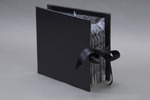
Oddities Carousel
Yvonne Liang, Special Collections, and Fleet Library
A pop up star book with music inserted, an attempt to visualize an oddities-themed carousel. Collaborative music piece by Nora Lin. Visuals are digitally drawn, hand printed and constructed by the artist in the RISD Printmaking department.
-
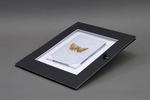
ONLY WEIGHS 1 GRAM
Chencheng Liu, Special Collections, and Fleet Library
A self-made poem about an invasive species: gypsy moth.
-
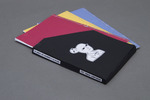
Tri-Annual Neo-Darwinist’s Catalogue
Feiyang Liu, Special Collections, and Fleet Library
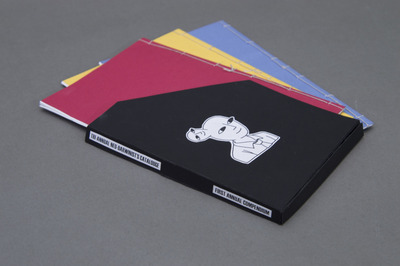
The book is about bio-design—how we humans adapt certain elements of Mother Nature to improve our lives (expect all ideas included are stupid, absurd, impractical, and funny). It has three volumes: Tactics, Devices, and Metamorphosis—each corresponding to one way to combine humanity and nature and comes with 7-8 ideas.
-
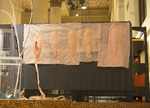
Pockets
Meichen Liu, Special Collections, and Fleet Library
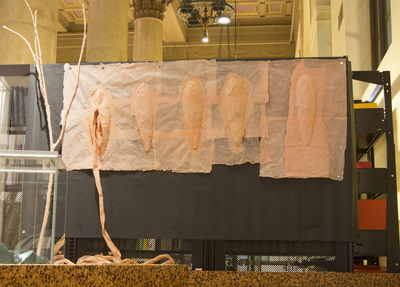
The piece has three parts: five pockets, a intestine, and a wood stick. Each of the pockets contains different body parts. In the fifth pocket there is a zipper, indicating a wound. All the pieces are made by hand-made paper. It is a murder scene, depicting the abstract idea of abnormal murder and darkness (such as in literature or other kinds of art works) without real blood and hurt and death and harm in people's real life. It can be read both as a book and a sculpture. As a book, each pockets function as a chapter or a page, and the whole book is a person's body.
-
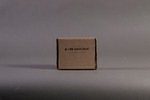
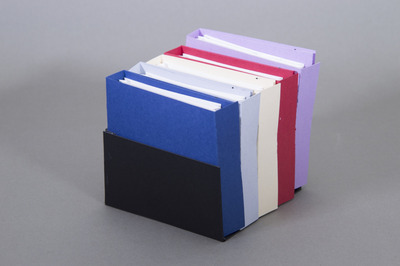
& 100 times that!
Dexter McChesney, Special Collections, and Fleet Library
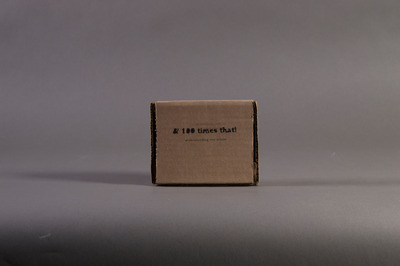
A collection of different booklets showing different ways of visualizing the concept of the billion, hoping to help people understand how large it actually is; and by extension a comment on the power that billionaires have. The kit is designed to be able to be made with very minimal materials and effort, and is made in reference to the ideals of the 'Whole Earth Catalog' and other meta manuals; in fact, the box was actually just a cardboard scrap I found and used.
-
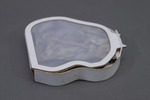
Life Cycle of the Cane Toad
Beth Nguyen, Special Collections, and Fleet Library
The Life Cycle of an invasive species, the Cane Toad.
-
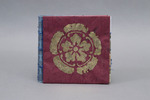
The Adventures of Yasuke: East Africa to Japan
Jessica Okello, Special Collections, and Fleet Library
True Story of an African man's journey from slave ships to becoming a samurai under the Oda clan.
-
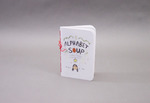
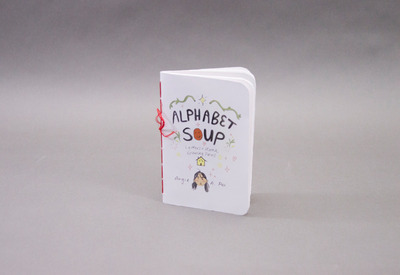
Alphabet Soup
Angelina Pei, Special Collections, and Fleet Library
Alphabet Soup is a reflection on childhood and the bittersweet moments that signify the pains of growing up and constitute nostalgia. I hope to inspire others, with this piece, to reminisce of their own childhood and the small nuances, and open a space that we are able to share our experiences as children.
-
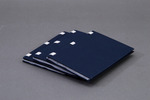
Leaving the Swamp
Jessica Perkins, Special Collections, and Fleet Library
This is a series of three books that investigate the process of learning to love a new home. Using photos from my last two years in South Carolina, I created spreads to accompany a selection of poems that revolve around swamps. The poems describe struggle and love, reflecting how feelings for a new home can change over time. The imagery is deliberately ambiguous, and parts of the photographs are obscured with drawings and textures to open the narrative to other people and places.
-
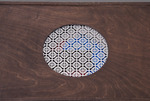
命 (Destiny)
Ruyue Qi, Special Collections, and Fleet Library
What is our destiny? Do we accept it or fight against it? "Fight your fate"--the story about Chinese traditional mythology NEZHA.
-
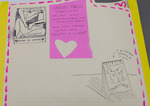
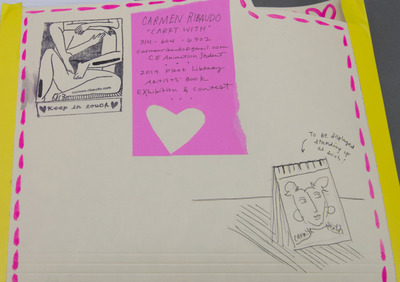
Carry With
Carmen Ribaudo, Special Collections, and Fleet Library
"Carry With" was borne out of a conversation with a long-distance sister-friend. We have long traded zines, which serve as long-form, multi-media diaristic love letters. In one conversation, she told me she'd been having a particularly hard time. Through this time, old zines of mine lived in her backpack. She described being comforted by the ongoing presence of carrying them with her. My sister-friend's zines hold a similar purpose for me. They are homemade publications, scattered between my bedside table and book shelf, which I refer back to more often than dense non-fiction books for self-therapy. Those books by experts also guide me through, but with far less warmth than the photocopied pages of her handwriting. From that conversation, my zines began to take on a new, more focused intention: to distill some of the information and sayings which have acted as tethers of hope when I am spiraling out. Words tied to images can become focus points. My hope is that those who interact with this book might remember a page or two of "Carry With" the next time they are in need of strength, encouragement, patience, or protection.
-
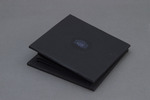
Long-Spined Sea Urchins
William Roth, Special Collections, and Fleet Library
This book details the problems caused by the invasive species of long-spined sea urchins as they encroach on kelp forests.
-
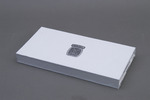
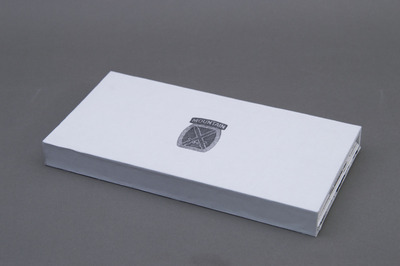
Training the 10th
Jan Rybczynski, Special Collections, and Fleet Library
This book is is meant to show the long and grueling training process that the 10th Mountain Division, the first mountain-based war fare unit in the U.S. Military, went through before they were deployed to fight in Italy during World War II. This books takes the viewer through a series of photos strung together like a long panoramic photo that show the actual men of the 10th mountain division training in 1941-1942 in two different locations.
-
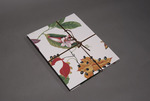
Interior Design Exploration
Deborah Sabo, Special Collections, and Fleet Library
Exploring Interior Design thru analysis of articles, color studies, history and sketches including current trends and collected quotes.
-
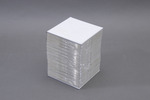
Disregard, Neglect, Acknowledgment
Bartlomiej Saminski, Special Collections, and Fleet Library
This book shines a light on the hardships and struggles that Rosalind Franklin had to face in the scientific field as a woman scientist. Although she wasn't credited for her work at first, she left an everlasting mark on humanity and the future generations of scientists.
-
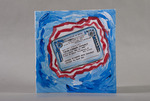
Book No. 2: Birth Right
Sarah Samways, Special Collections, and Fleet Library
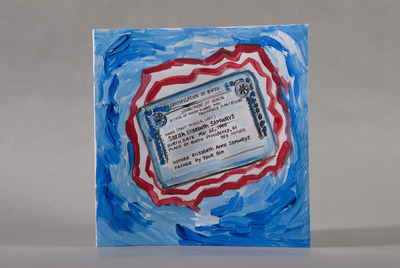
I am a mixed-race American citizen. Earlier this year my father was deported back to Cambodia. In this Trumpian era of politics, I have been confronted with issues of race in ways I haven't necessarily encountered before. This small book embodies some of the confusion, fear, loathing, and memory that surrounded my every day this year.
-
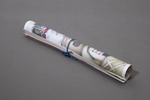
Flatland
Olivia Schroder, Special Collections, and Fleet Library
Flatland is a collection of personal stories regarding the experiences of growing up in middle America--specifically Indiana--and the unique experiences that often go overlooked.
-
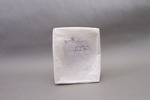
I see 112'07''
Lindi Shi, Special Collections, and Fleet Library
This book is about measuring time with drawing.
-
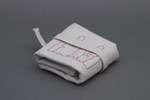
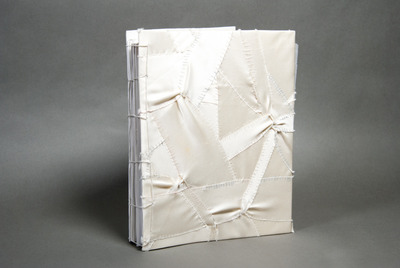
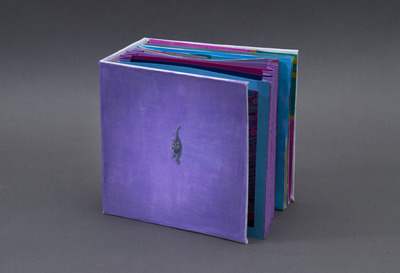
Keep The Family Together
Olivia Stoltzfus, Special Collections, and Fleet Library
This book depicts one of the most dehumanizing and traumatic aspects of chattel slavery: the separation of families through slave sales. The quilt format depicts the fragmented pieces of one's life when torn from their family, as well as the tendency throughout history to attempt to "fix" or hide the difficult and shameful facts of American history through ornate distractions (as shown through the extravagant stitching that binds the separate pieces of fabric).
-
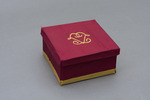
Congo Free State
Mason Tepper, Special Collections, and Fleet Library
From 1885 to 1908, King Leopold II of Belgium claimed the area of the Congo as his own privatized country. In his twenty-three years of rule, Leopold II drained the land of its most significant natural resource, rubber. An estimated 10 million Congolese people died as a result of King Leopold’s brutal working conditions. However, the true extent of terror in the Congo will never be known.
-
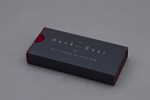
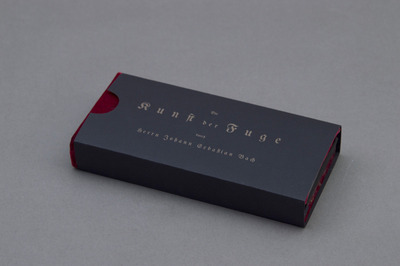
The Art of Fugue
Valerie Victoria, Special Collections, and Fleet Library
The Art of Fugue is the last composition written by JS Bach which consists of 14 variations of one principal subject.
-
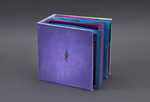
Follow Me
Ziqi Wang, Special Collections, and Fleet Library
This is a biography of a domestic cat who daydreams of escaping from the house, dedicated specially to my two black cats --- Black Beans and Black Sugar.
-
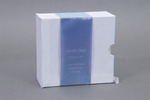
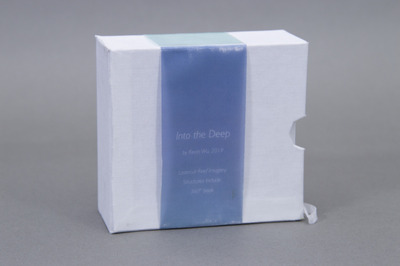
Into the Deep
Kevin Wu, Special Collections, and Fleet Library
“Into the Deep” highlights Jacques Yves Cousteau’s legacy in underwater innovation and coral reef conservation.
-
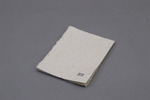
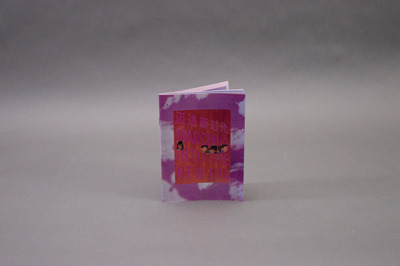
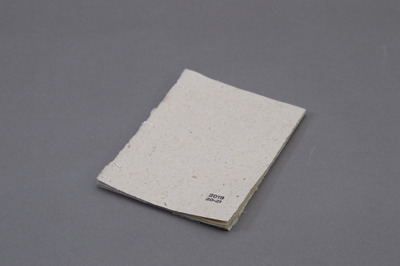
2019: 20-21
Stephanie Wu, Special Collections, and Fleet Library
Dealing with a broken heart, isolation, and feelings of incompetence, I waded into 2019 armed with Spotify playlists as my only defense. 2019 marked a shift in my relationship with music. Songs were played over and over as mantras and tokens of comfort to alleviate my loneliness. Although I have entered 2019 from a dark place, I will be exiting from a year of personal reflection with a new found independence and self-love. This anthology of songs have safeguarded my emotional well-being. Viewing is recommended with the companion playlist but it can also stand alone.
-
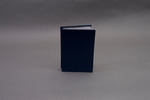
L/Night
Yuan Li Elizabeth Xu, Special Collections, and Fleet Library
How often do we notice light? The waning, shifting, fluid brightness of dusk. Or the sharp, clear, crisp sunlight of noon. Or even the flickering, static, glowing fluorescence of night. Light is so fundamental to our experience of reality and time, and yet it so often passes unnoticed in our daily lives. This book explores both the forms that light creates and the progression of time as revealed in these shifting shapes. The accordion book defies a clear start and end, allowing the viewer to progress through the pages in a single uninterrupted motion similar to our experience of constantly moving time.
-
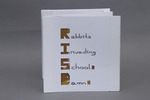
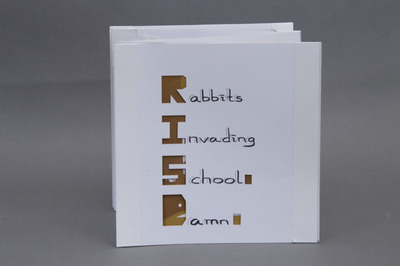
Rabbits Invading School. Damn.
TC Ye, Special Collections, and Fleet Library
A book that shows the scenery of rabbits invading RISD buildings as invasive species, exhibiting both the interior and exterior movement of the buildings.
-
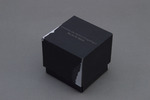
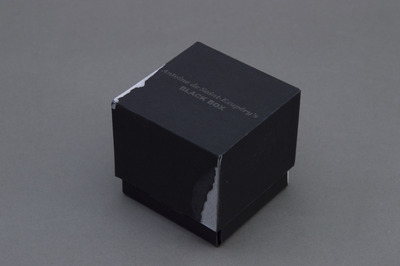
Antoine de Saint-Exupéry’s Black Box
Chuqiao You, Special Collections, and Fleet Library
Plane disappearance.
-
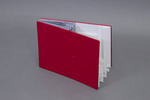
3,190,000 Barrels: The Deepwater Horizon Oil Spill
Jessica Young, Special Collections, and Fleet Library
The Deepwater Horizon Oil Spill killed thousands of marine animals and was caused by mistakes of oversight made by people in power (the US government, safety facilities, the CEO, etc).
-
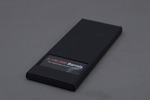
Do You Remember? (Boston's West End)
Madeleine Young, Special Collections, and Fleet Library
In 1960, Boston's West End was bulldozed by the city of Boston with funding from the federal government. The West End was an immigrant neighborhood of 25,000 inhabitants from nearly 20 different ethnic backgrounds. The neighborhood was labeled as a "slum" in the justifications to raze it. Where its residents once lived now stands luxury high-rise apartments. This book acknowledges this legacy and remembers the erasure of the West End through oral histories, photography, and architecture from the old neighborhood.
-
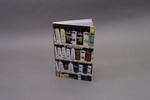
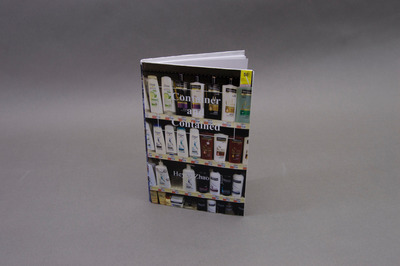
Container and Contained
Heyue Zhao, Special Collections, and Fleet Library
OMG, anything can be a box.
-
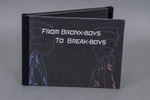
From Bronx-boys to Break-boys
Xiaosheng Zhong, Special Collections, and Fleet Library
As a break-dancer myself, I want to talk about the history of break dancing in the project. The scenes displayed are developed from the movie "Beat Street" in 1984, in which Rock Steady Crew (blue) won the battle against New York City Breakers (red). By combining text from interviews of dancers in the movie in the 21st century, I try to address the context where street dancers grow up in 1970s and 1980s.
-
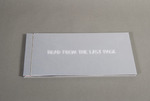
Read From the Last Page
Yiqun Zhou, Special Collections, and Fleet Library
Made for some celebrity. Asked by the celebrity to sell this for money. Went a step further by seeking for validation, in this competition. To perfect my artistry, of not starved by the industry.
-
Unfold: A love poem to Mars
Xu (Susie) Zhu, Special Collections, and Fleet Library
Love does not seem to be a emotion or state or a item for me, it feels more like a distant place, a location so detached from any normal experience in life that ends up with no-one having enough confidence to define it as a location rather than cognizing it as something ambiguous like feelings. But here, it’s tender land. It’s as exotic as the books on the very top of a shelf. Love poem then becomes more like a bridge or map that retains the trace back to that specific spot in time, or, a token, of softness, vagueness, of that dissolving landscape of memory. Like all bedtime stories. This artists' book is a love poem. It’s about unfolding, unraveling, about wearing away of time and recollecting. It’s about all tenderness in love encapsulated and all tenderness about tracing it. I heard the herd marching, spring springing, and I’m trying to reproduce this fragment of that time-scape. It’s not about me, or anyone, it’s about love, this specific love of mine, this piece of land and its soft rhyme murmuring deep inside us me.