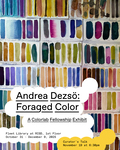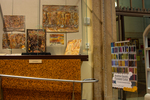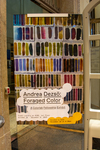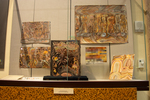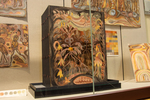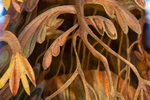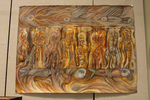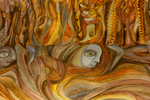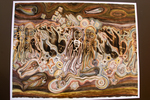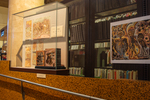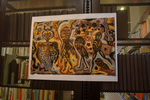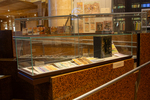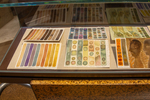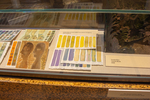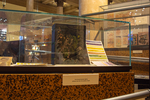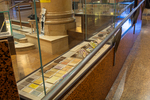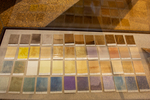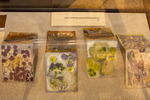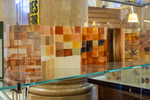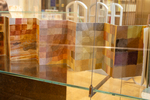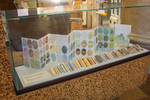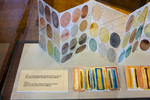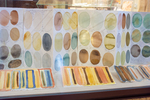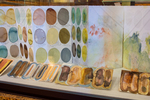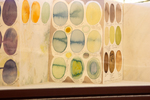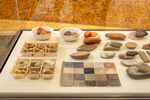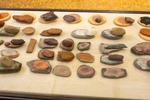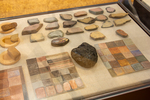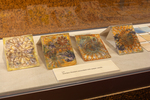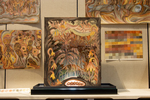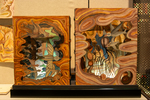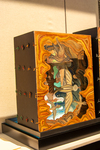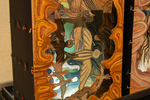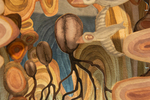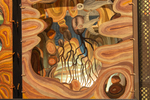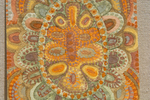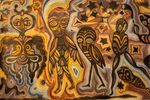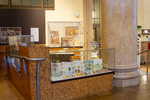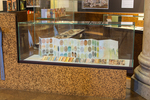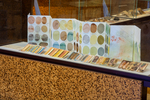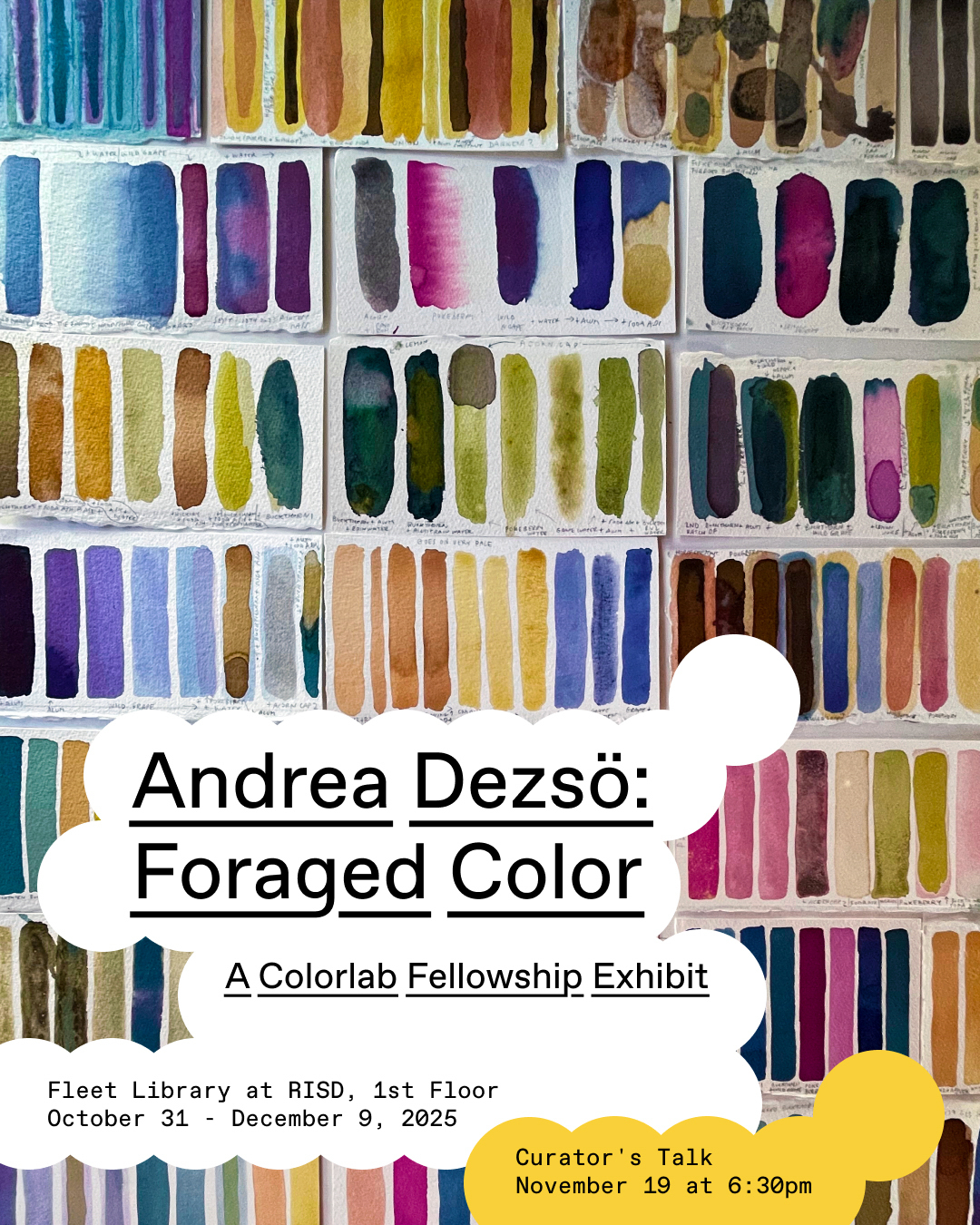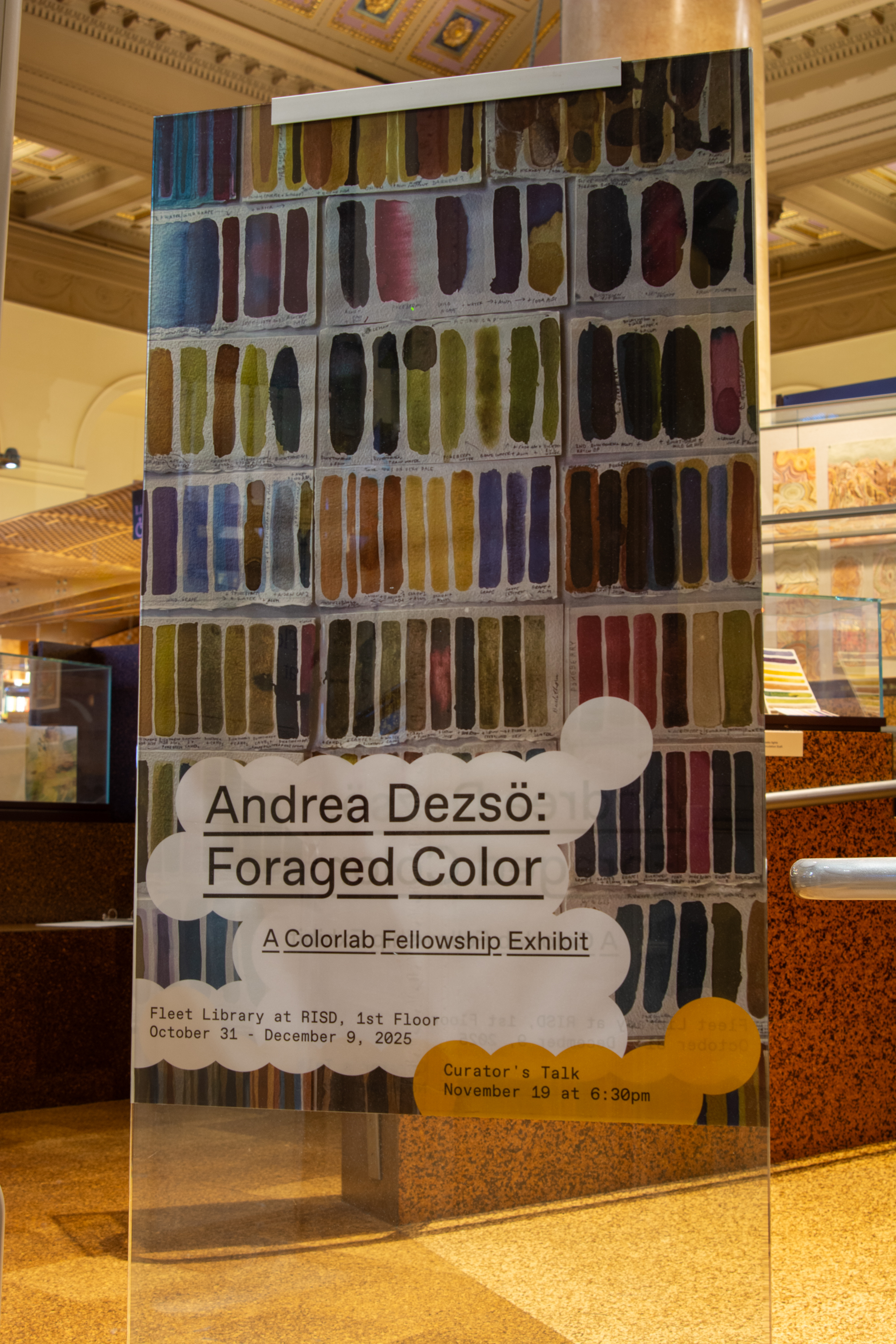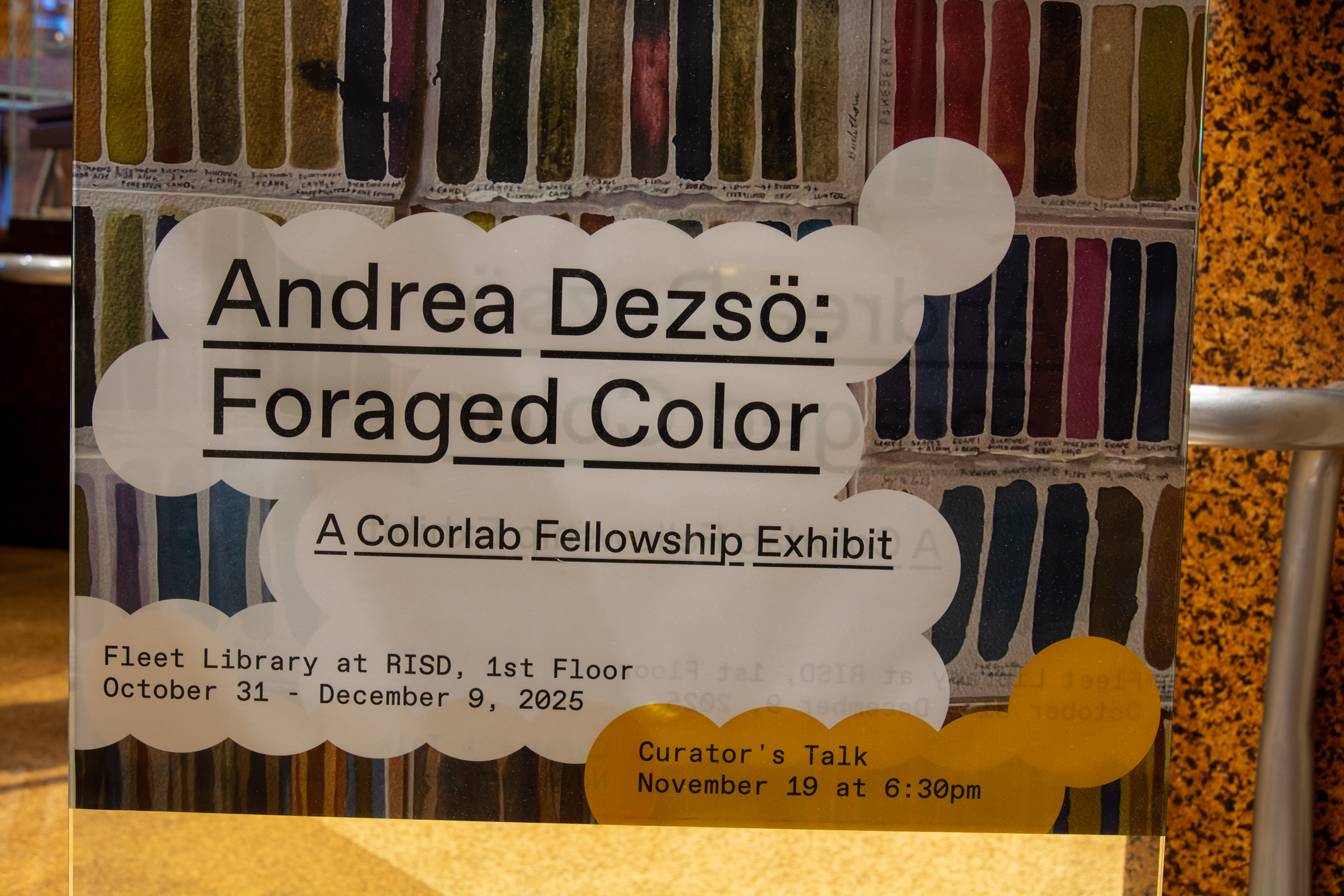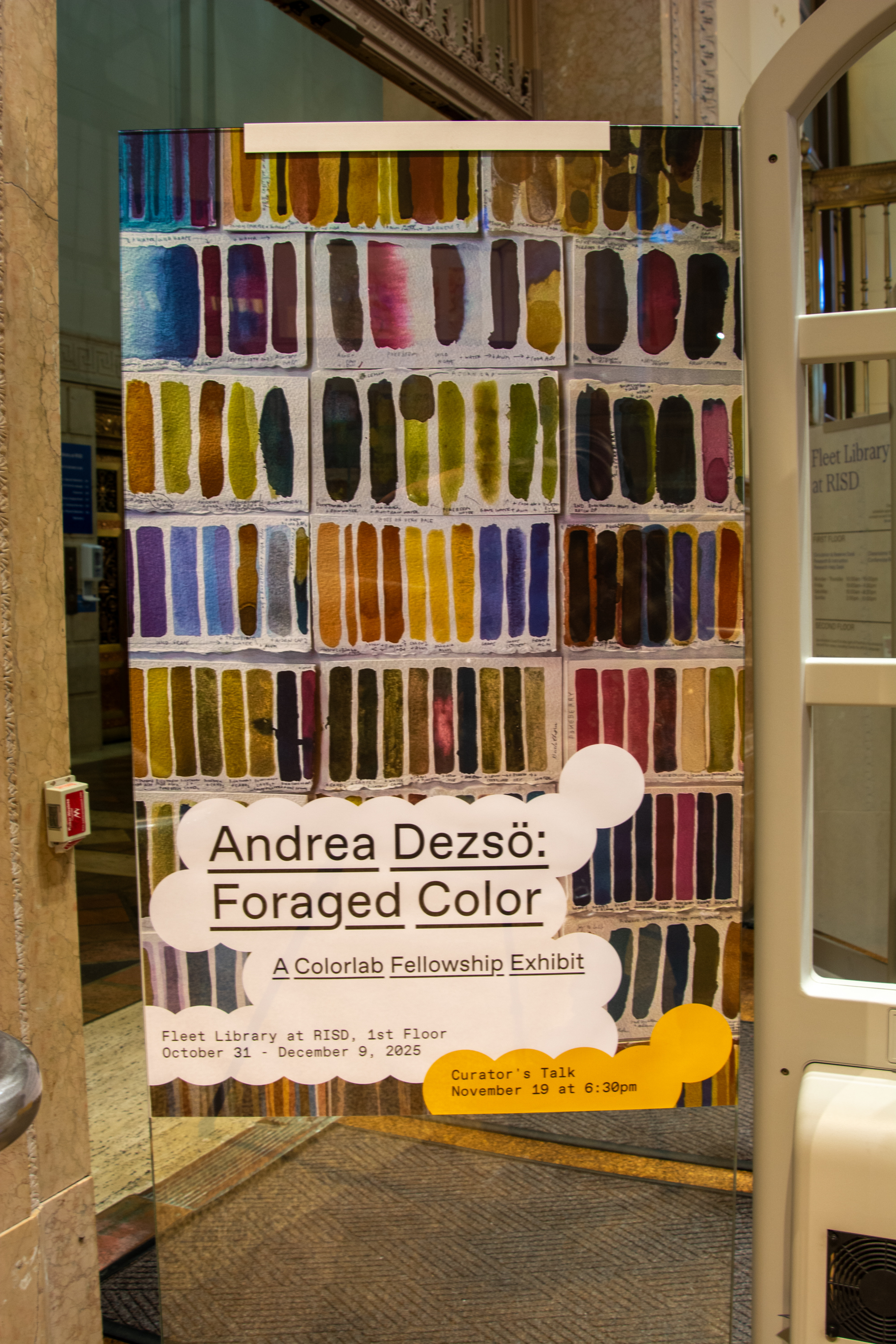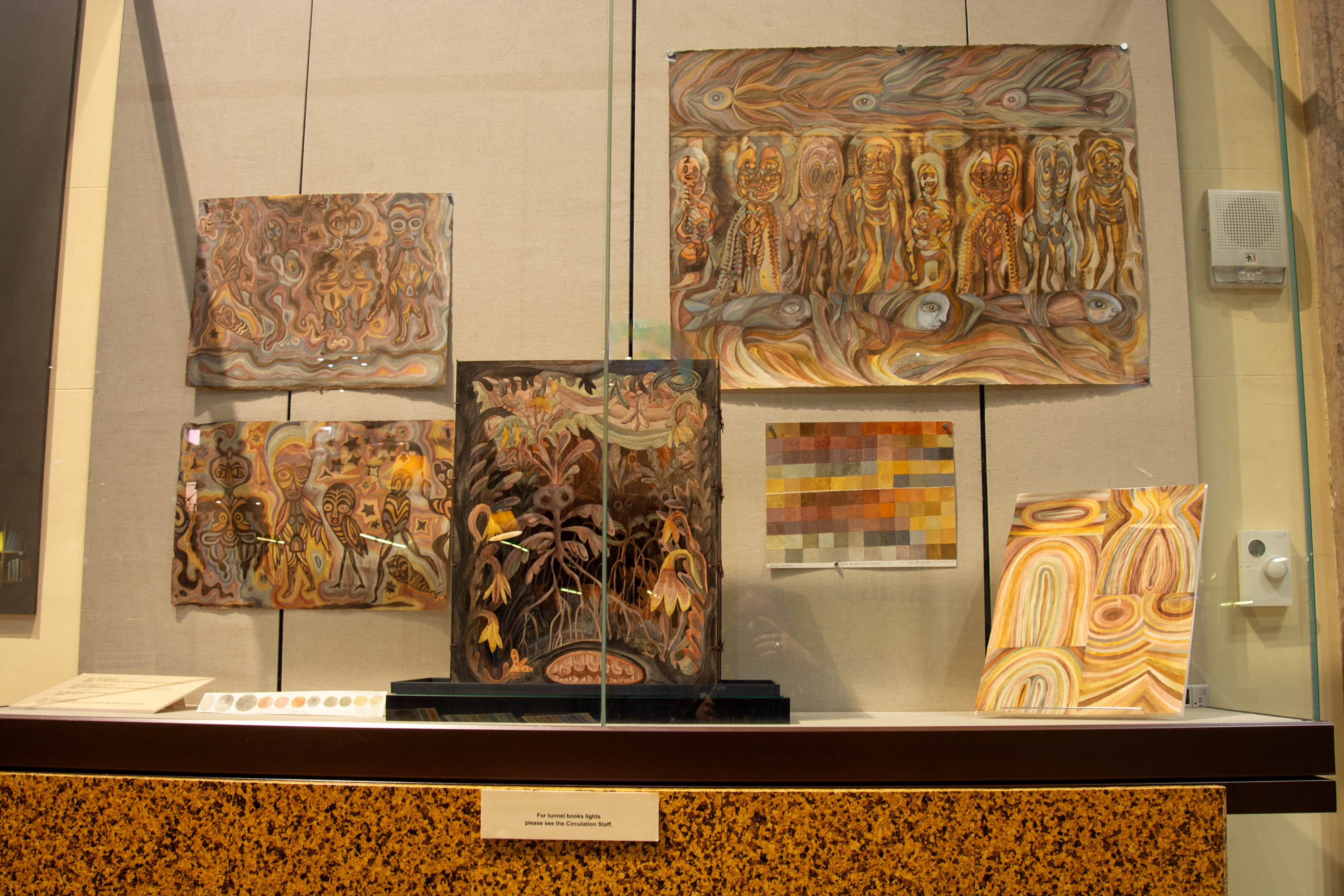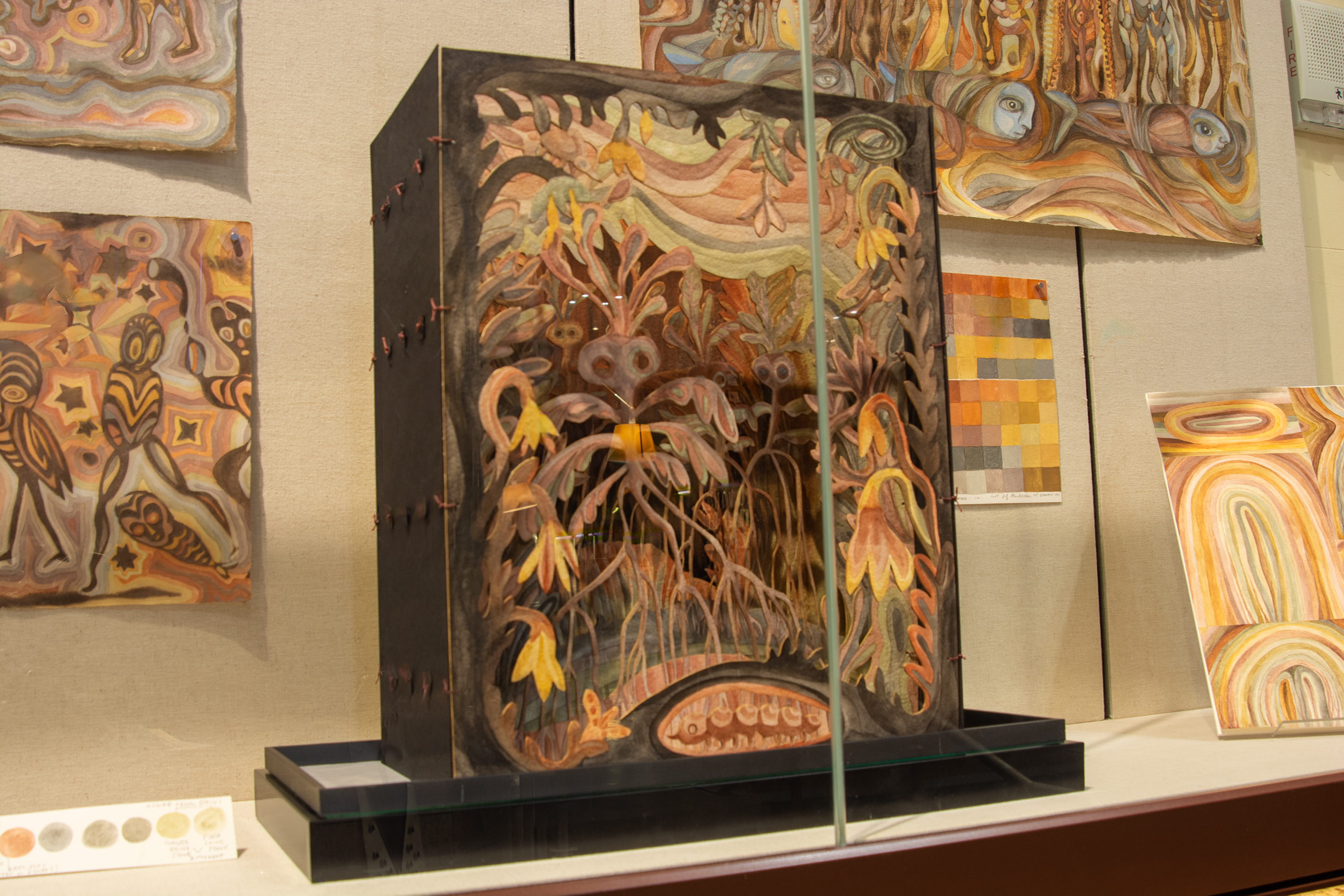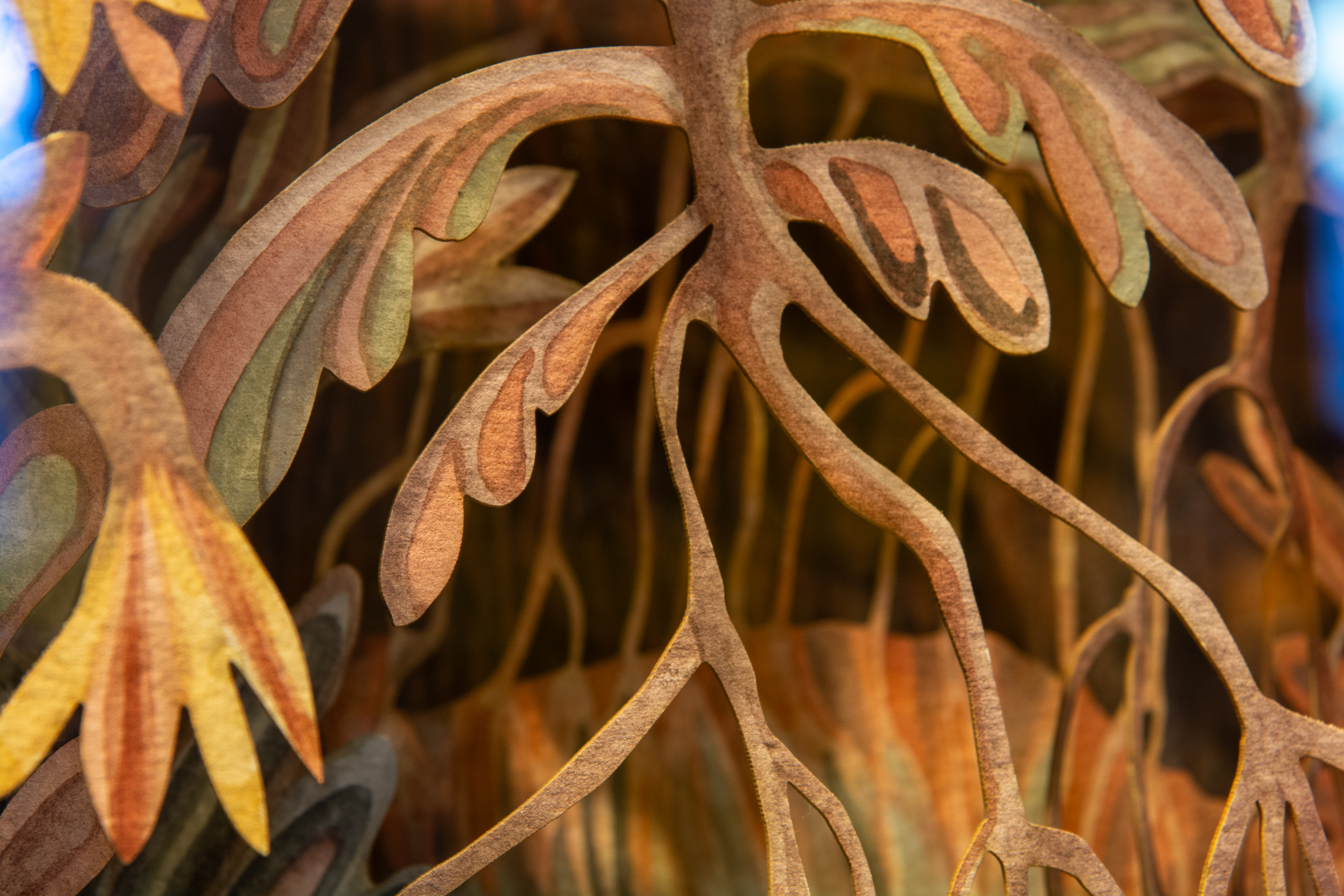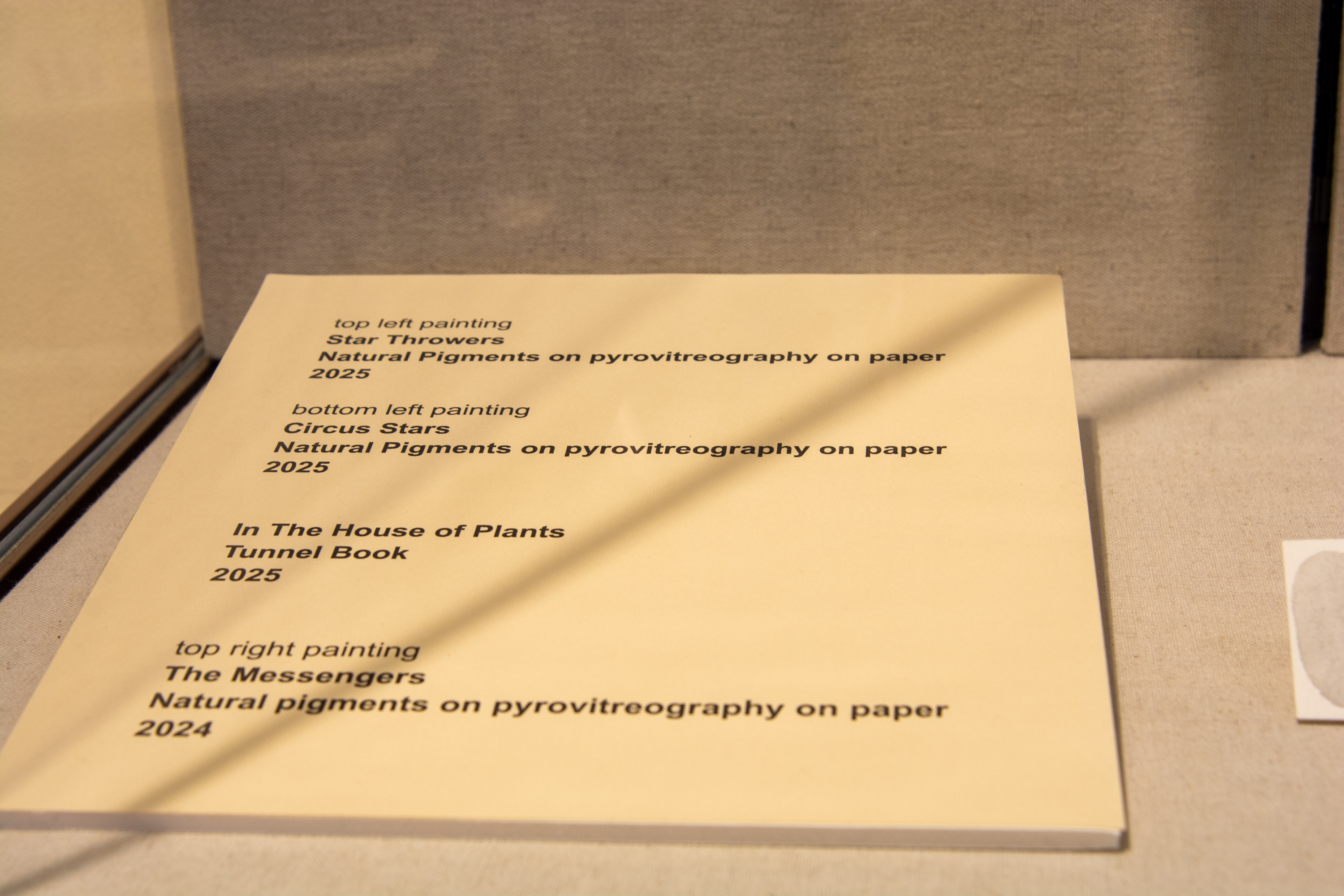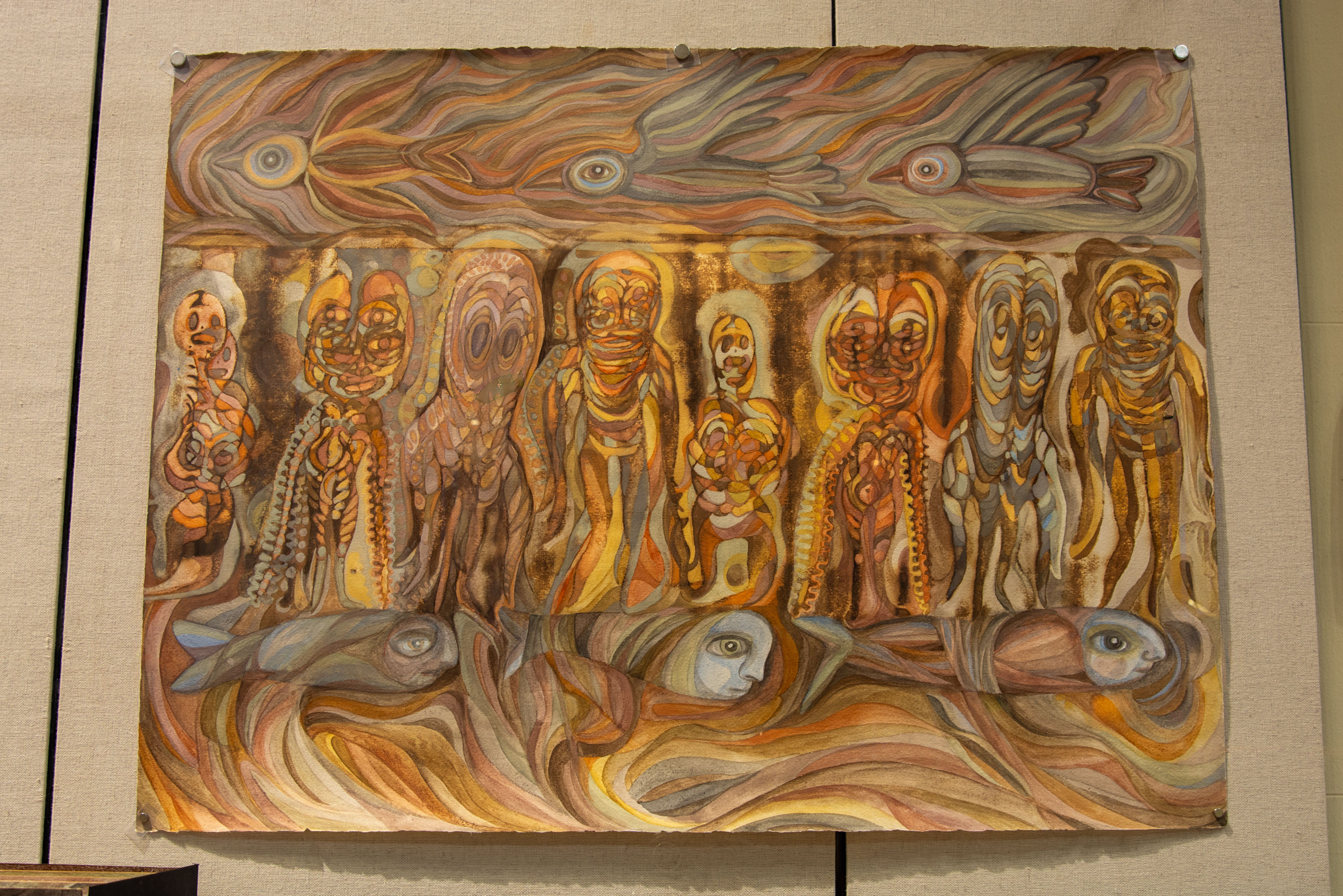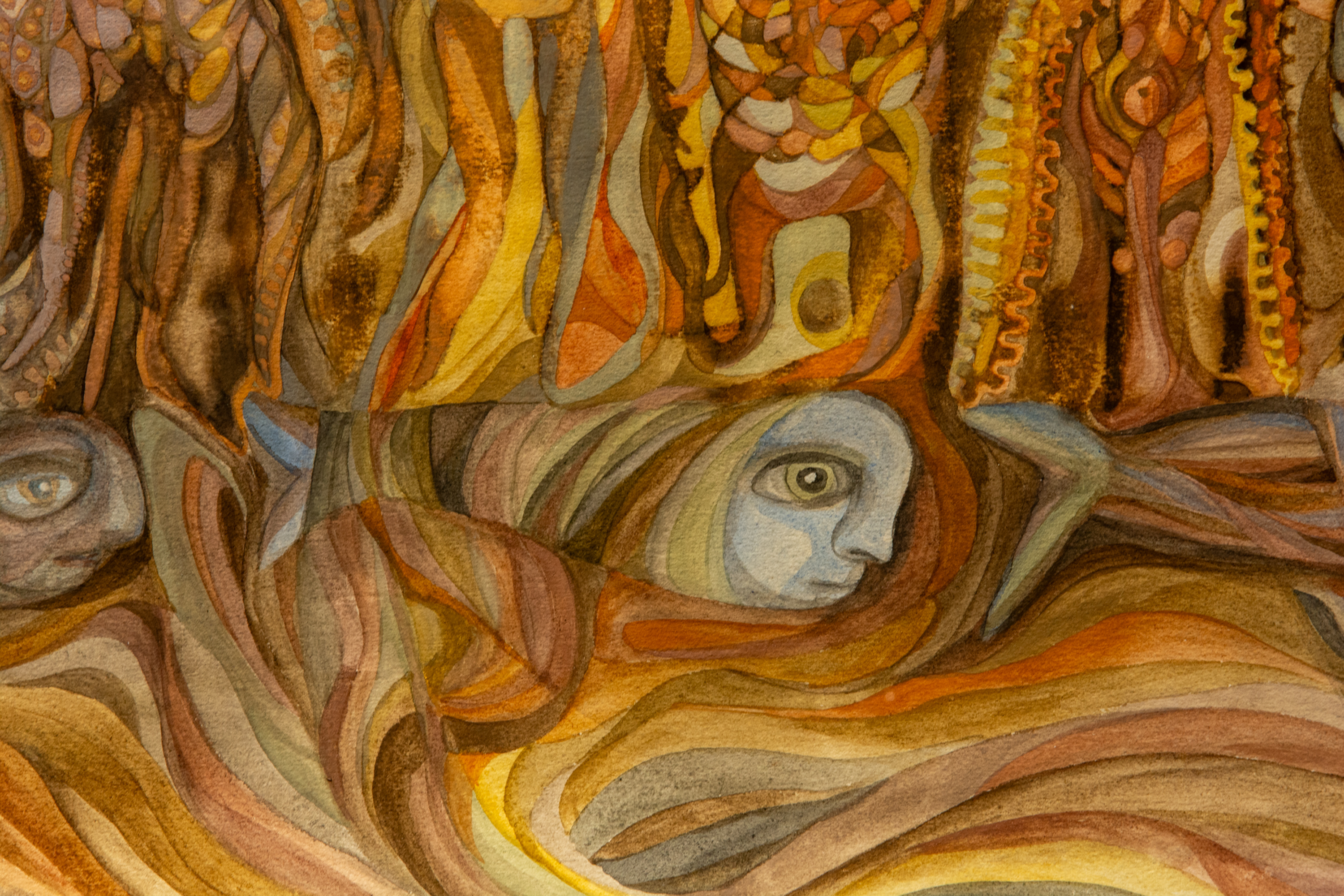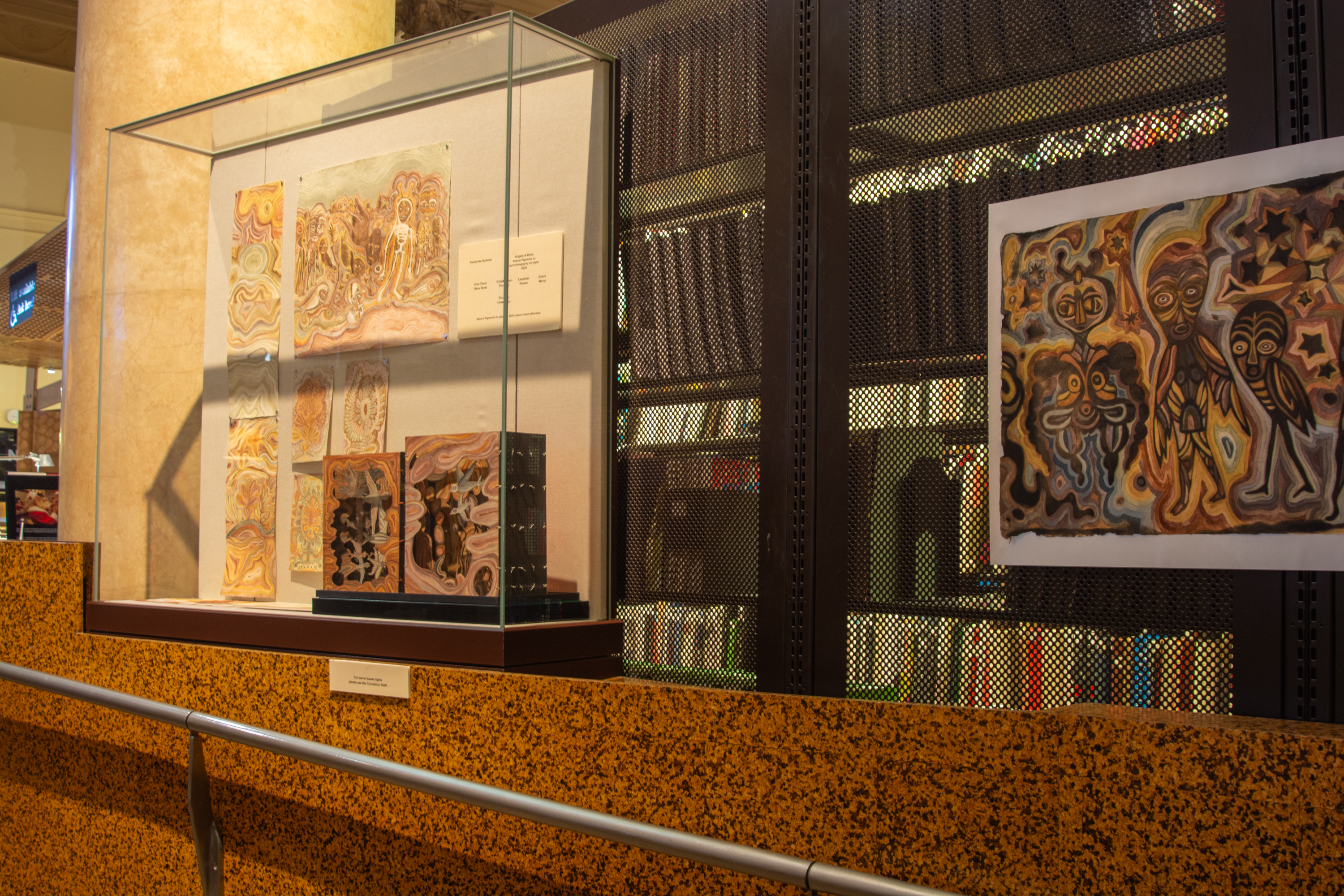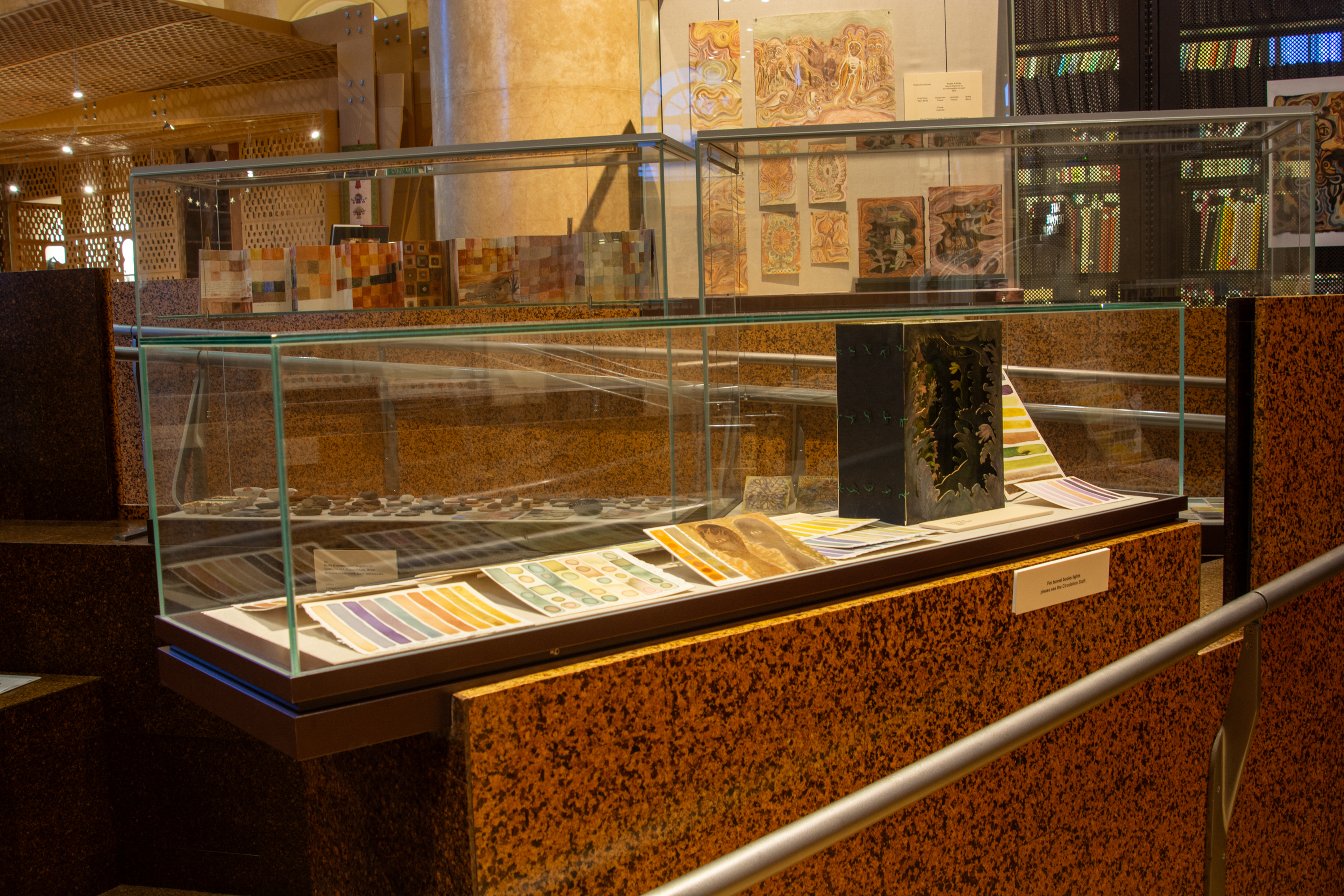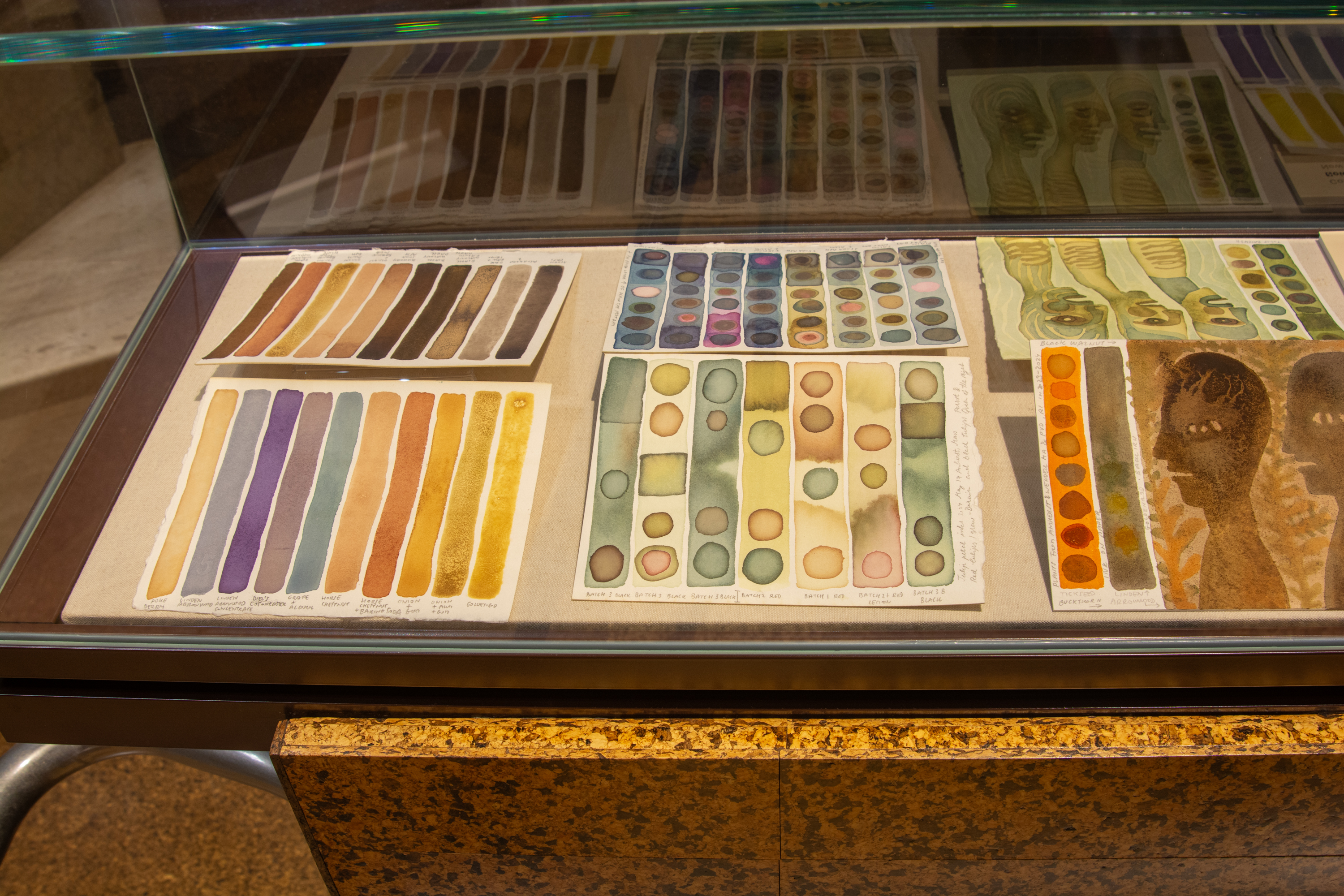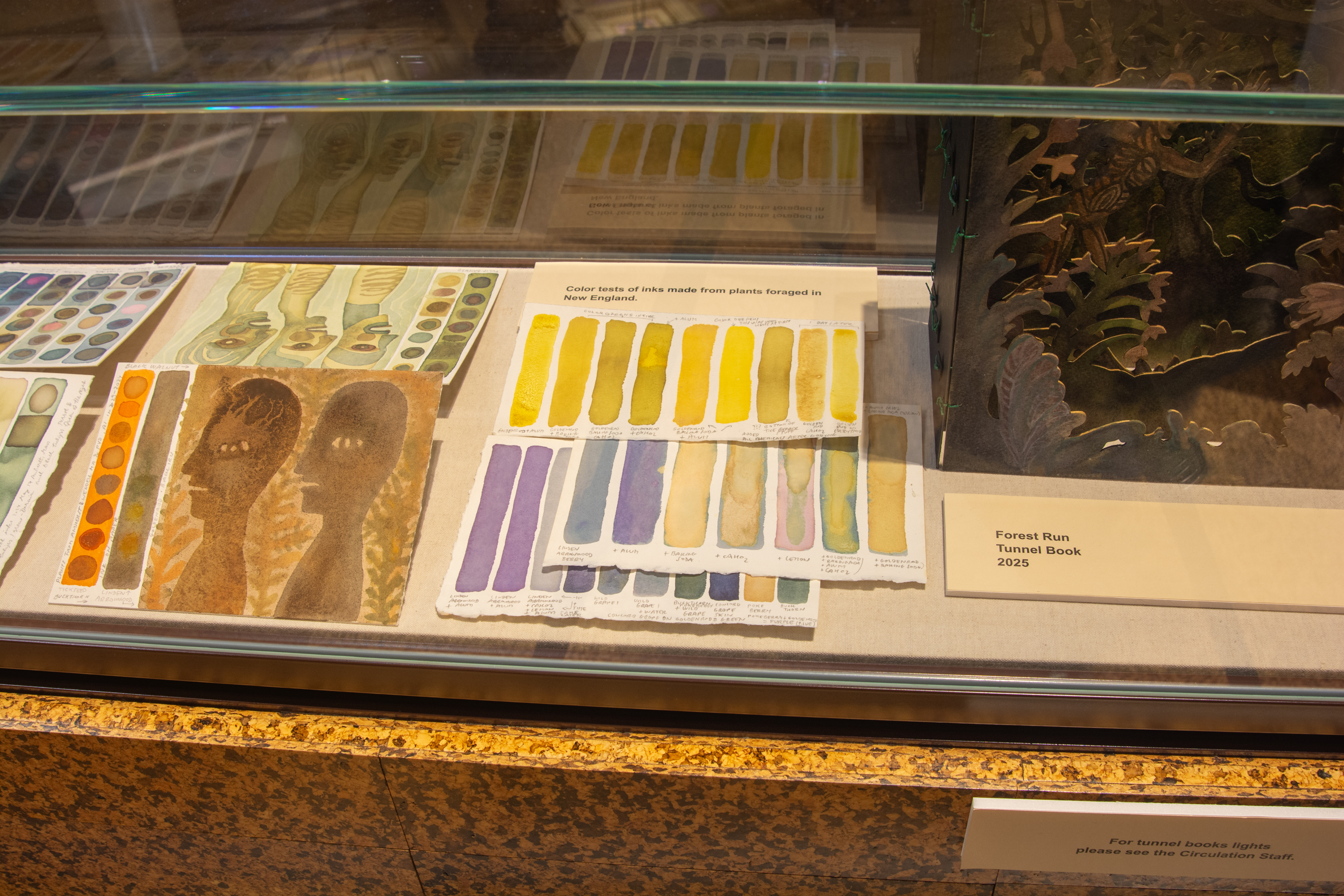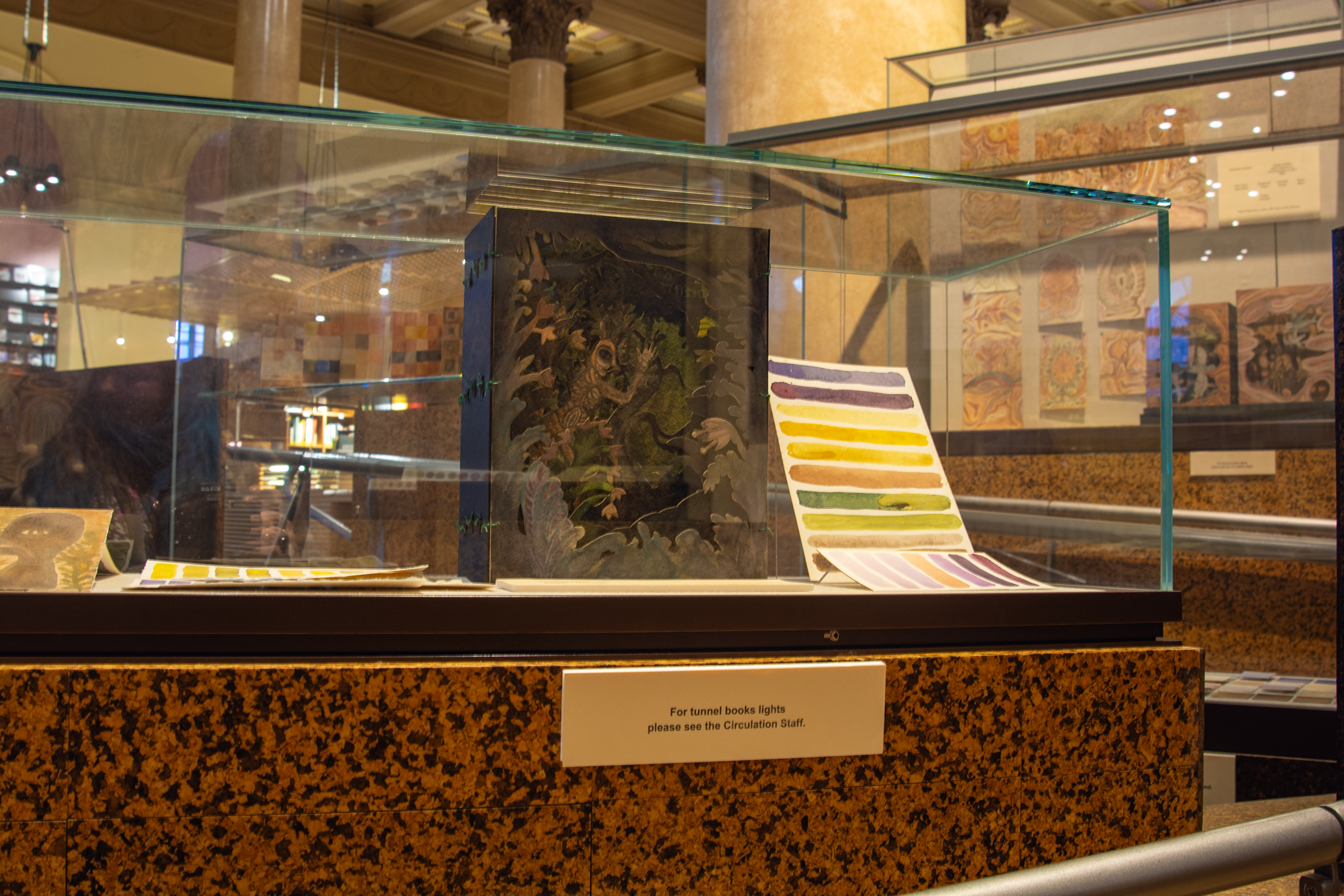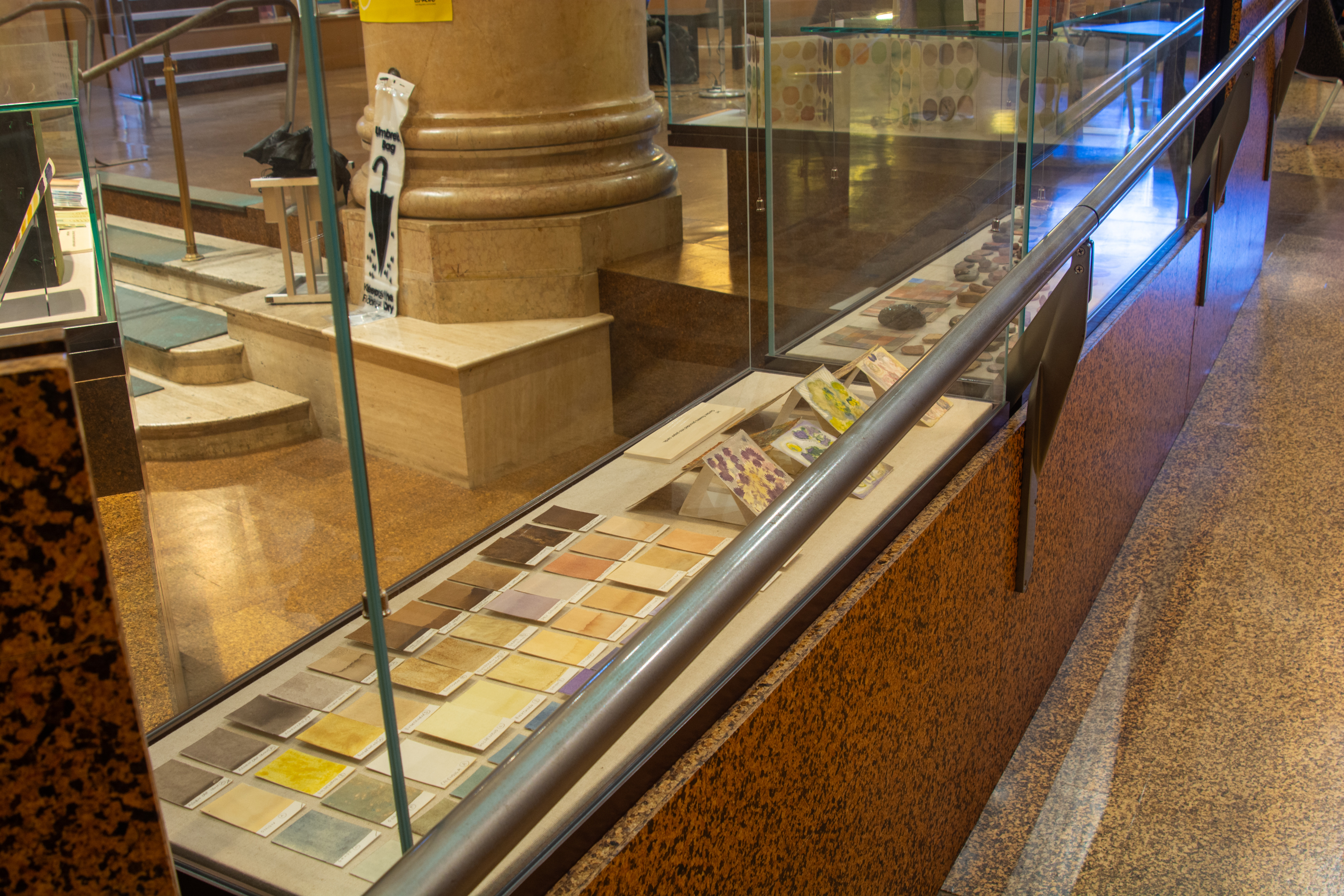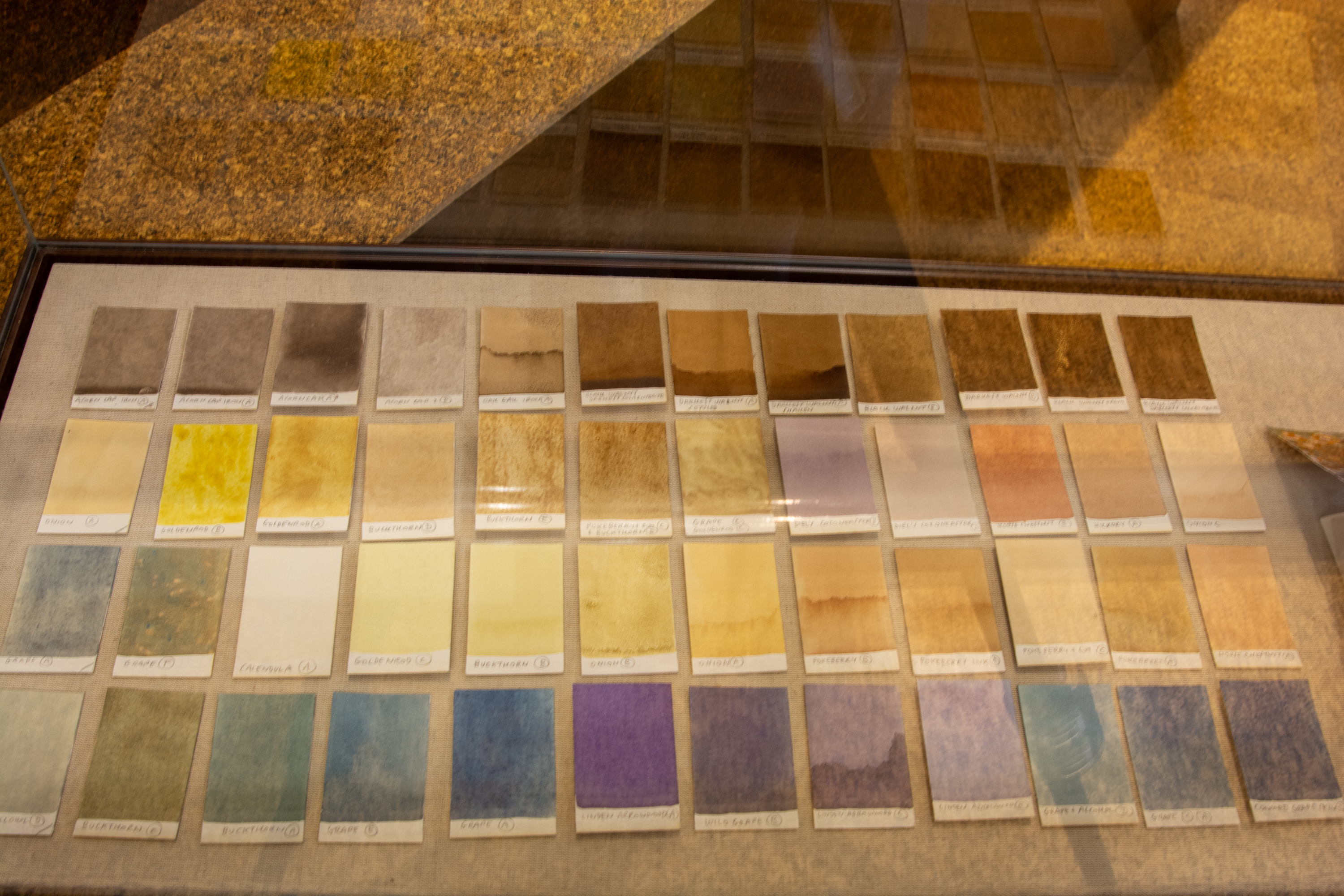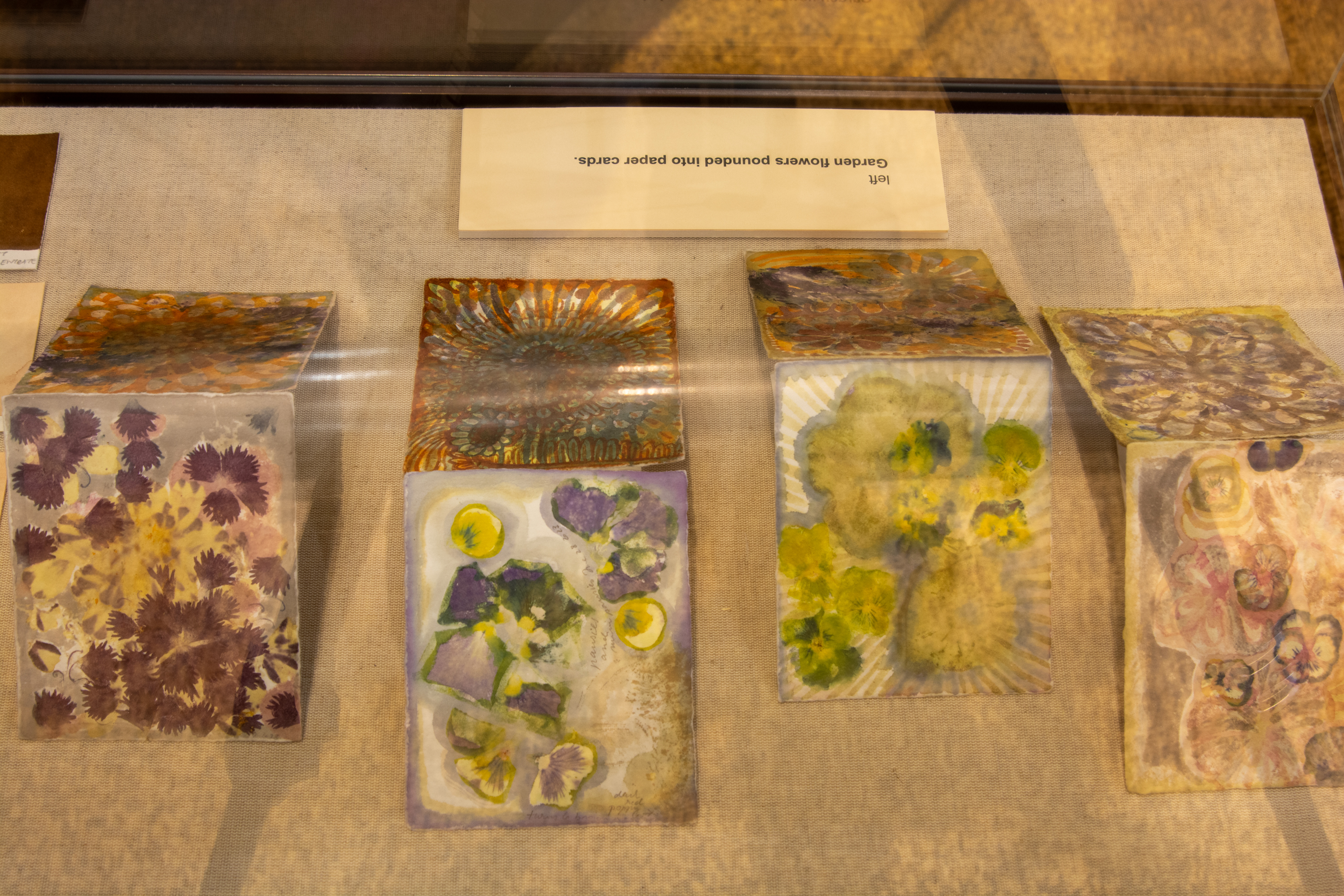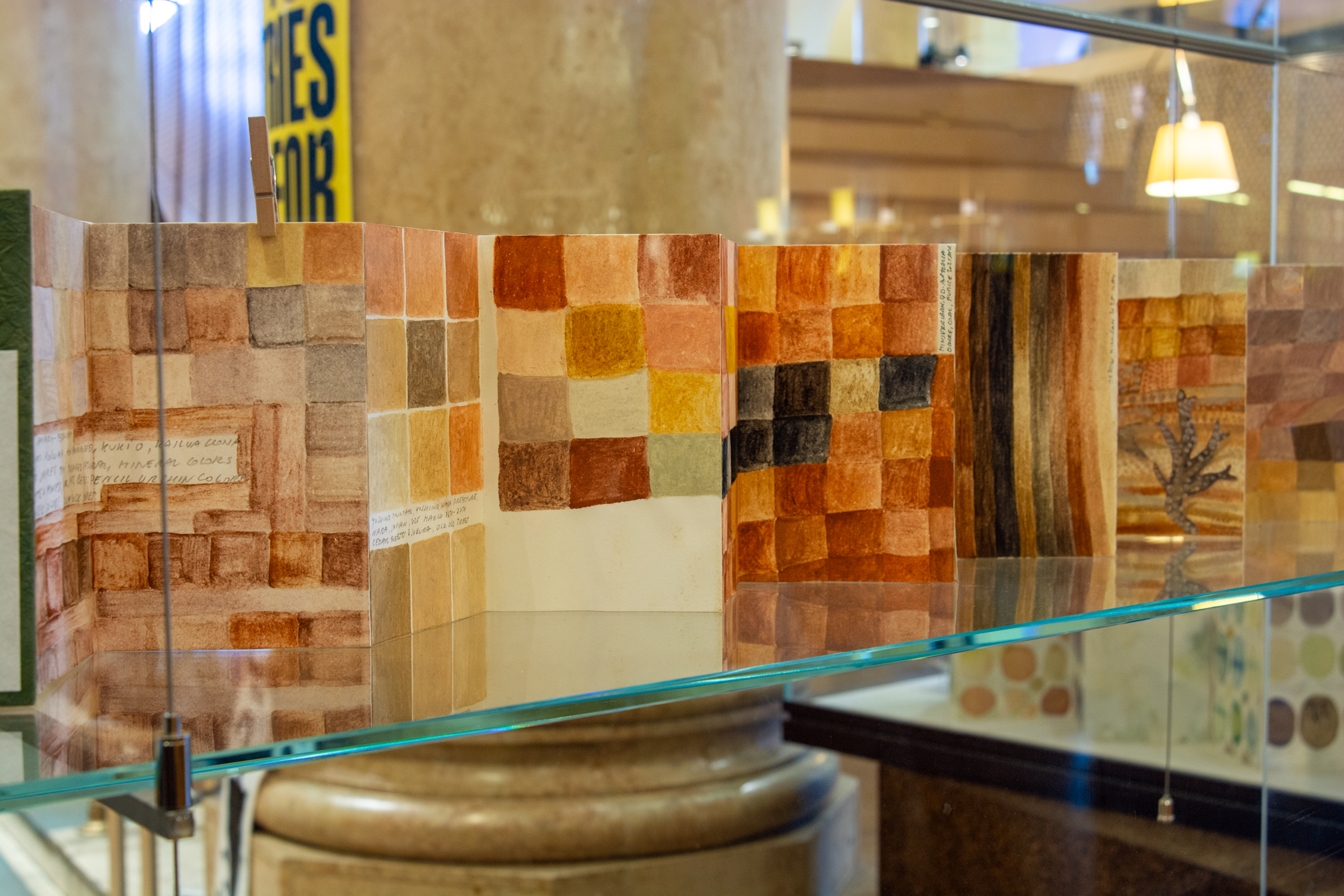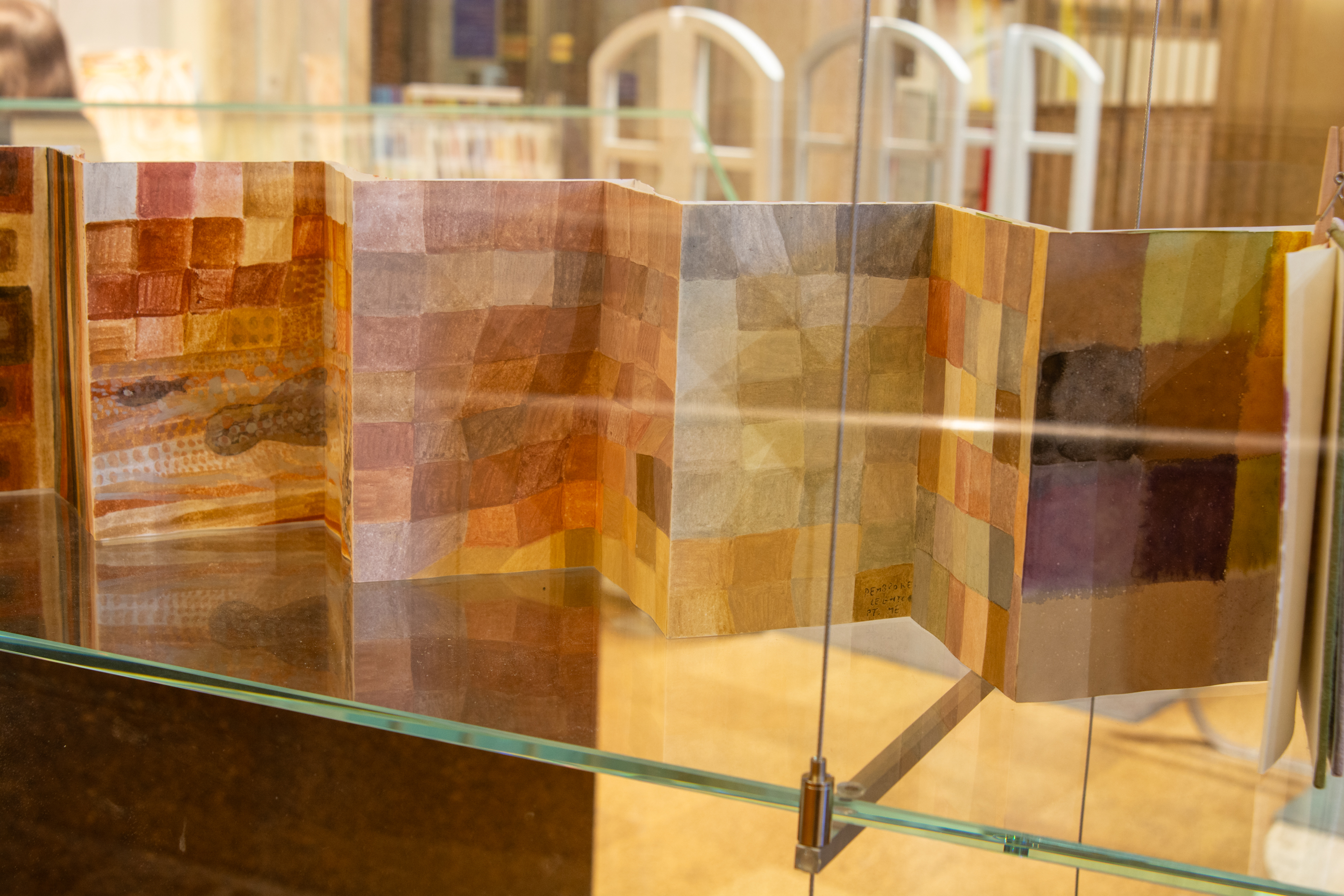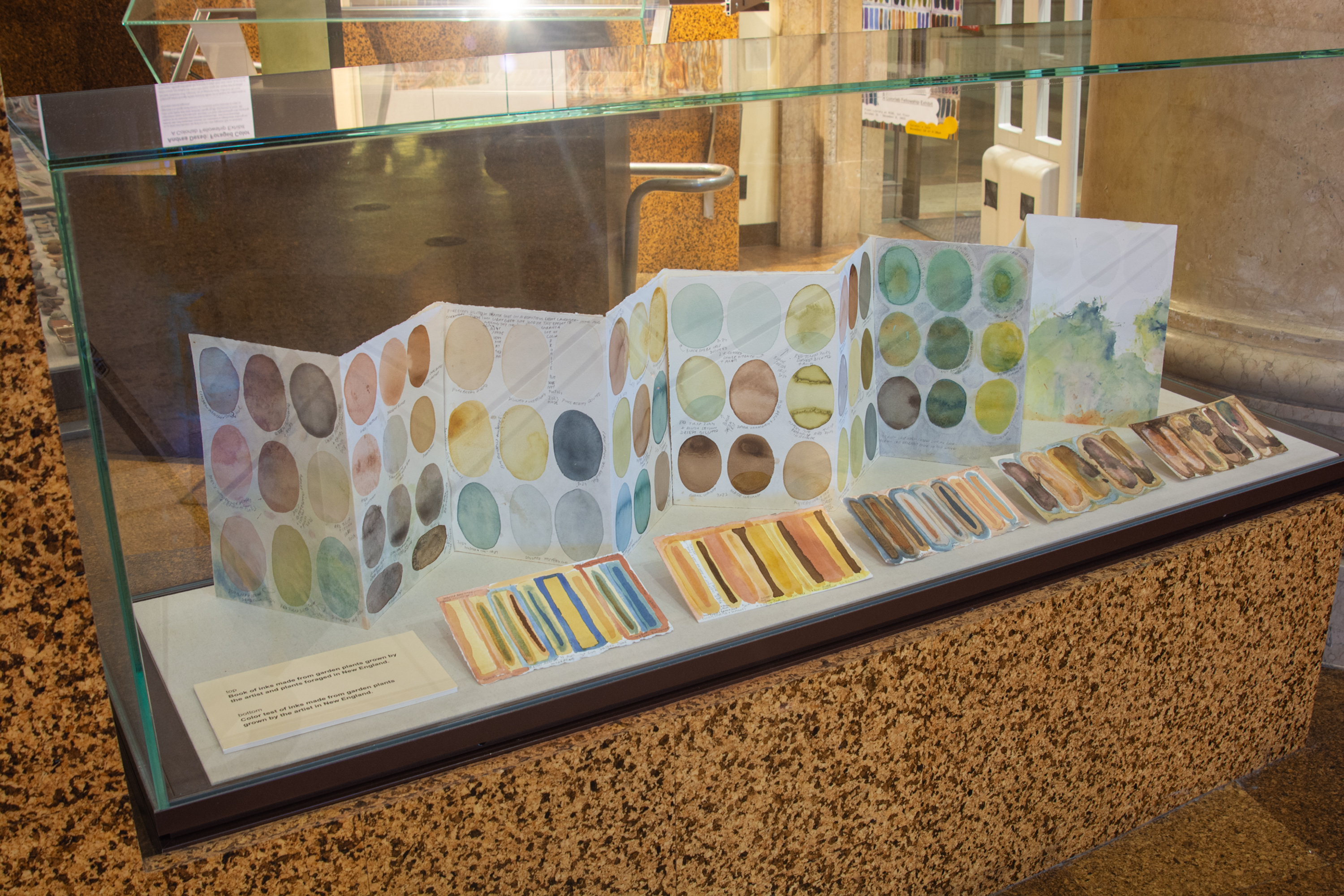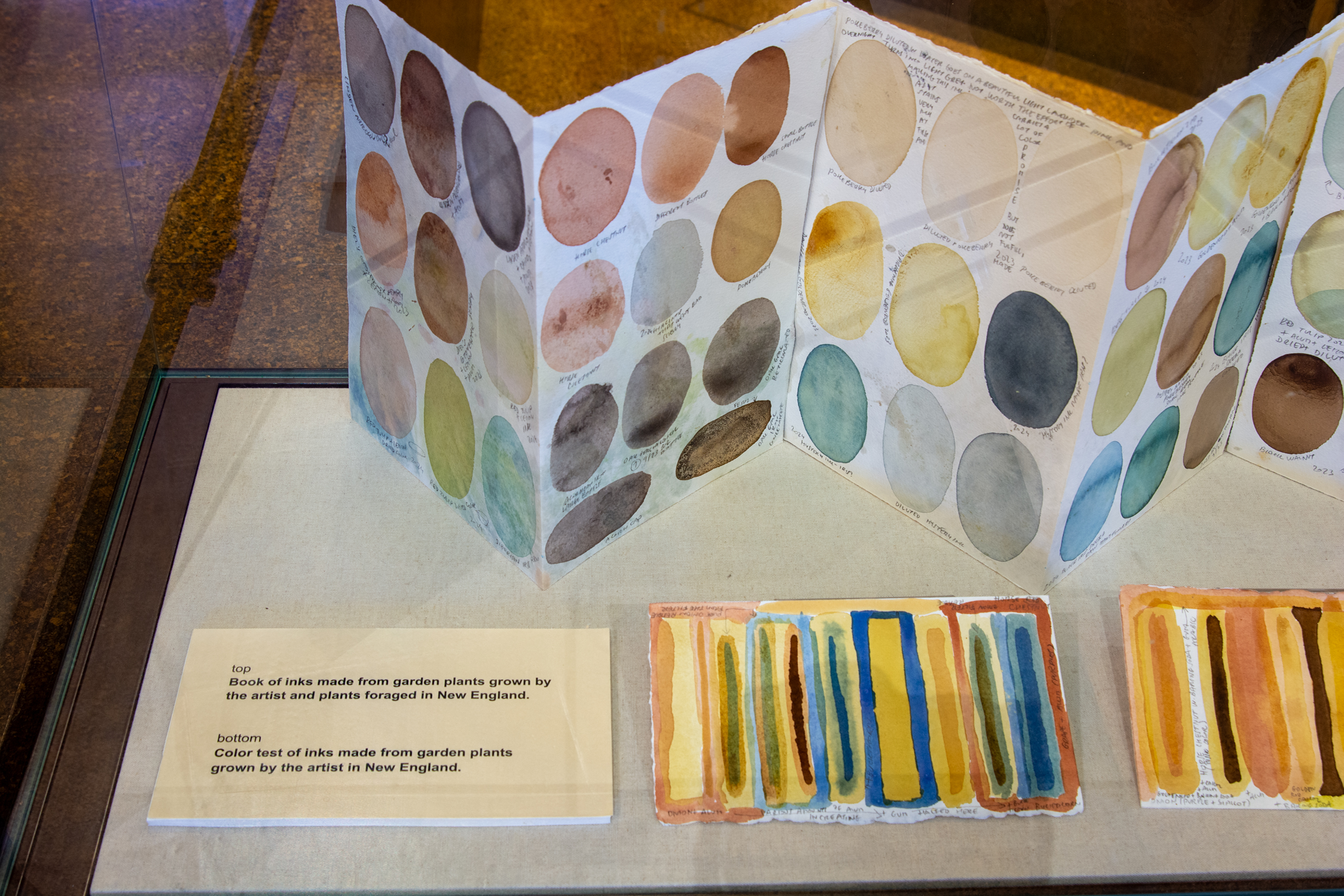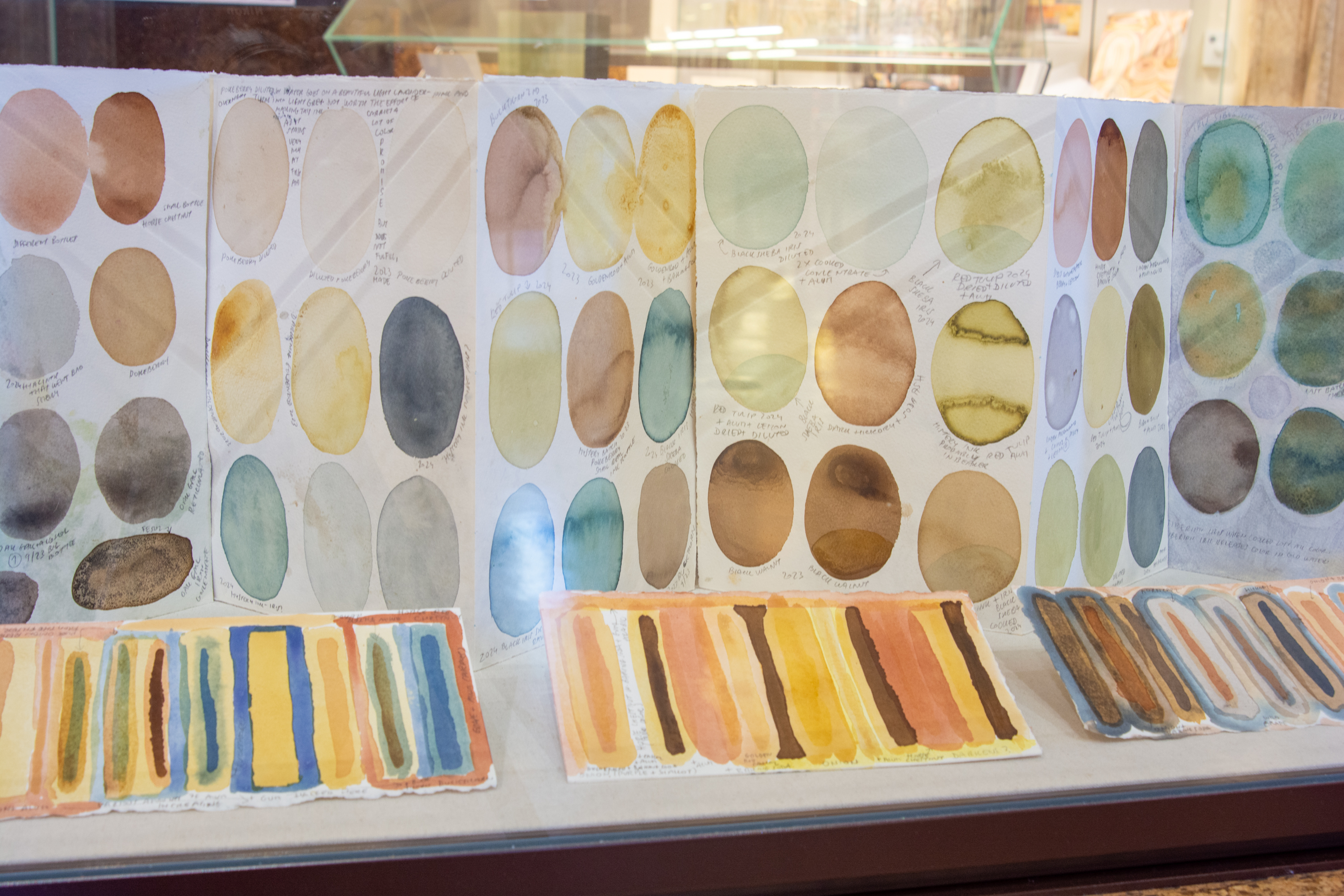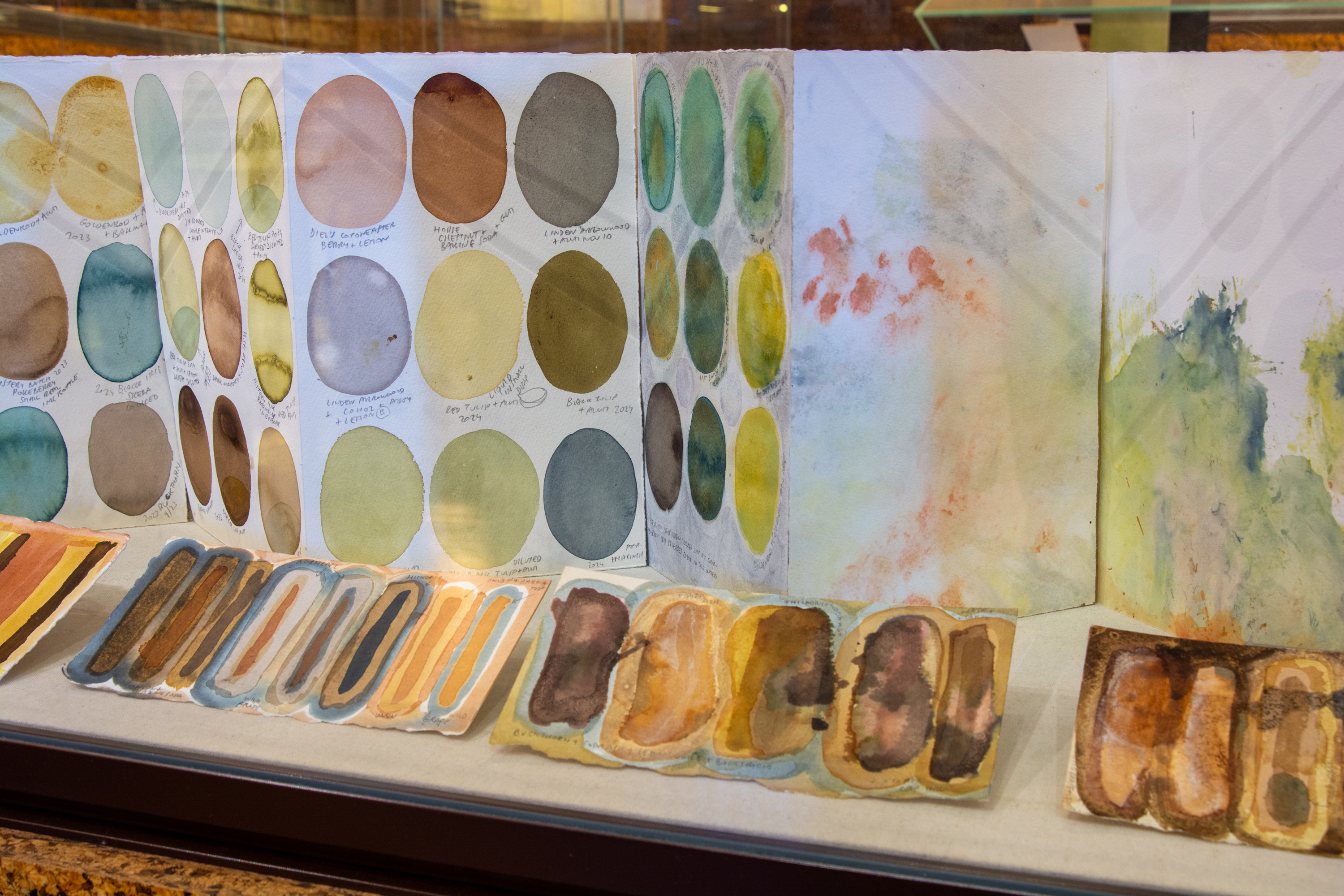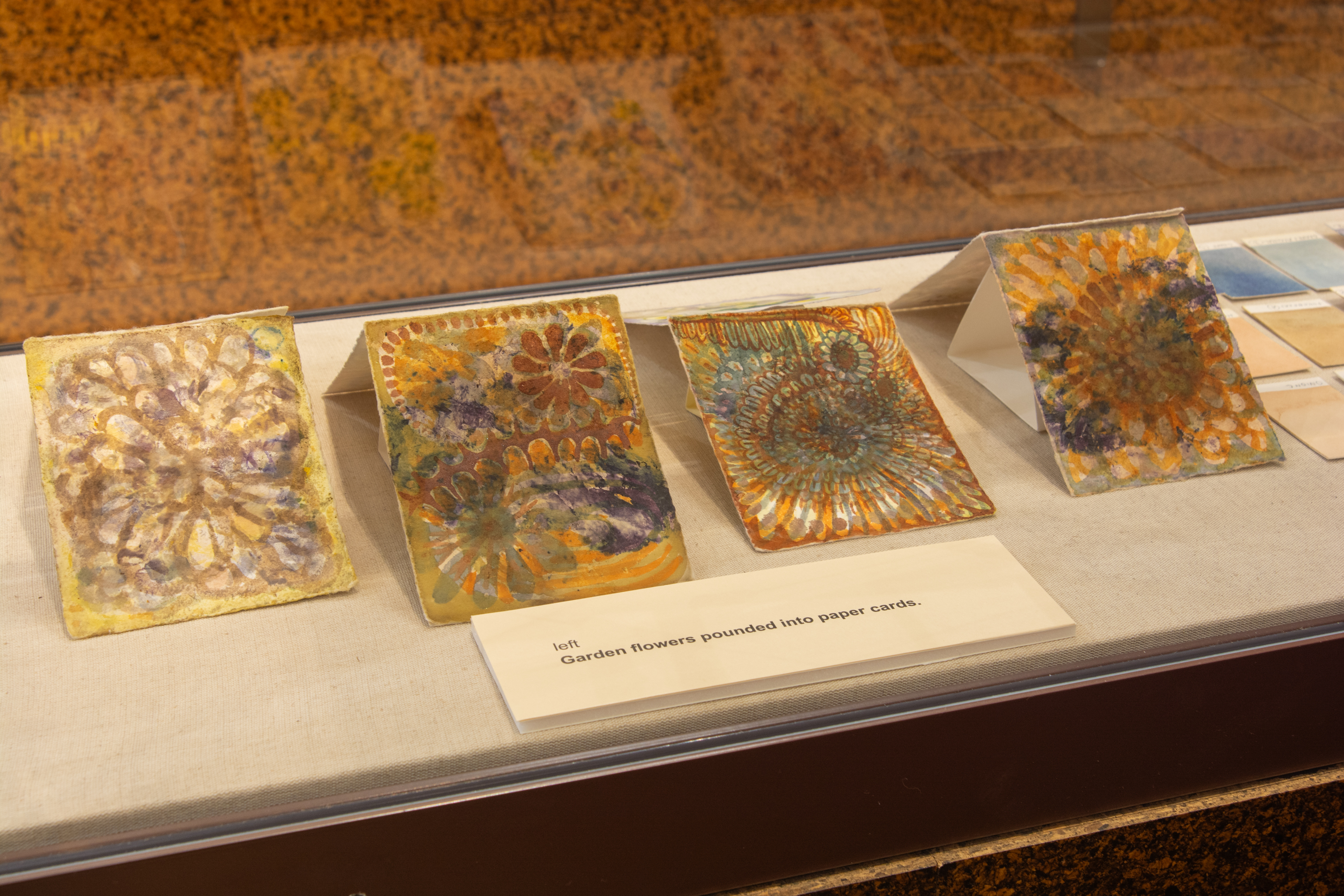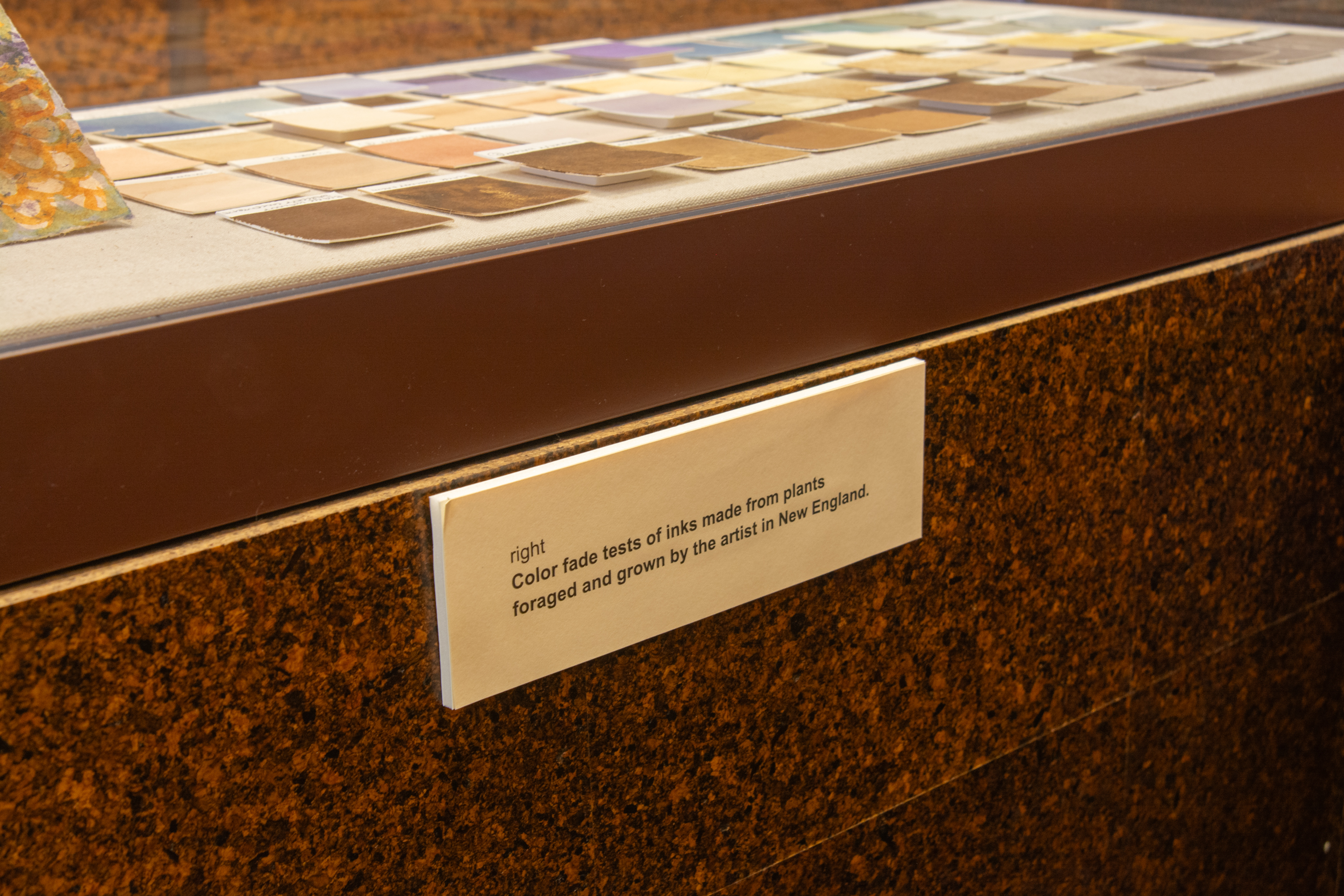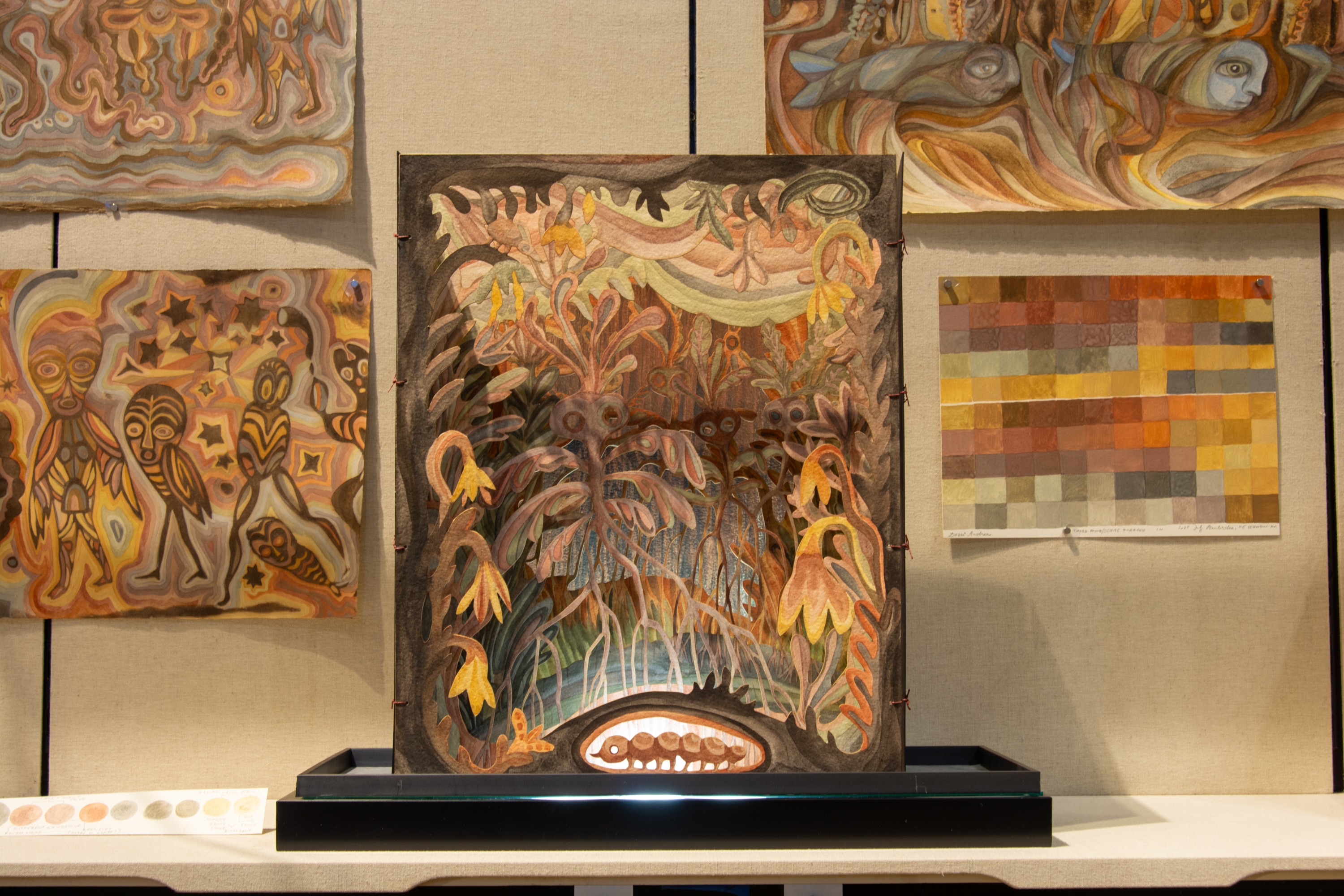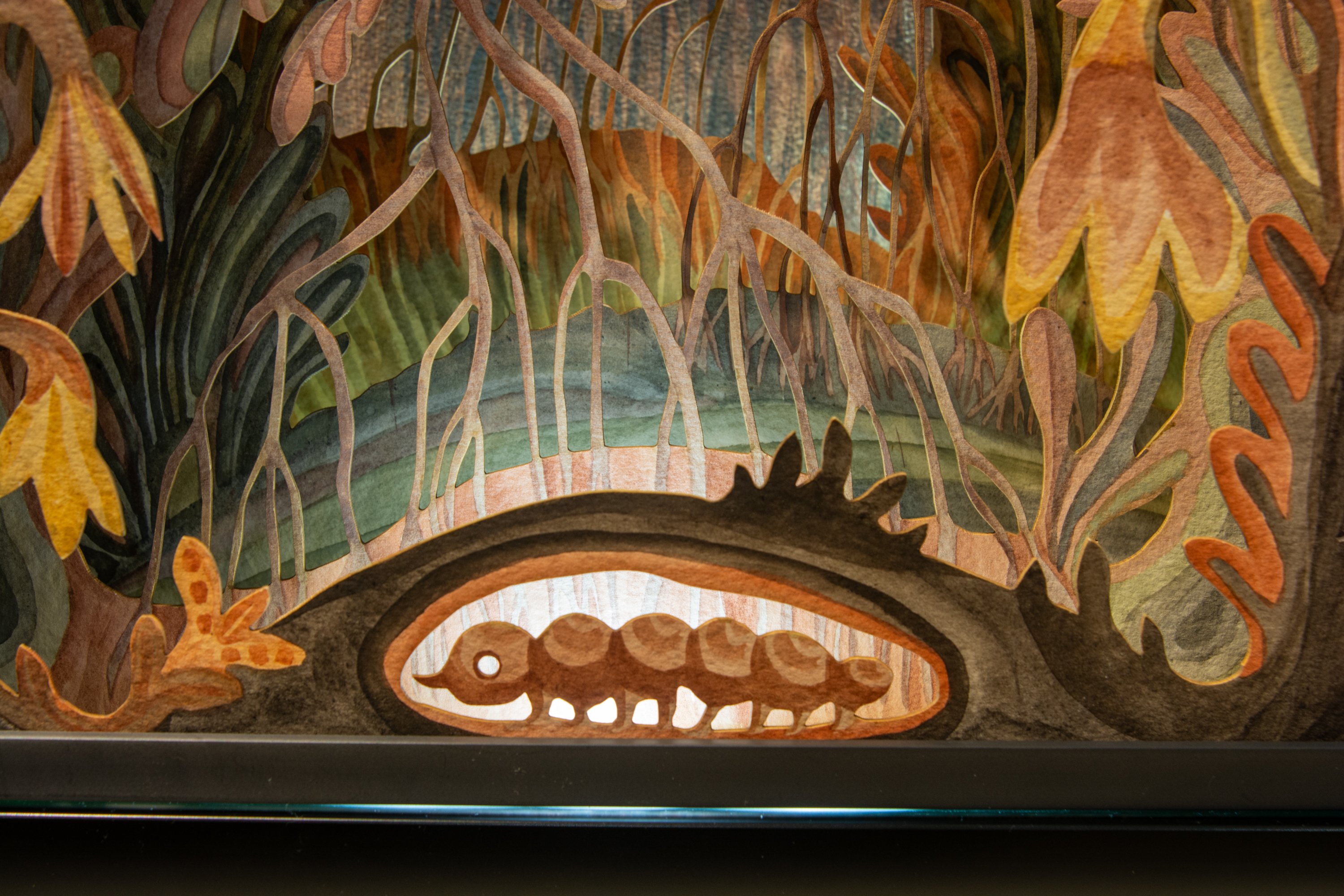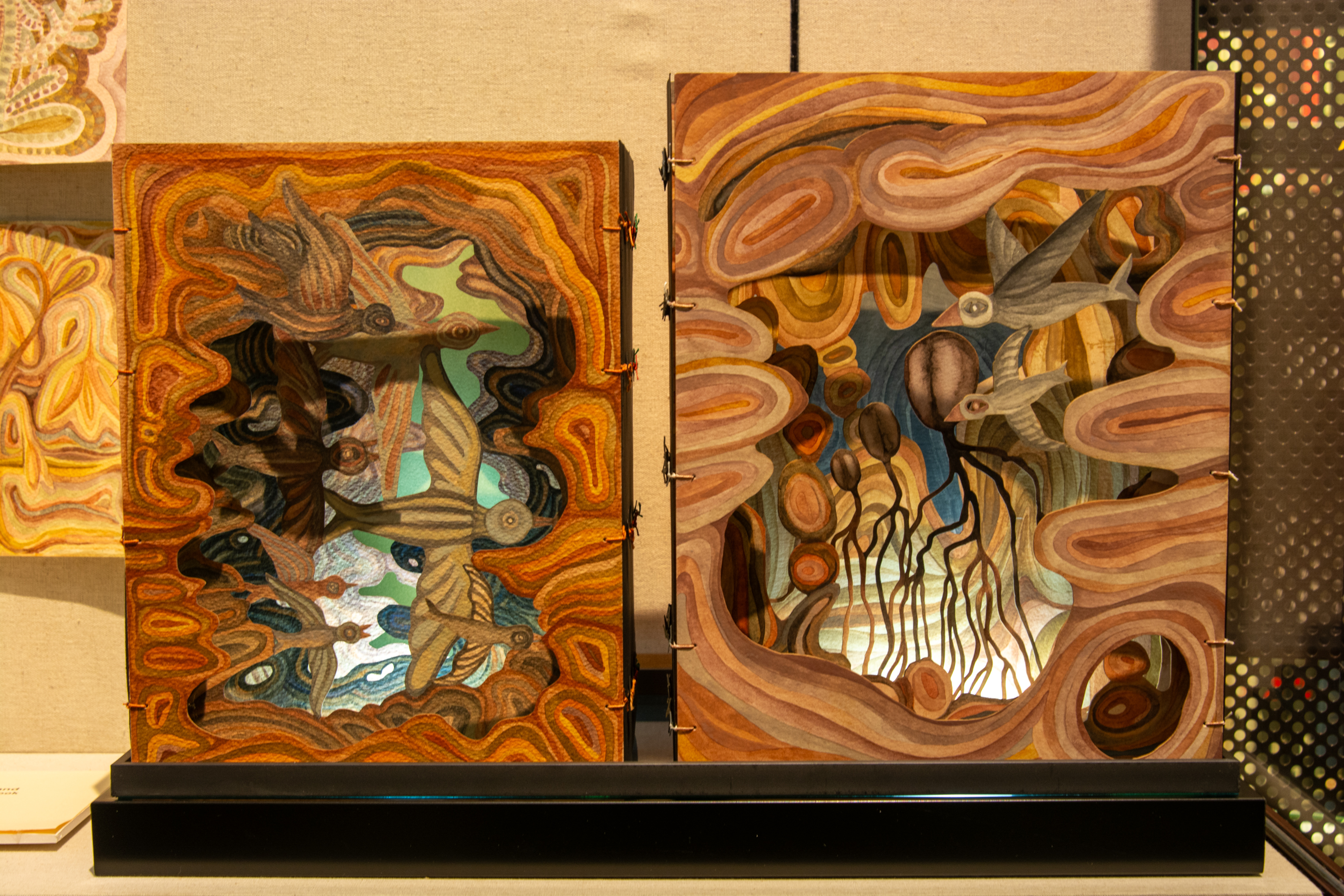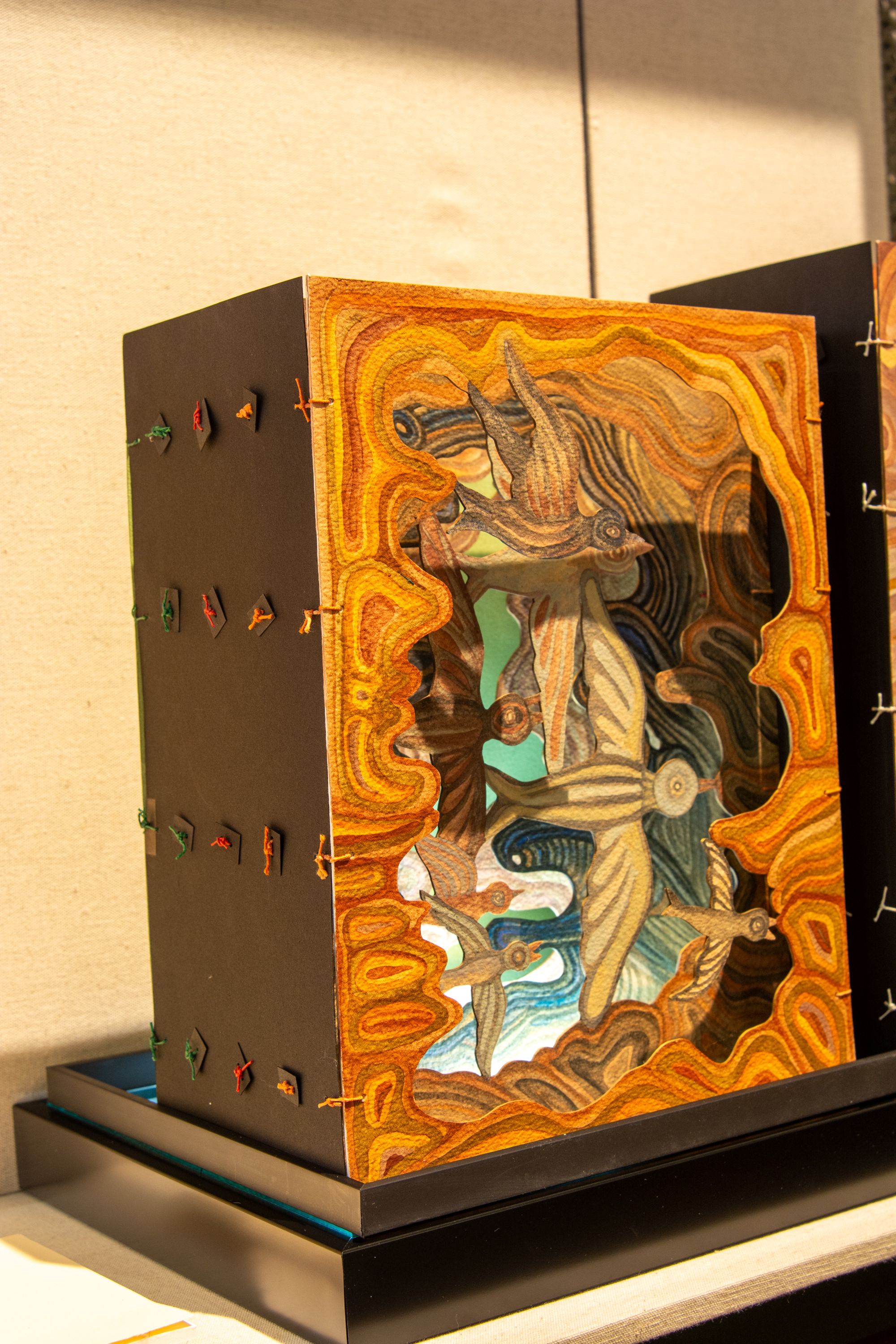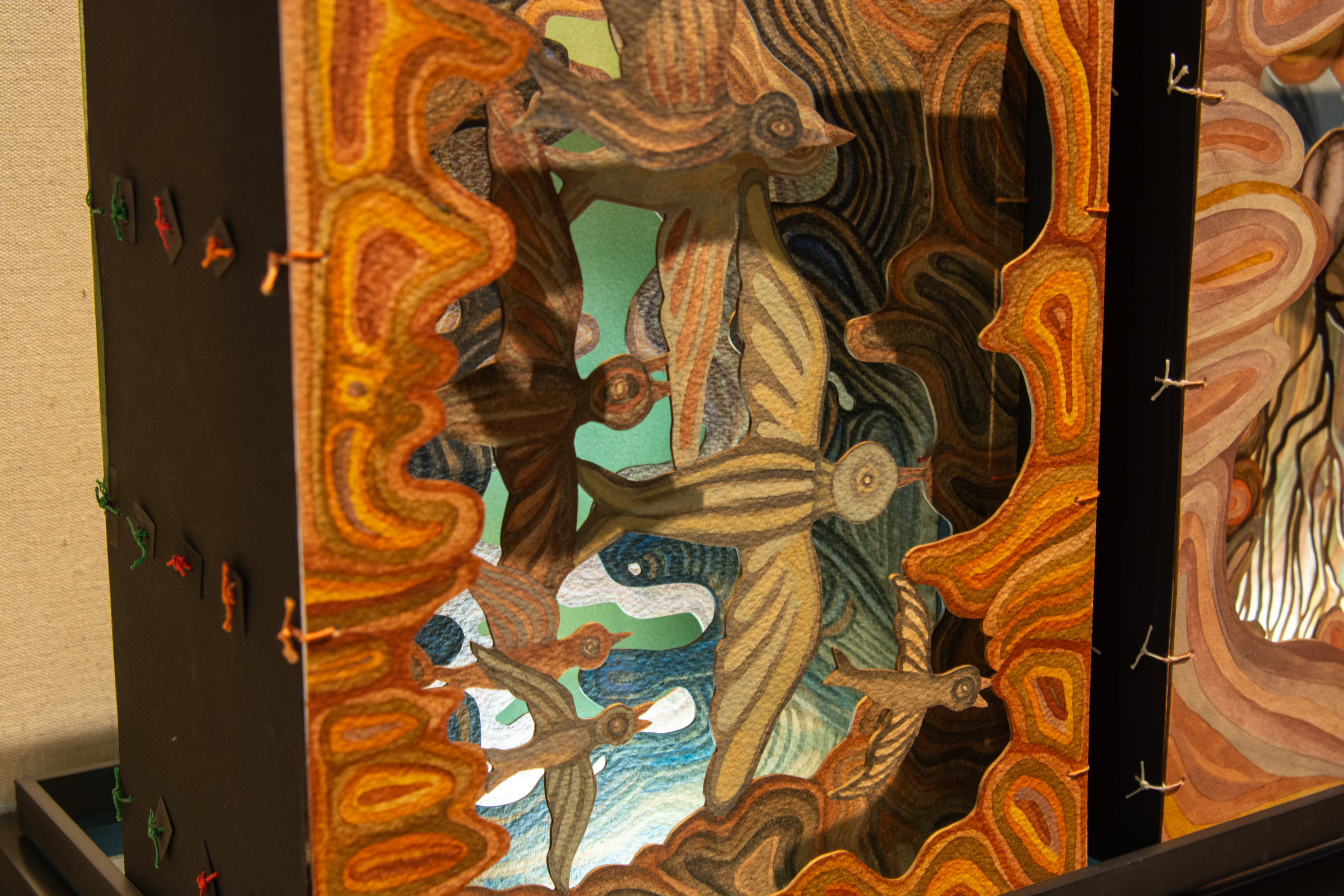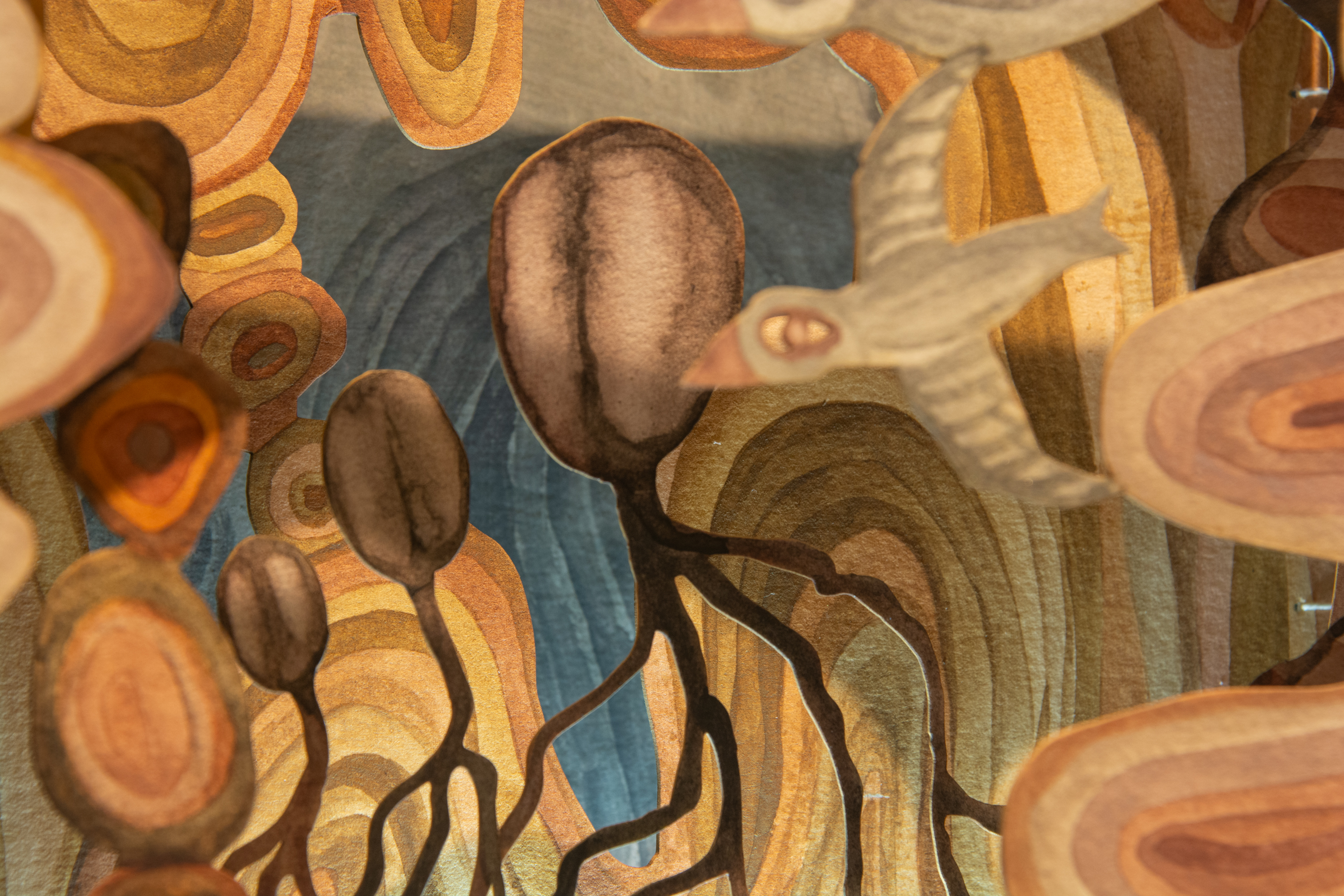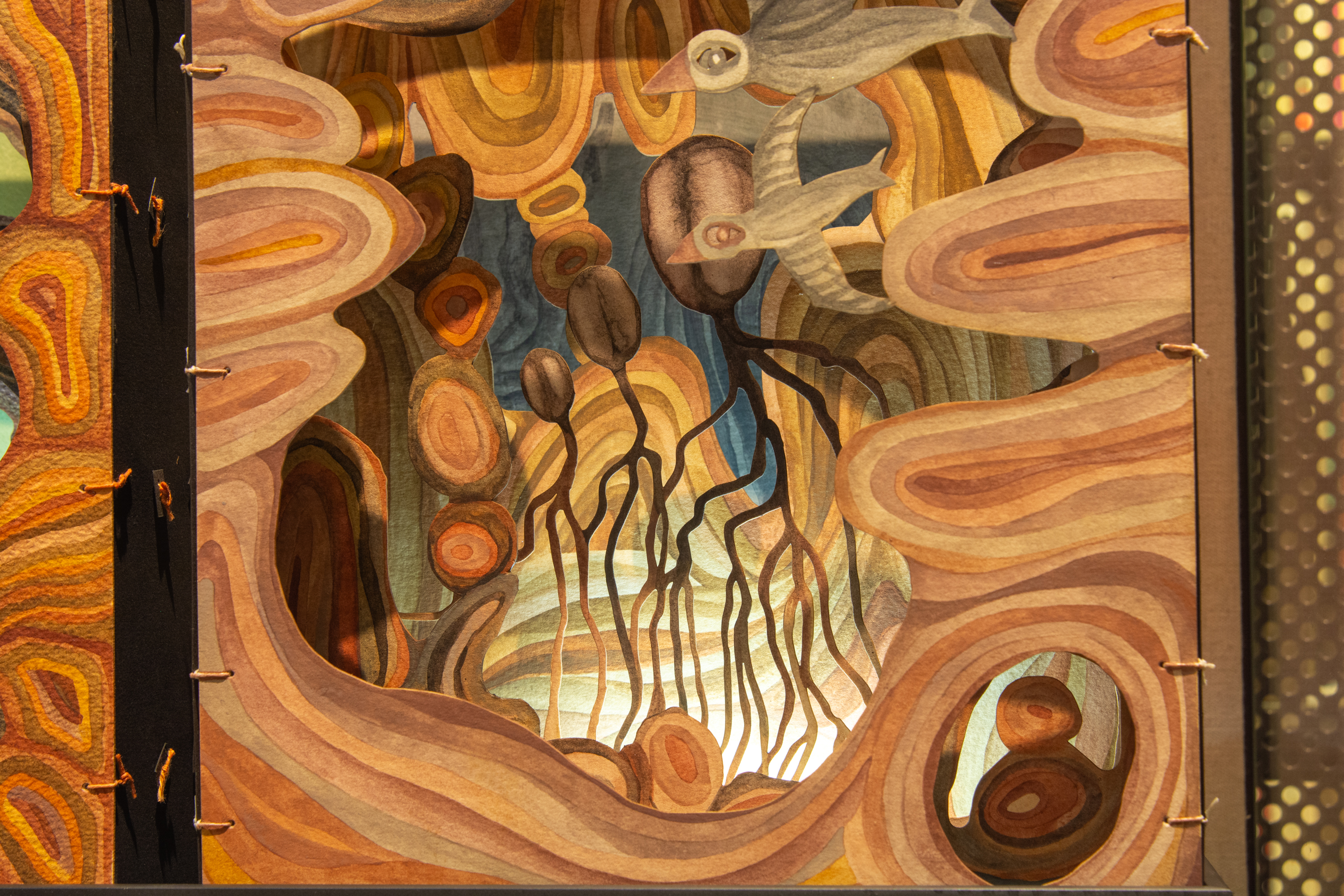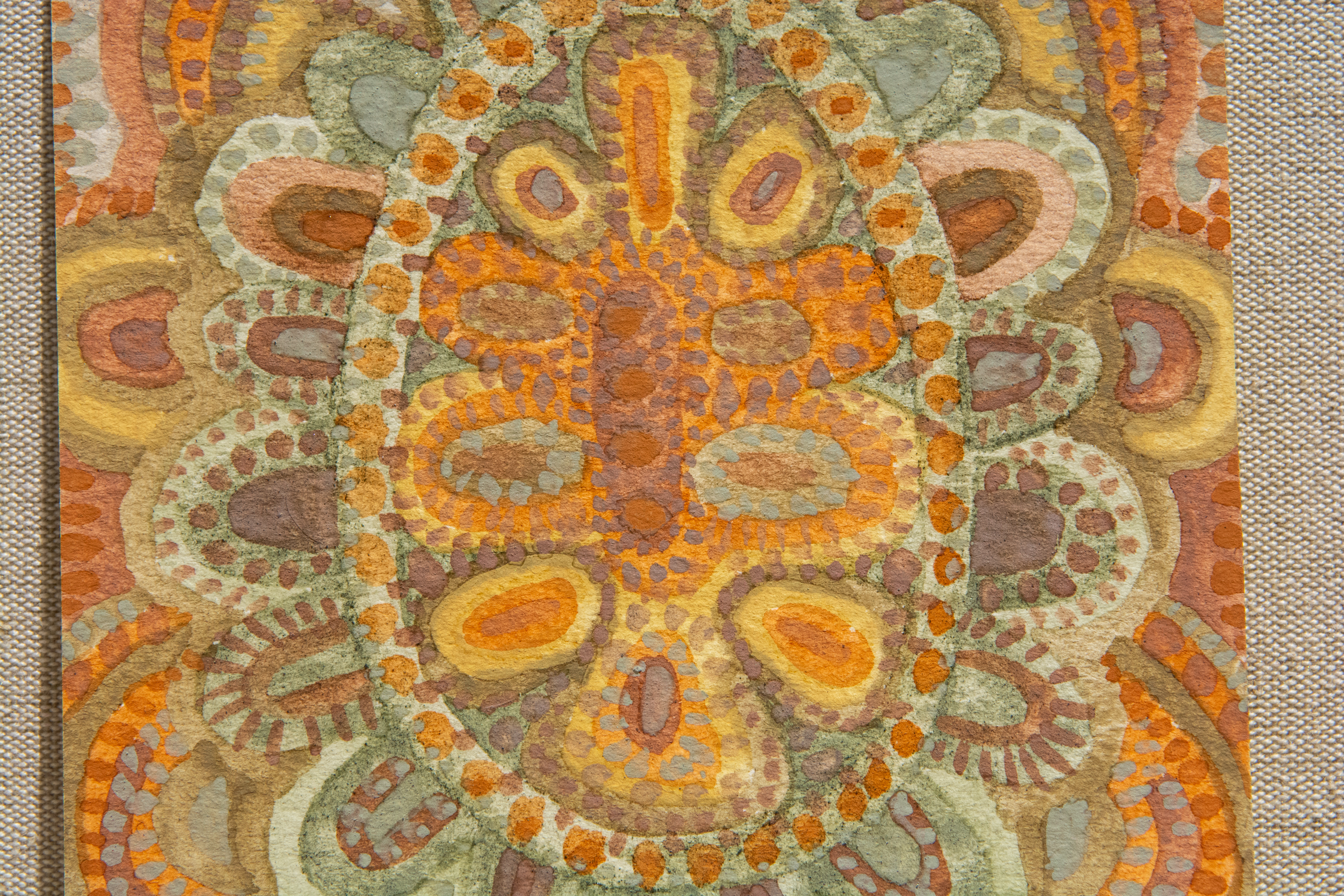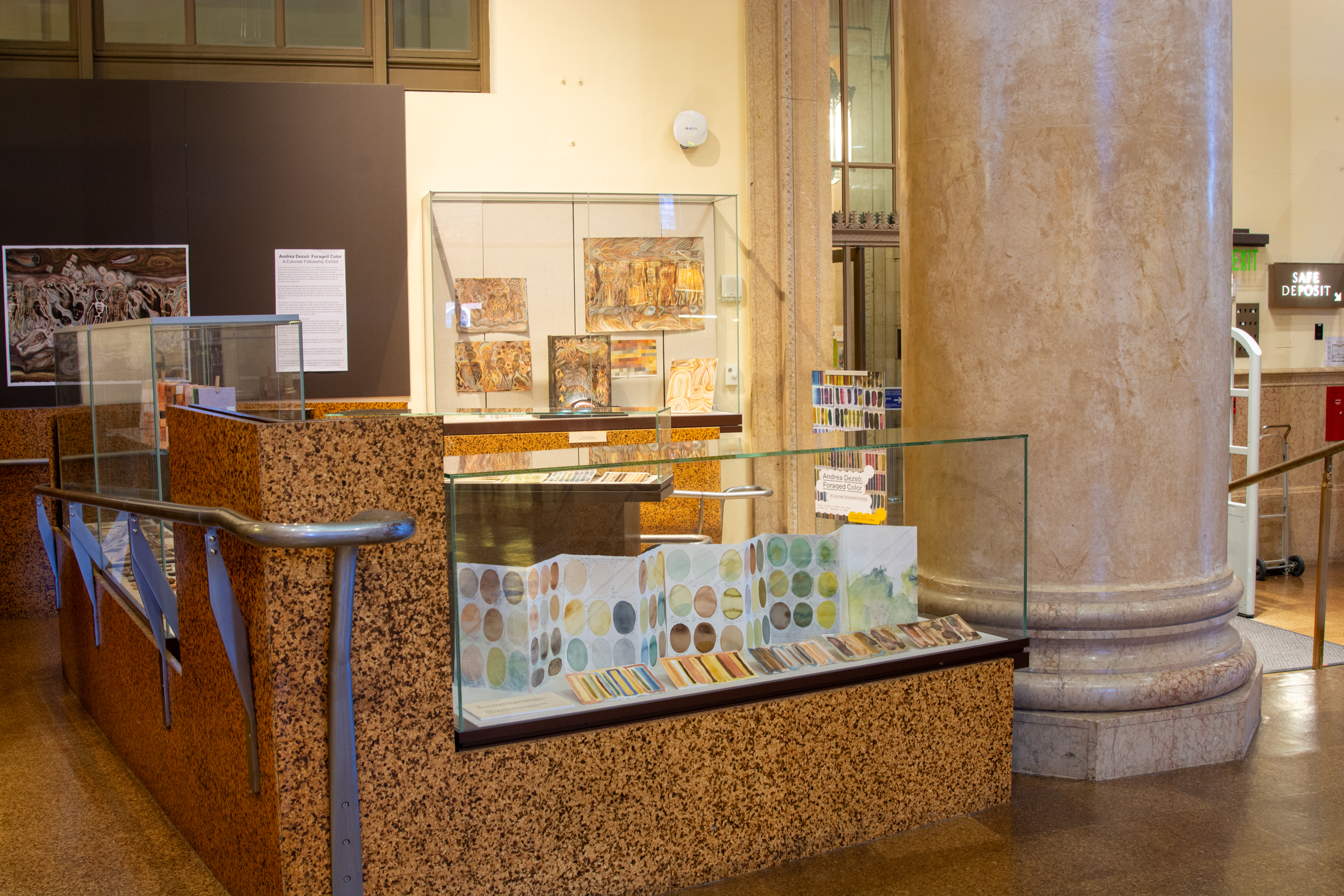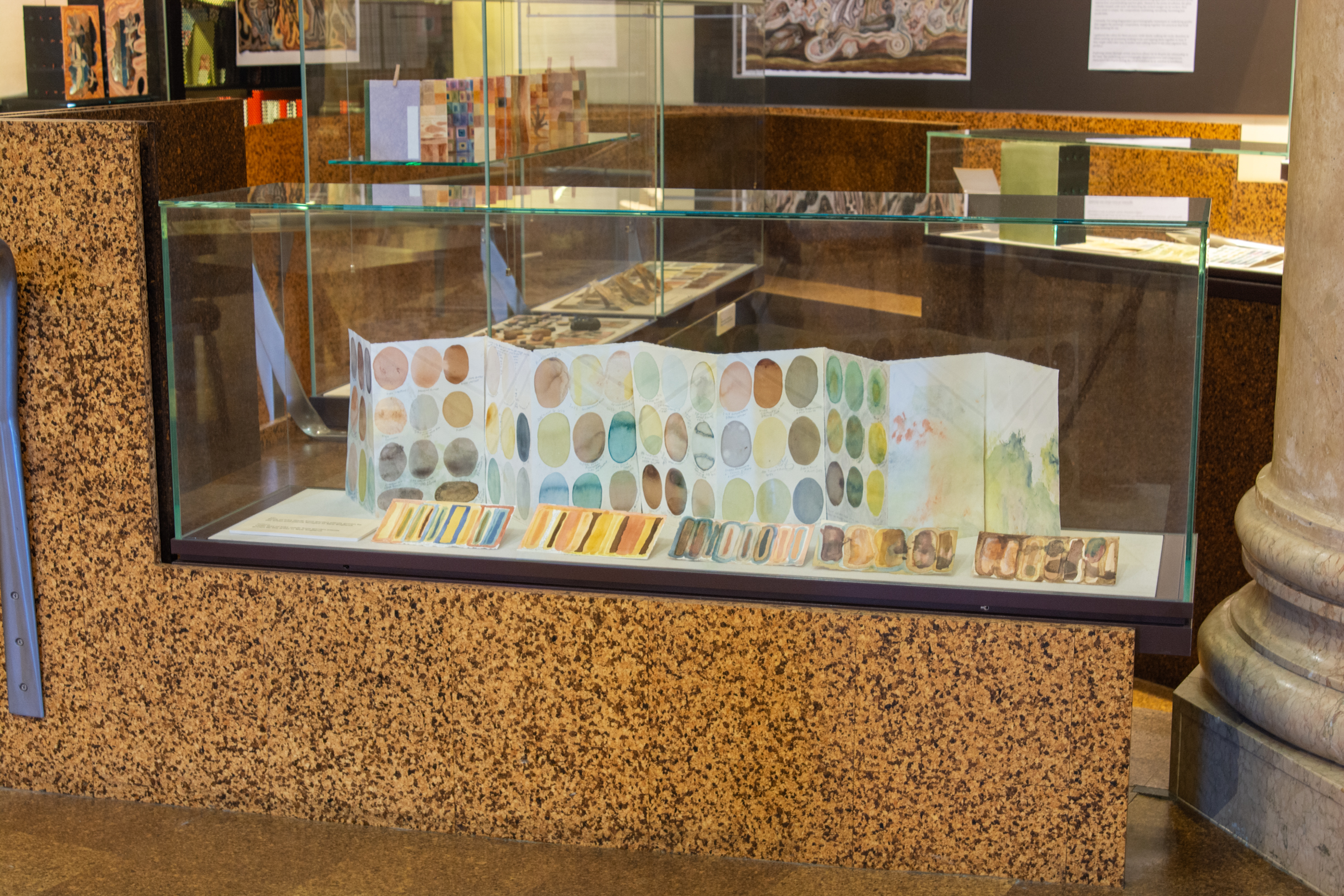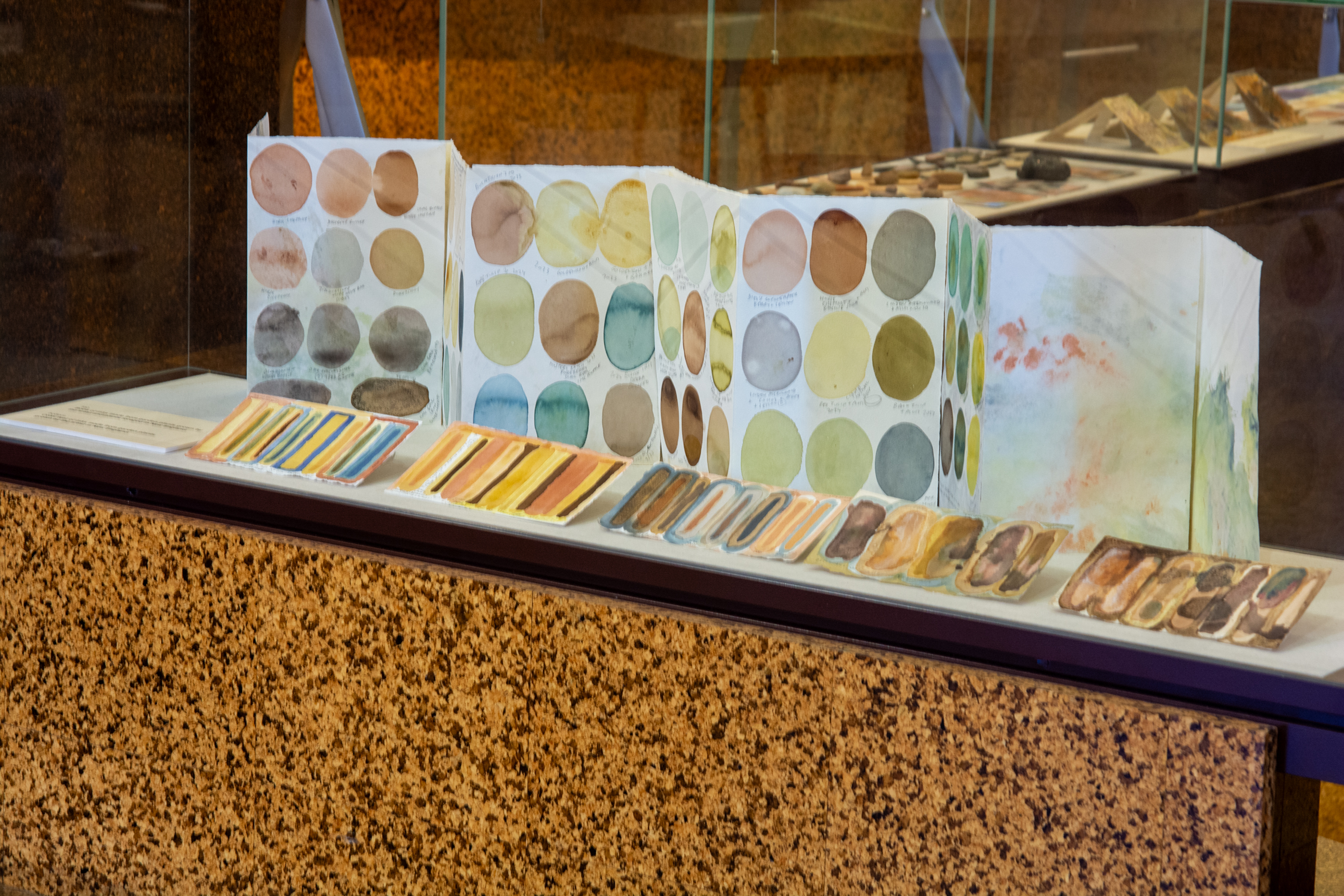

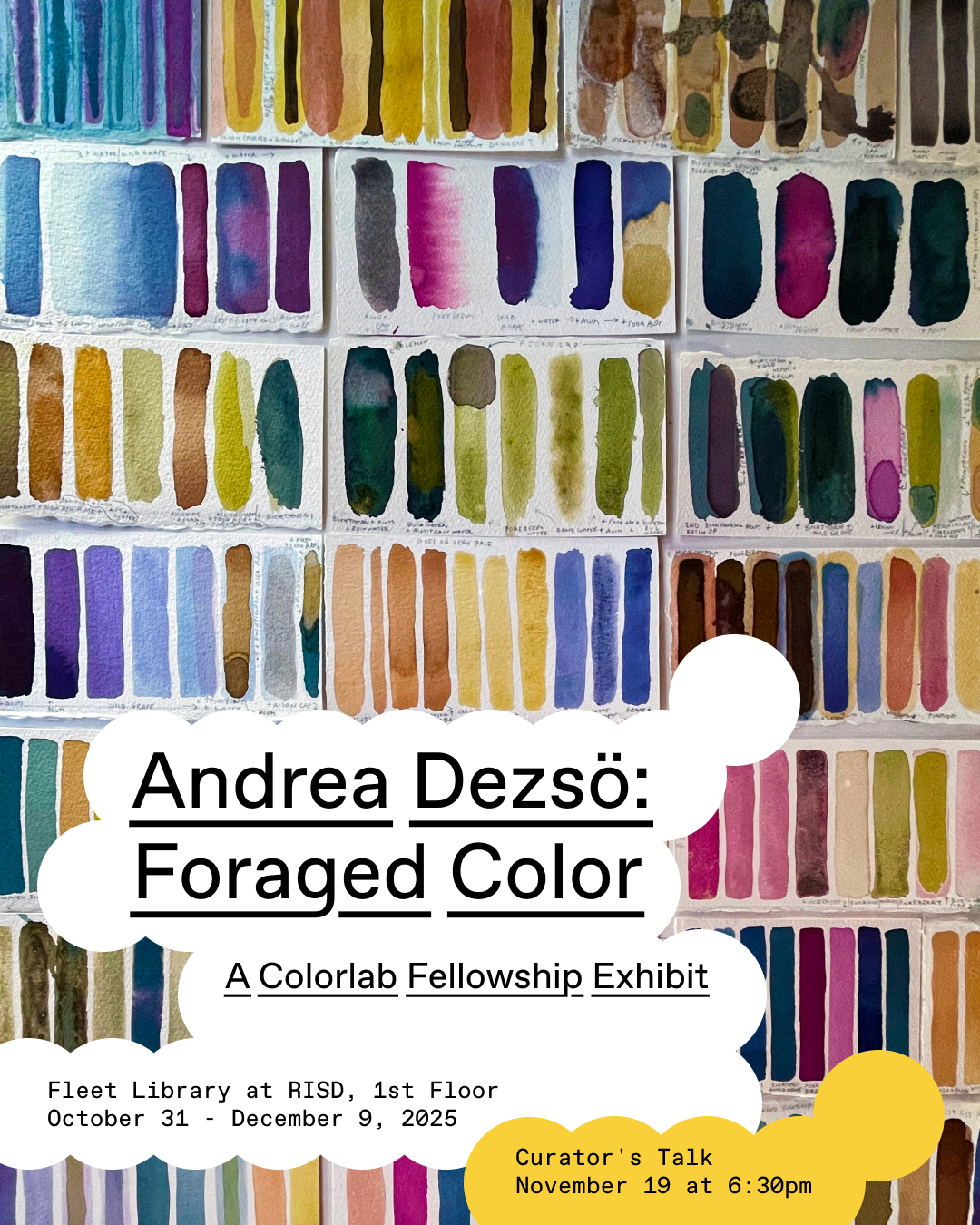
Foraged Color, A Color Lab Fellowship Exhibit, on view on the first floor of the Fleet Library at RISD, October 31 - December 9, 2025. Walk-through and Q&A with the Artist November 19, 2025 at 6:30pm
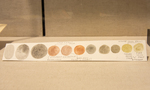
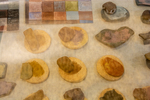
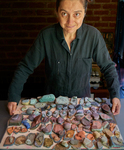
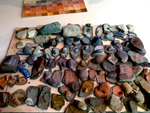
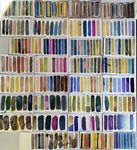
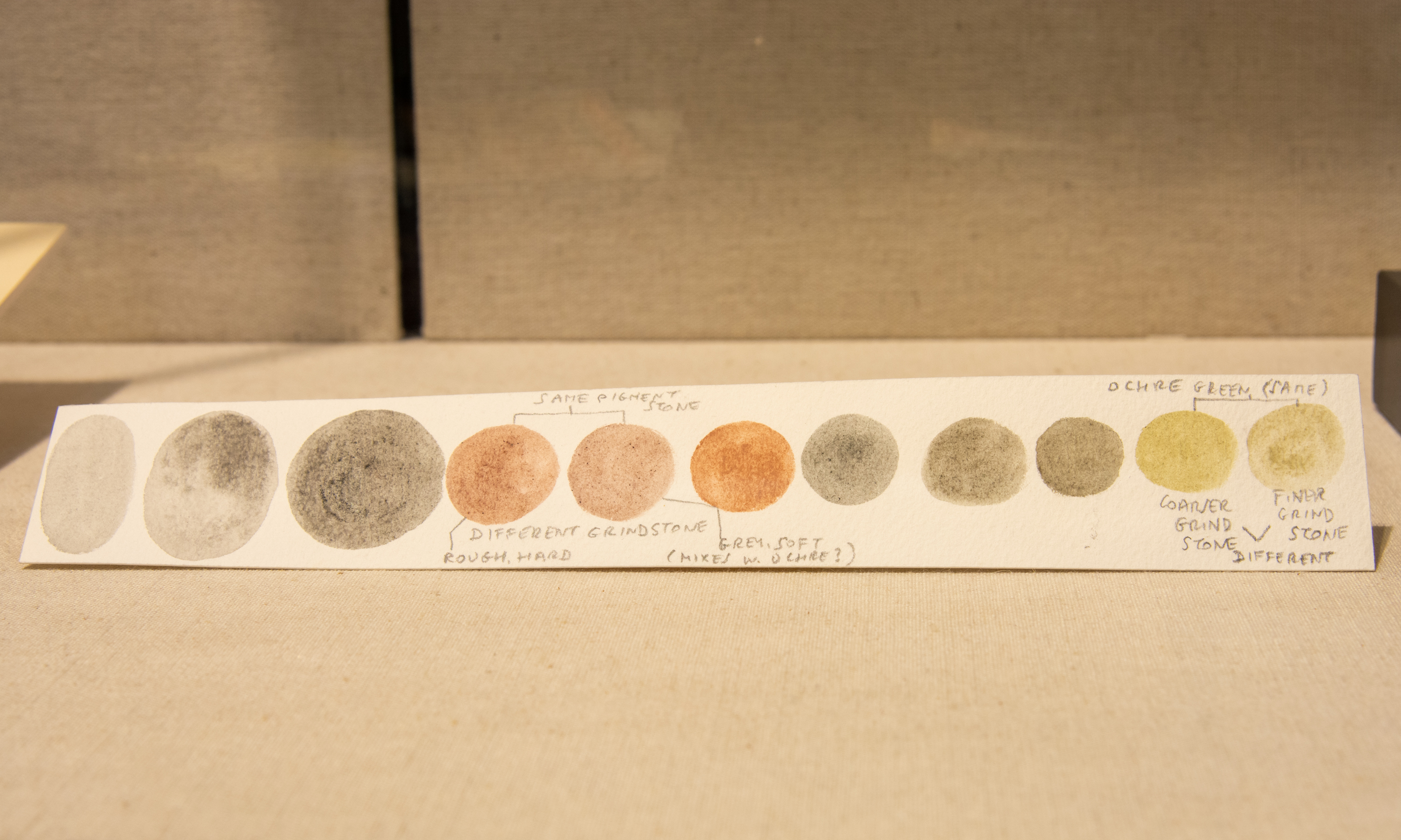
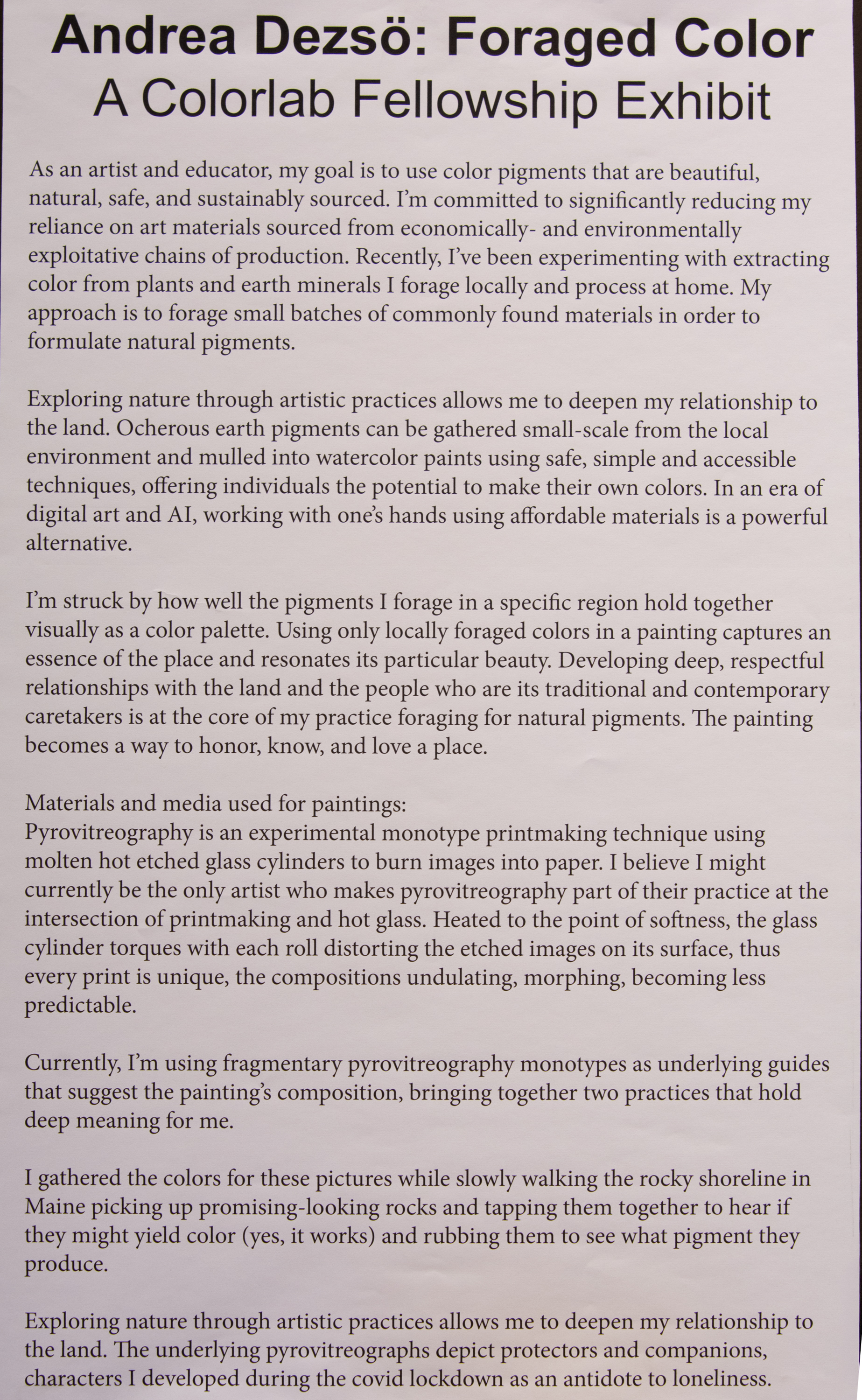
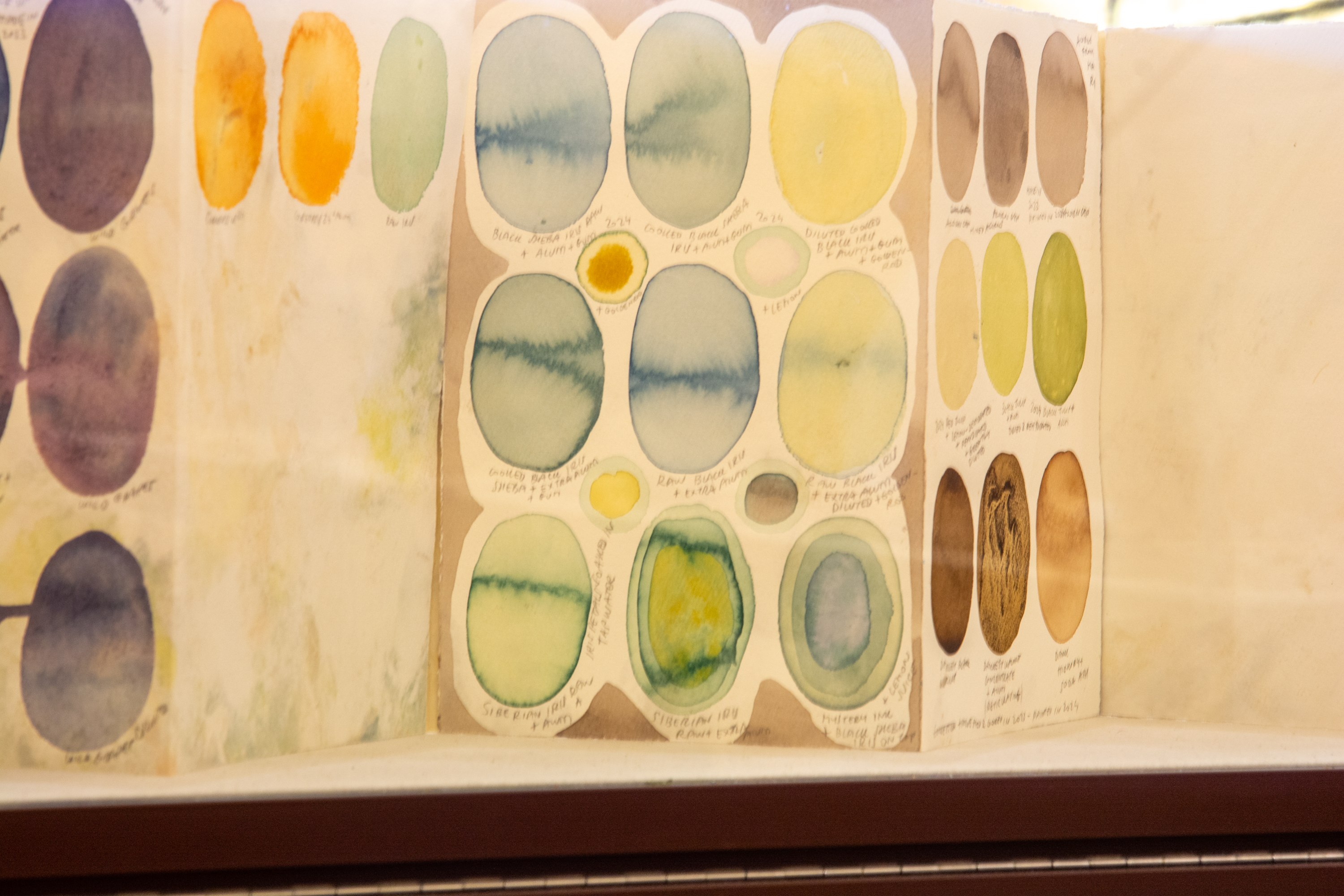
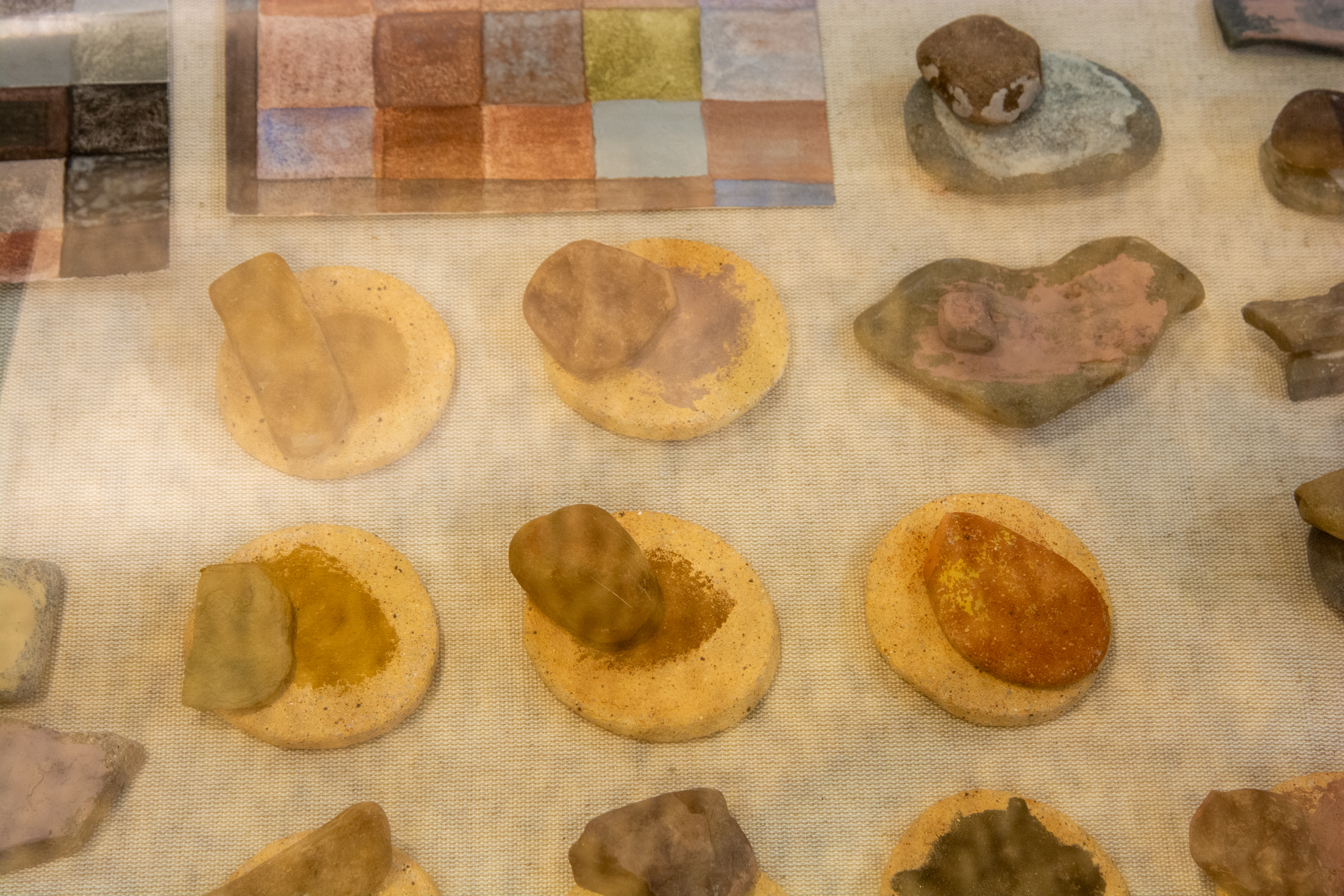
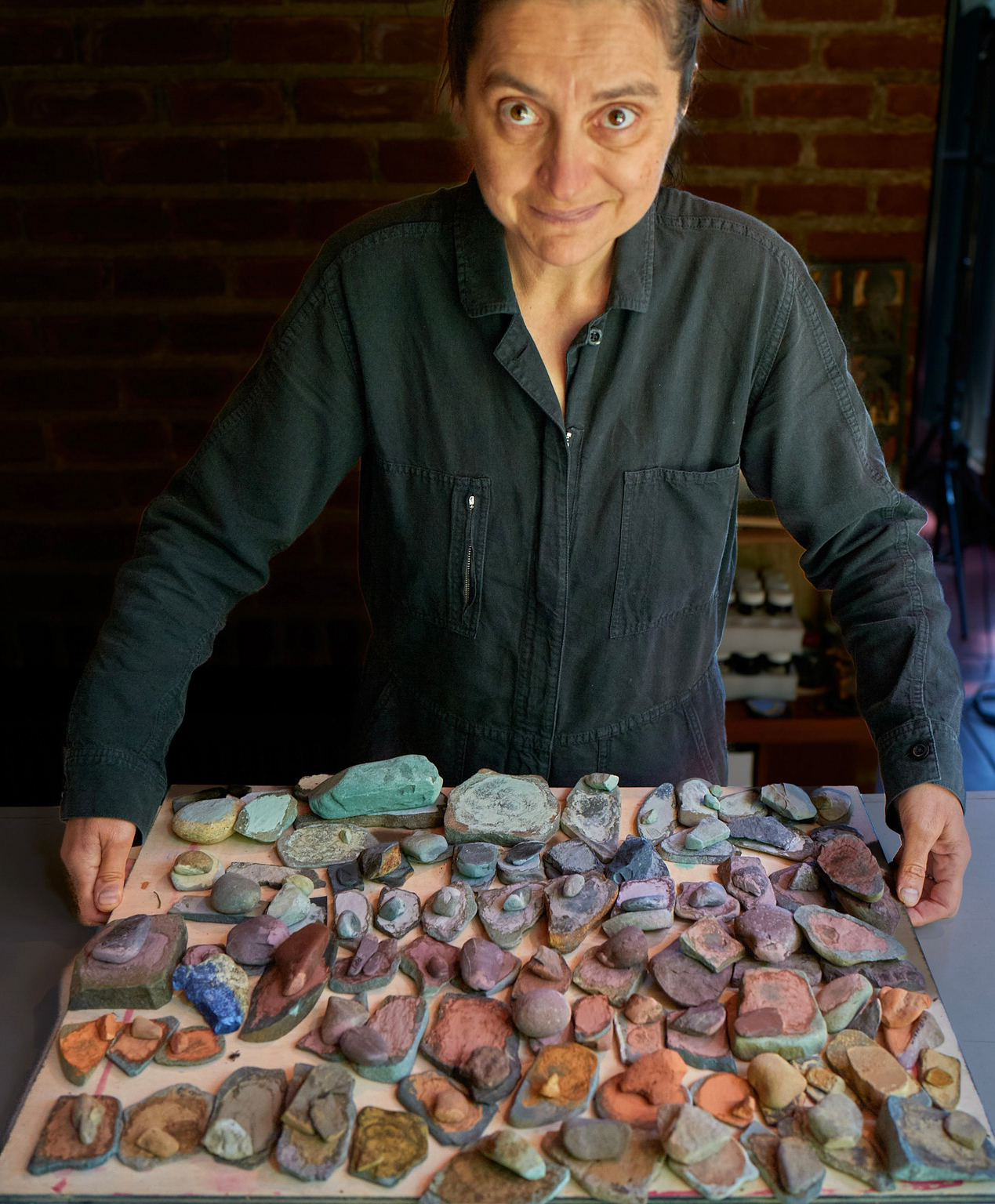
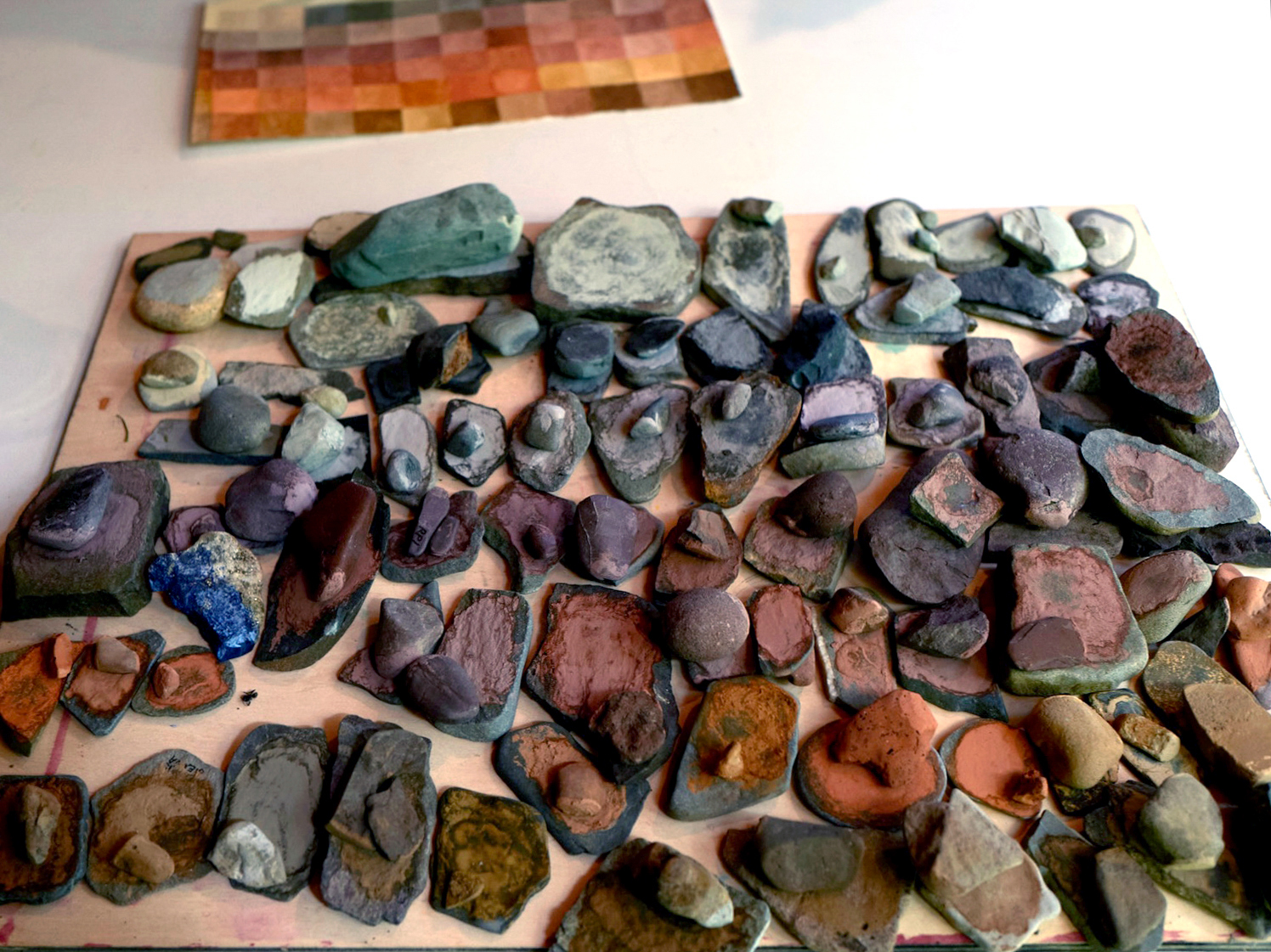
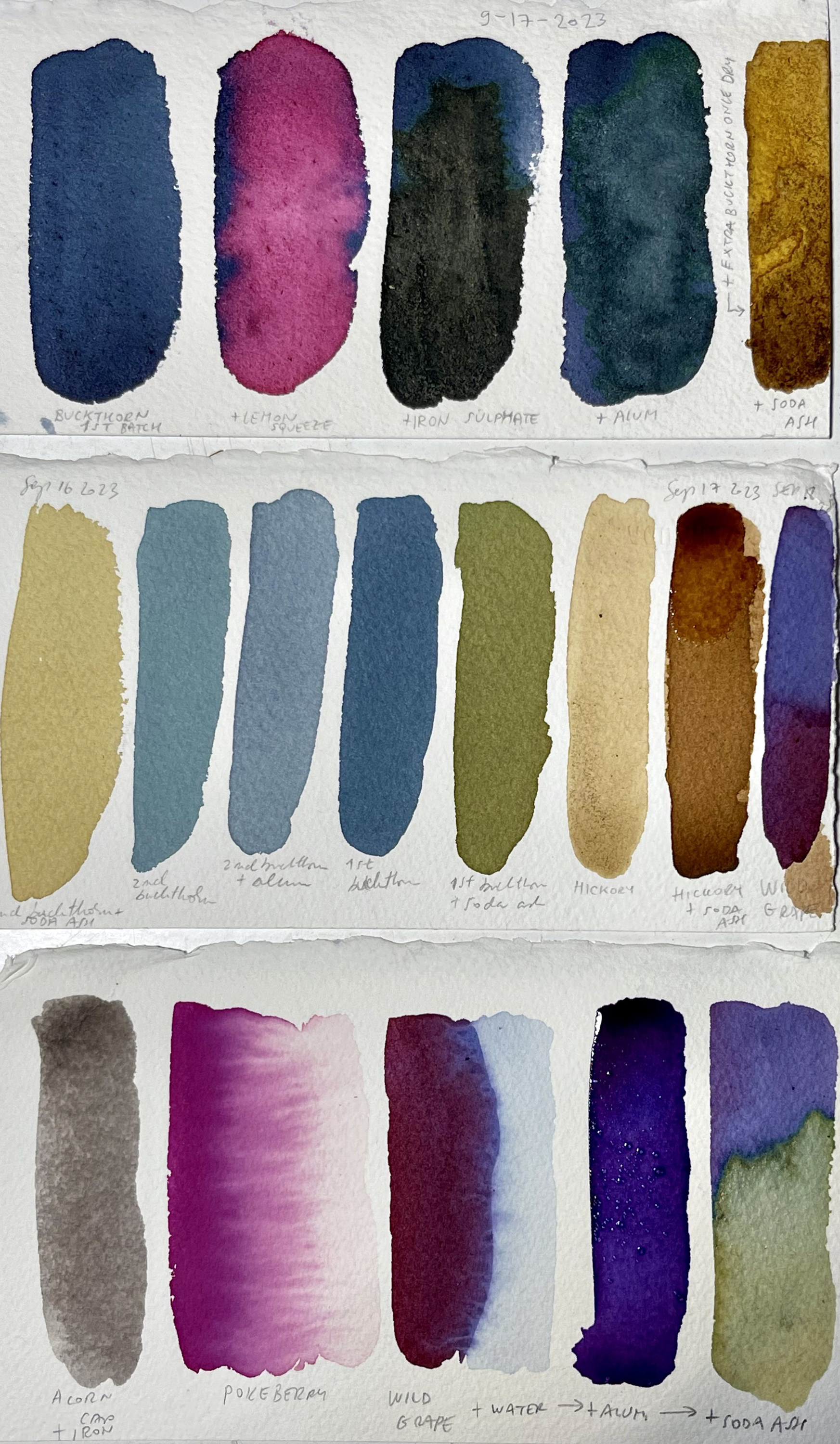
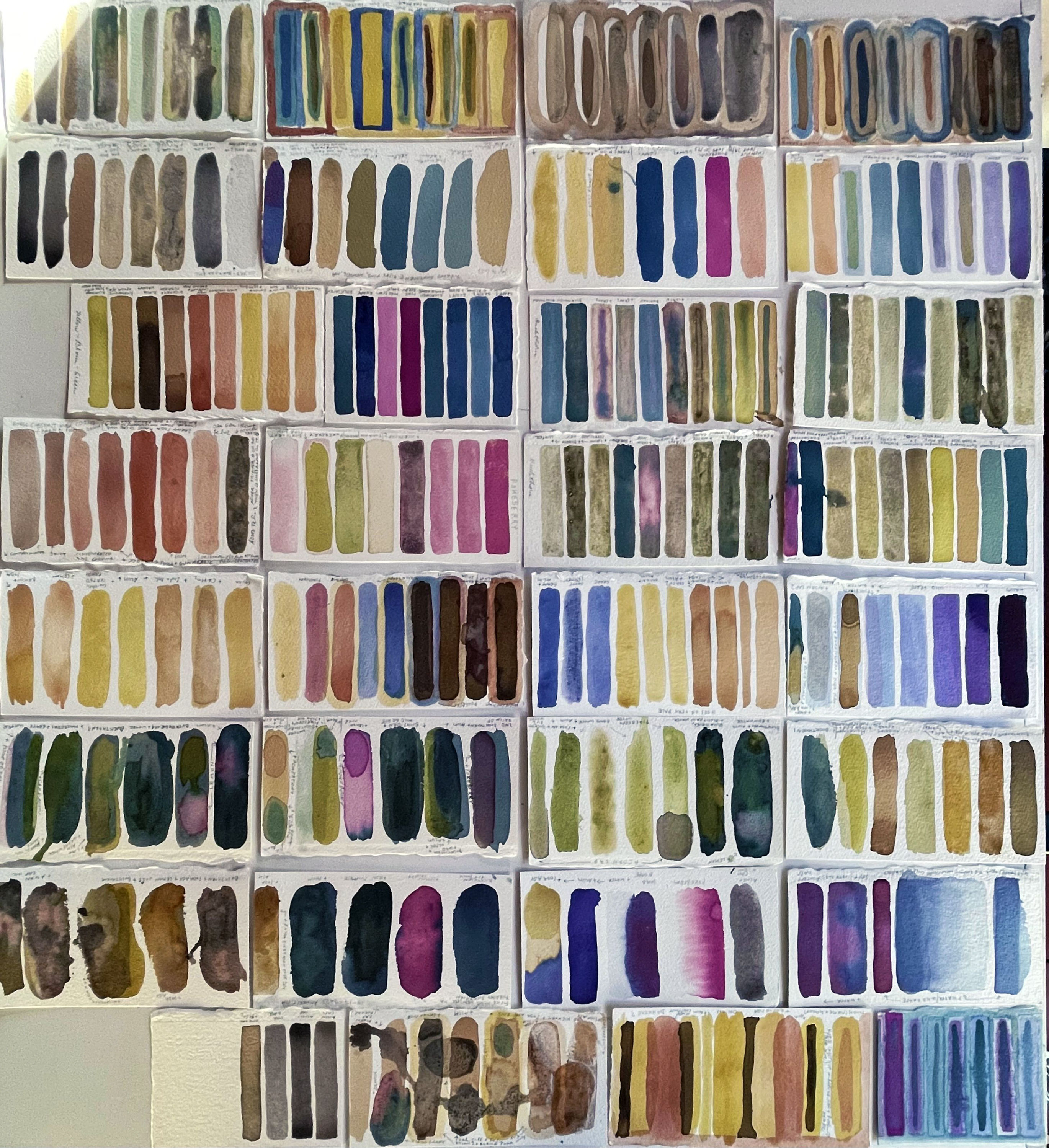
"As an artist and educator, my goal is to use color pigments that are beautiful, natural, safe, and sustainably sourced. I’m committed to significantly reducing my reliance on art materials sourced from economically- and environmentally exploitative chains of production. Recently, I’ve been experimenting with extracting color from plants and earth minerals I forage locally and process at home. My approach is to forage small batches of commonly found materials in order to formulate natural pigments.
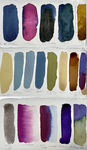
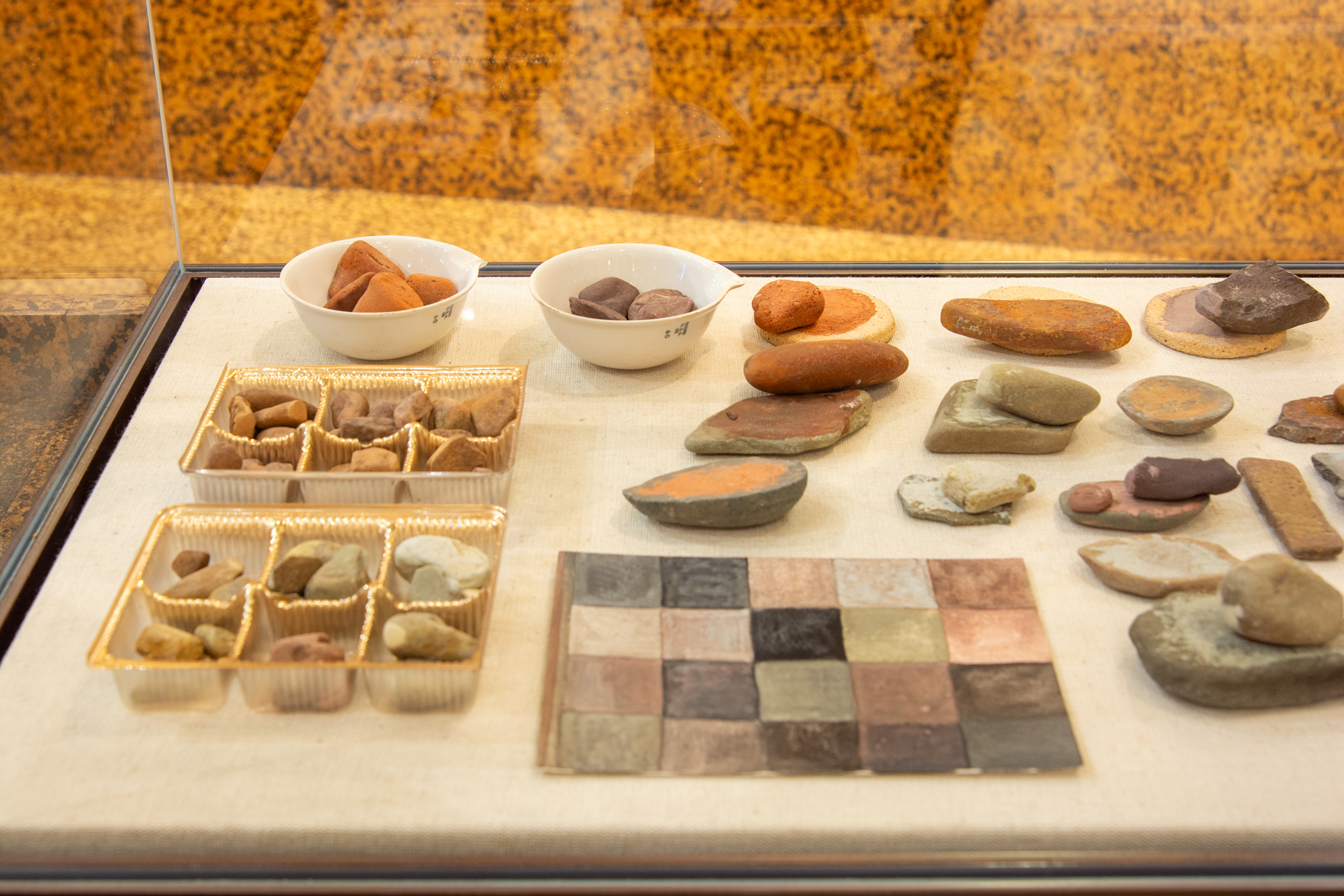
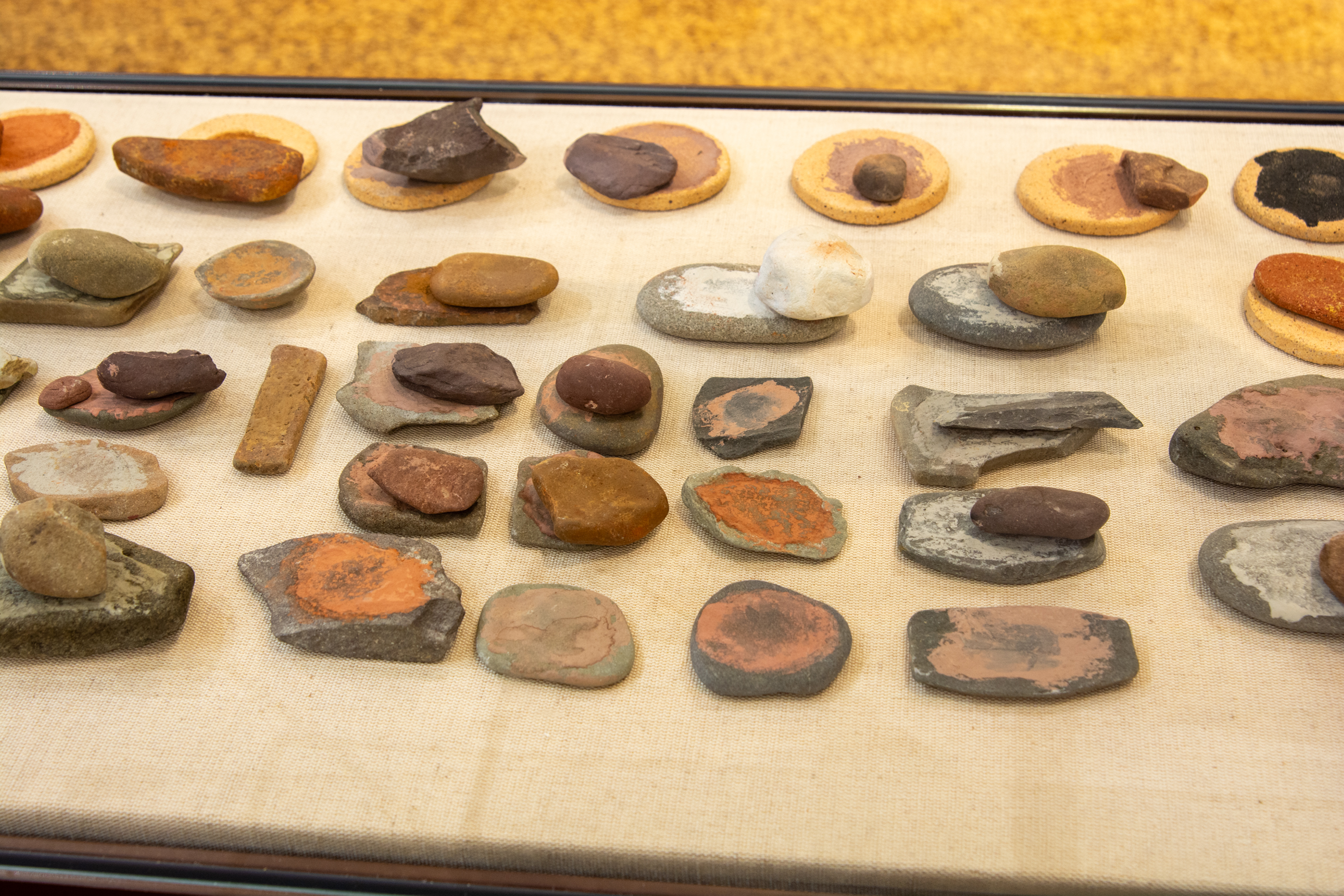
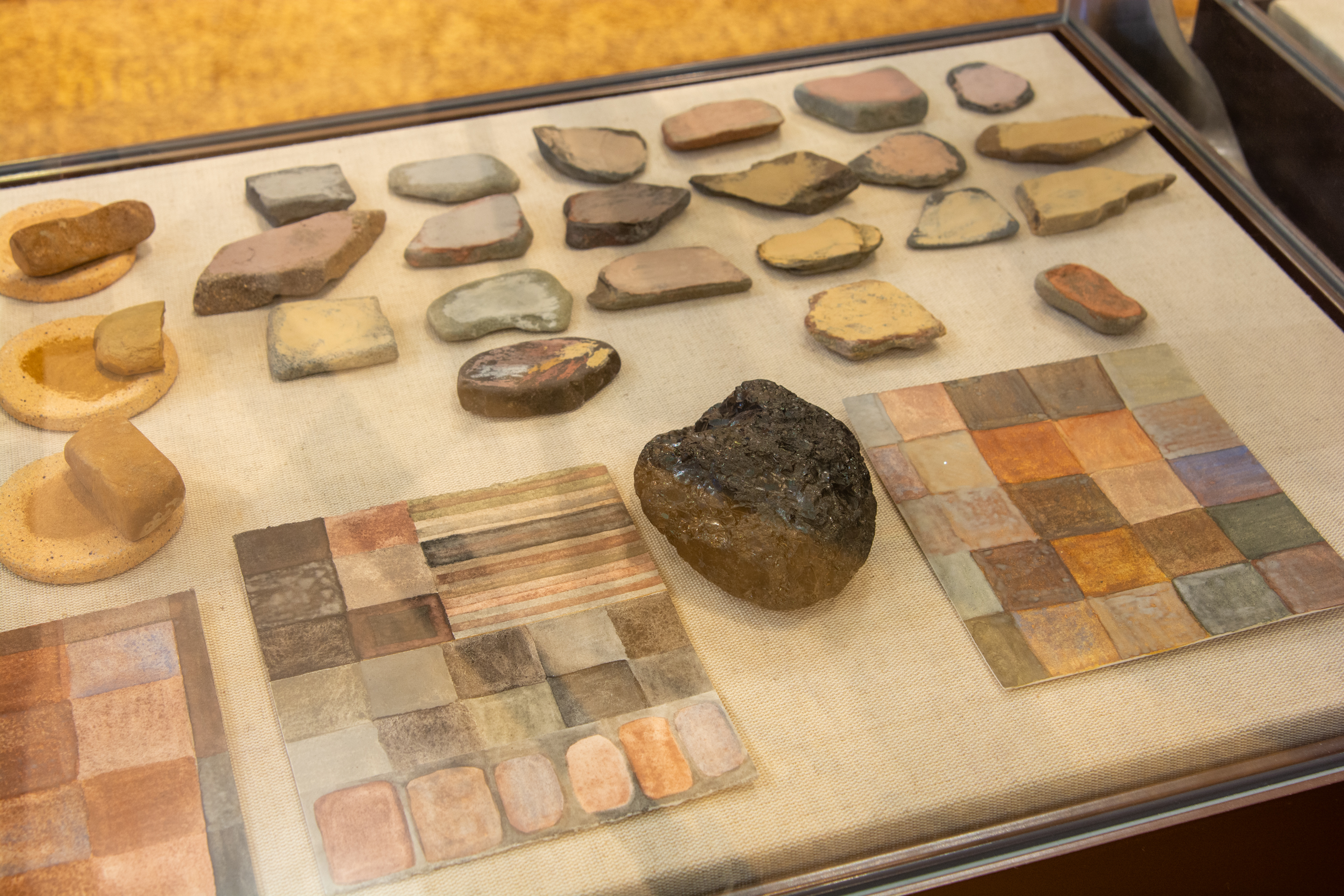
Exploring nature through artistic practices allows me to deepen my relationship to the land. Ocherous earth pigments can be gathered small-scale from the local environment and mulled into watercolor paints using safe, simple and accessible techniques, offering individuals the potential to make their own colors. In an era of digital art and AI, working with one’s hands using affordable materials is a powerful alternative.
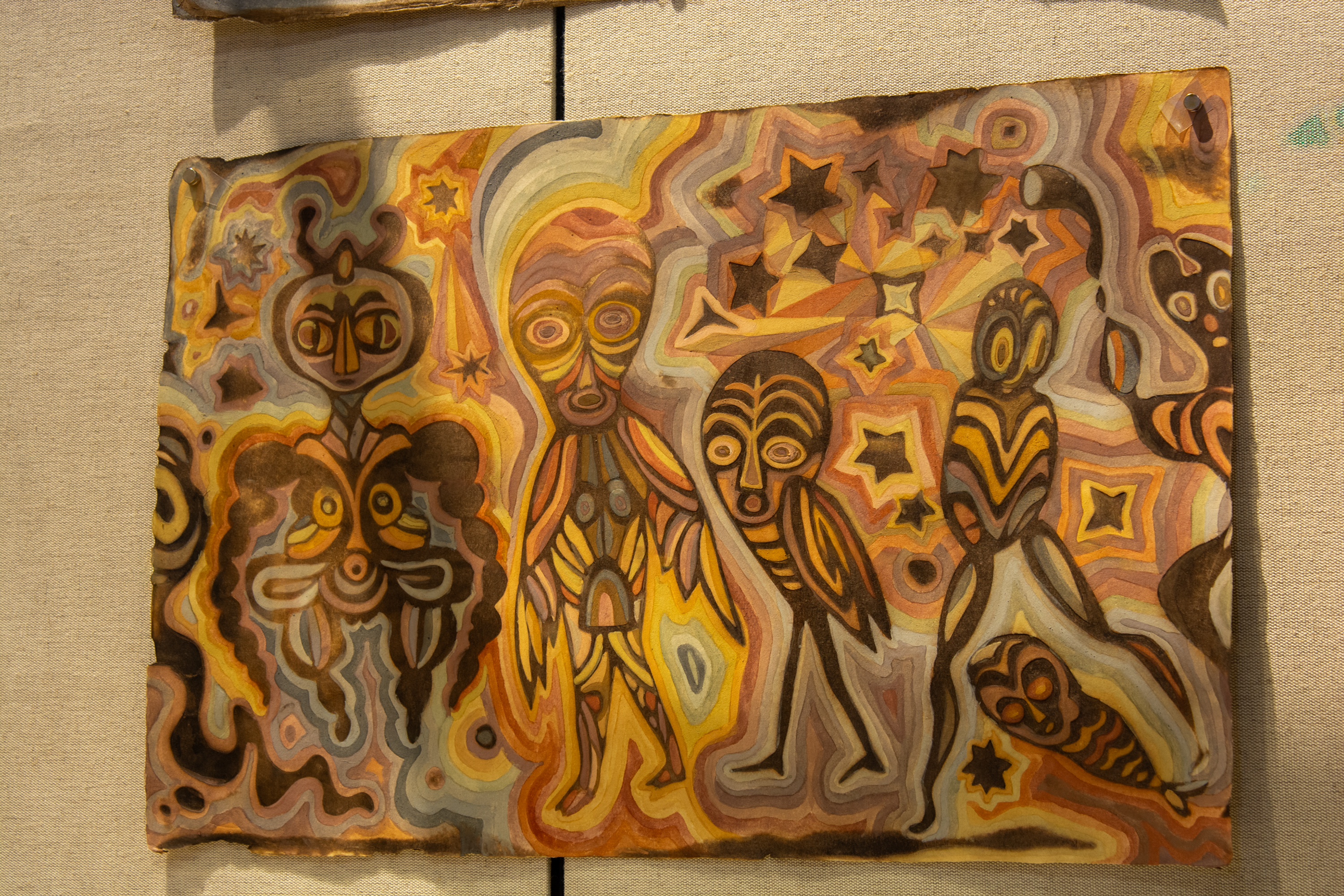
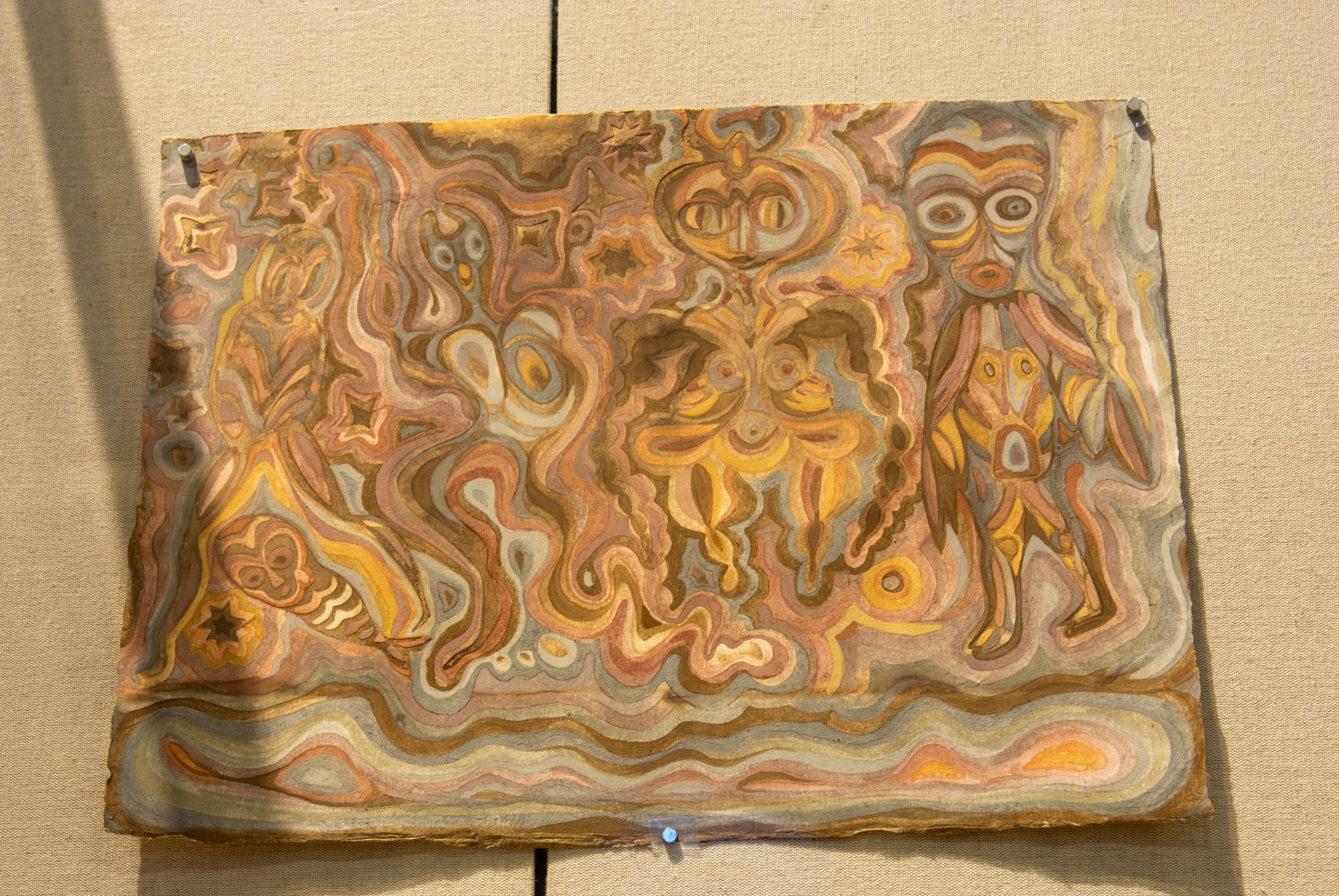
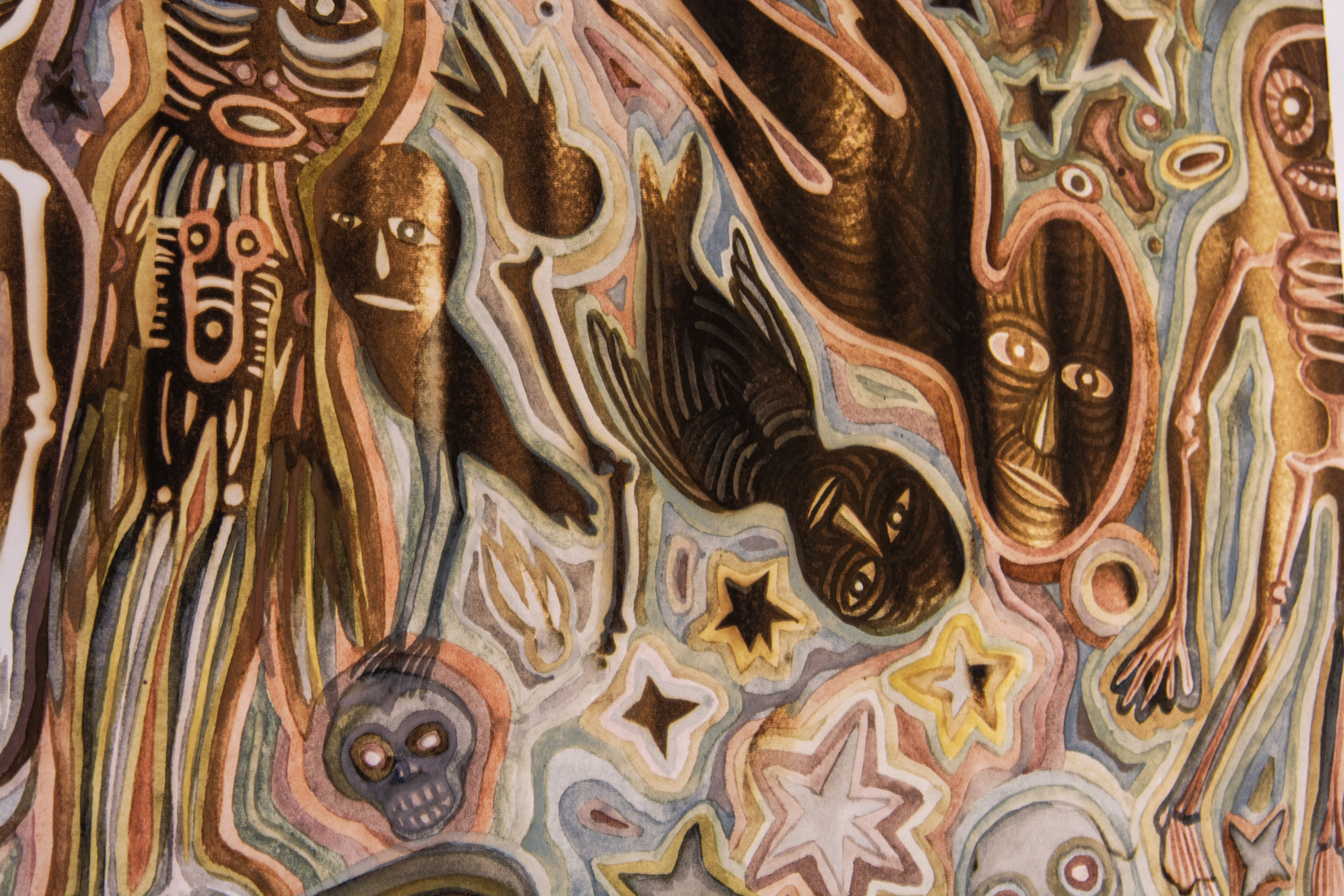
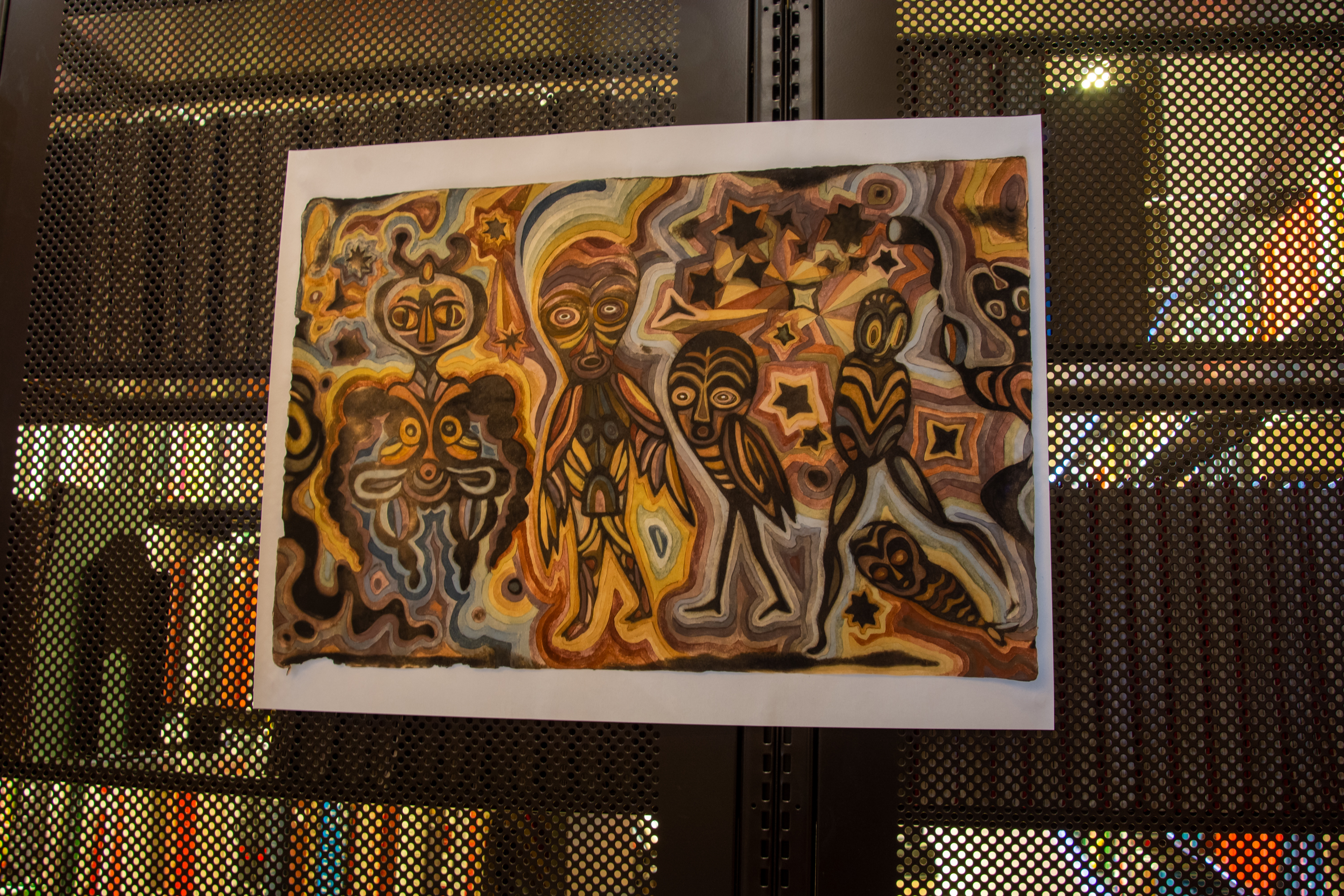
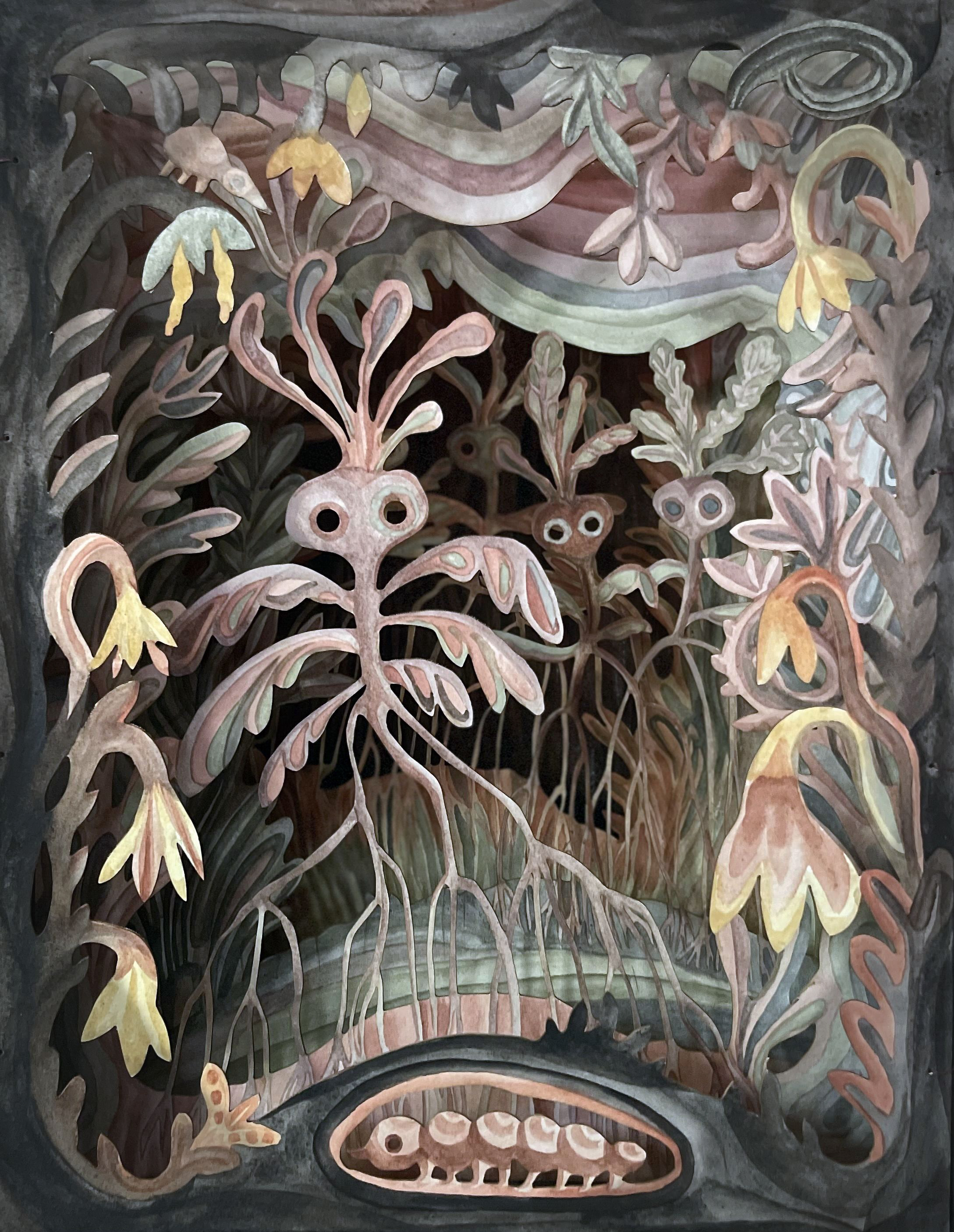
I’m struck by how well the pigments I forage in a specific region hold together visually as a color palette. Using only locally foraged colors in a painting captures an essence of the place and resonates its particular beauty. Developing deep, respectful relationships with the land and the people who are its traditional and contemporary caretakers is at the core of my practice foraging for natural pigments. The painting becomes a way to honor, know, and love a place.
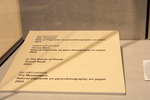
Materials and media used for paintings:
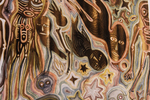
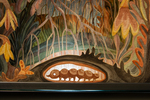
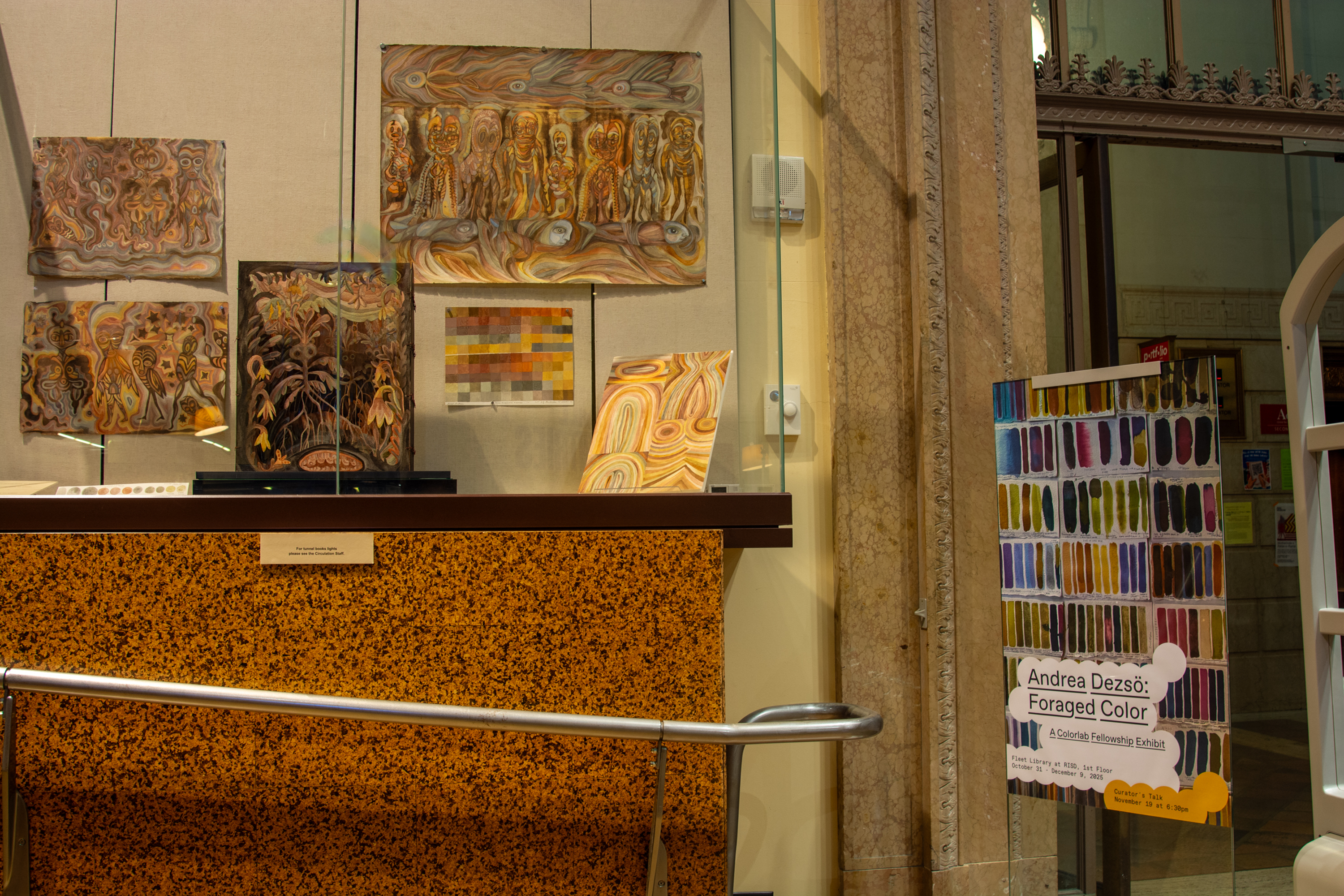
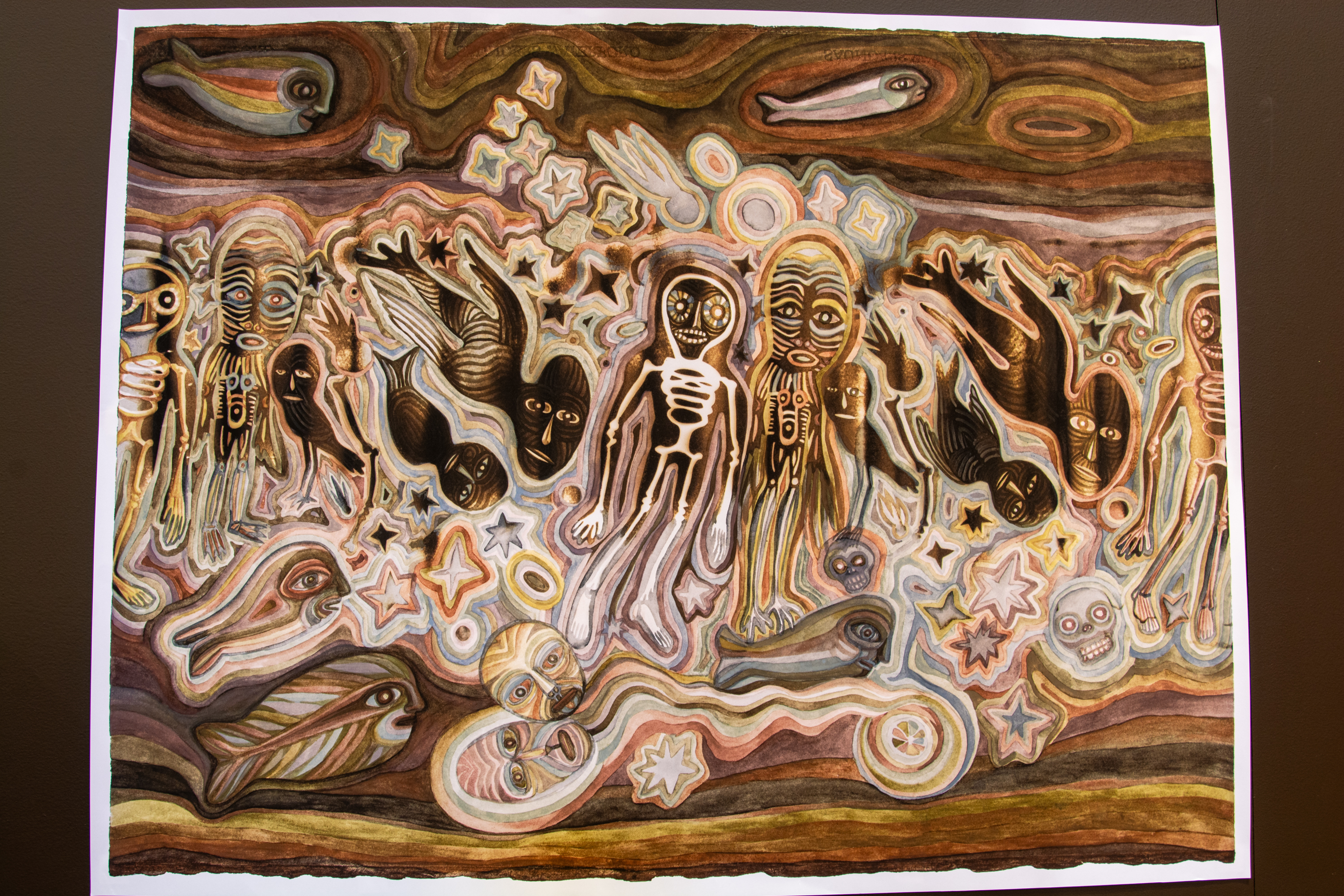
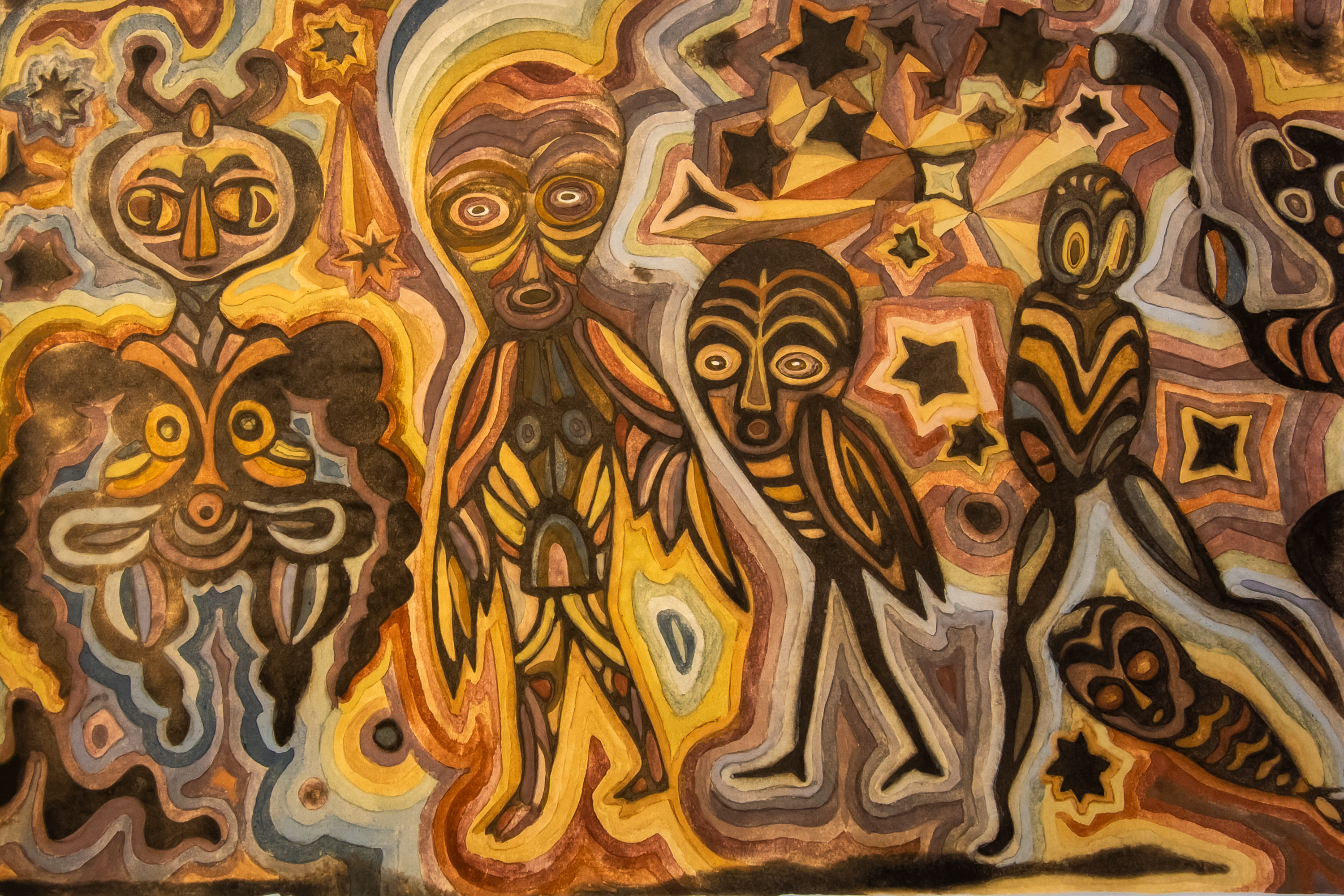
Pyrovitreography is an experimental monotype printmaking technique using molten hot etched glass cylinders to burn images into paper. I believe I might currently be the only artist who makes pyrovitreography part of their practice at the intersection of printmaking and hot glass. Heated to the point of softness, the glass cylinder torques with each roll distorting the etched images on its surface, thus every print is unique, the compositions undulating, morphing, becoming less predictable.
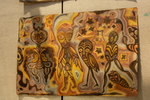
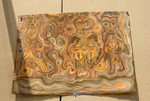
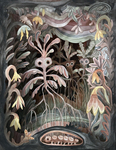
Currently, I’m using fragmentary pyrovitreography monotypes as underlying guides that suggest the painting’s composition, bringing together two practices that hold deep meaning for me.
I gathered the colors for these pictures while slowly walking the rocky shoreline in Maine picking up promising-looking rocks and tapping them together to hear if they might yield color (yes, it works) and rubbing them to see what pigment they produce. Exploring nature through artistic practices allows me to deepen my relationship to the land. The underlying pyrovitreographs depict protectors and companions, characters I developed during the covid lockdown as an antidote to loneliness. "– Andrea Dezsö
Above: pyrovitreography process developed by Andrea Dezsö.