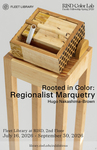
2026 Rooted in Color | Expanding the Color Pallette of Regional Marquetry | Hugo Nakashima-Brown Color Lab Fellowship
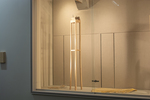
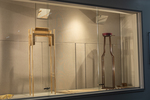
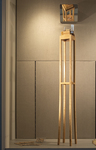
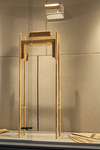
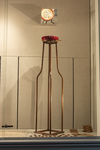
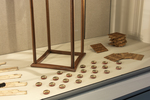
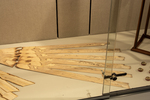
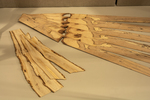
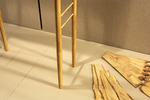
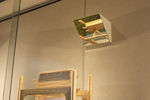
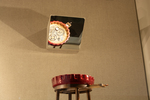
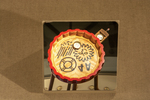
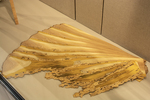
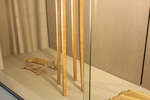
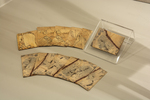
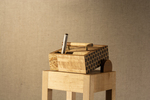
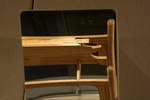
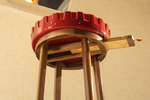
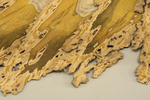
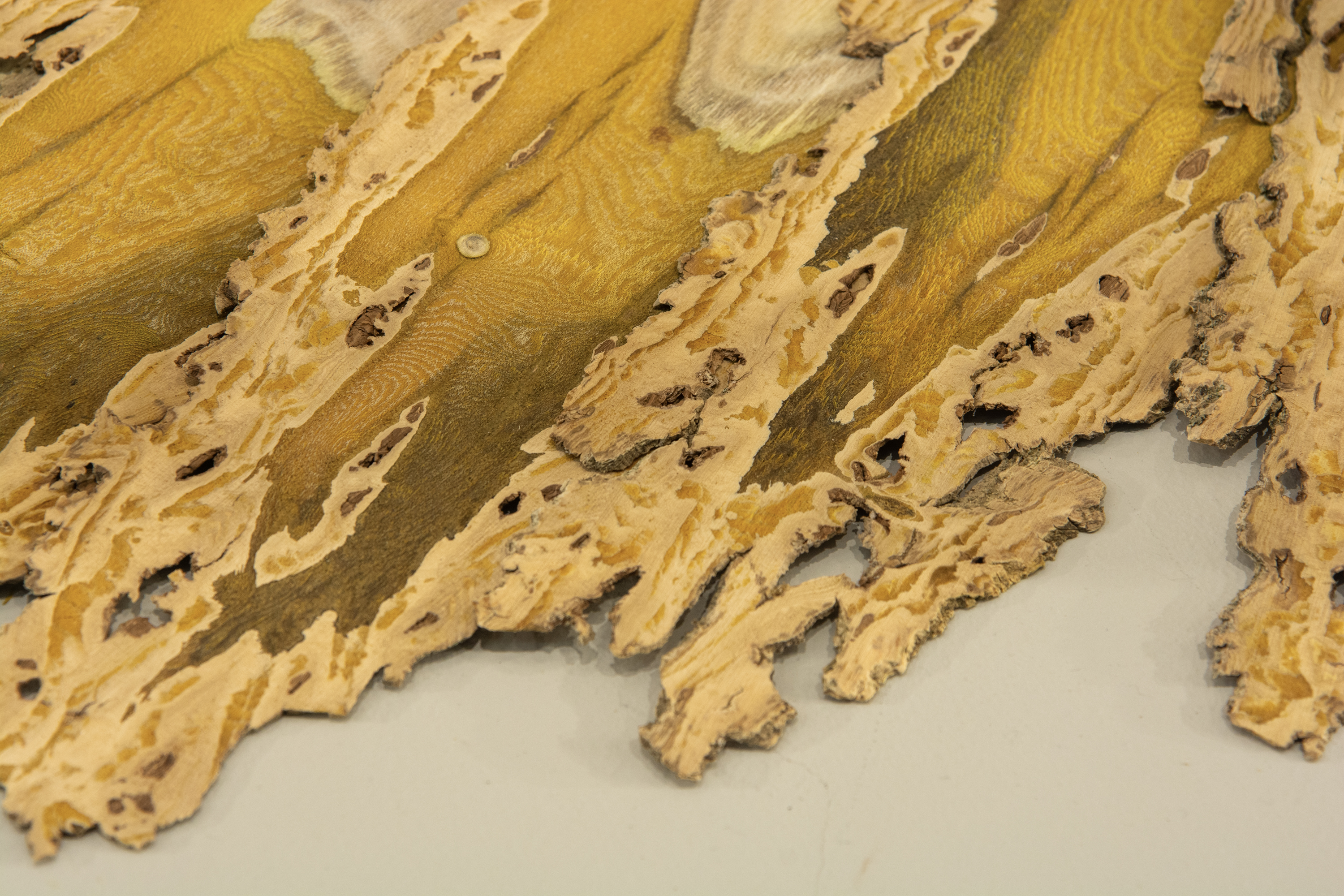
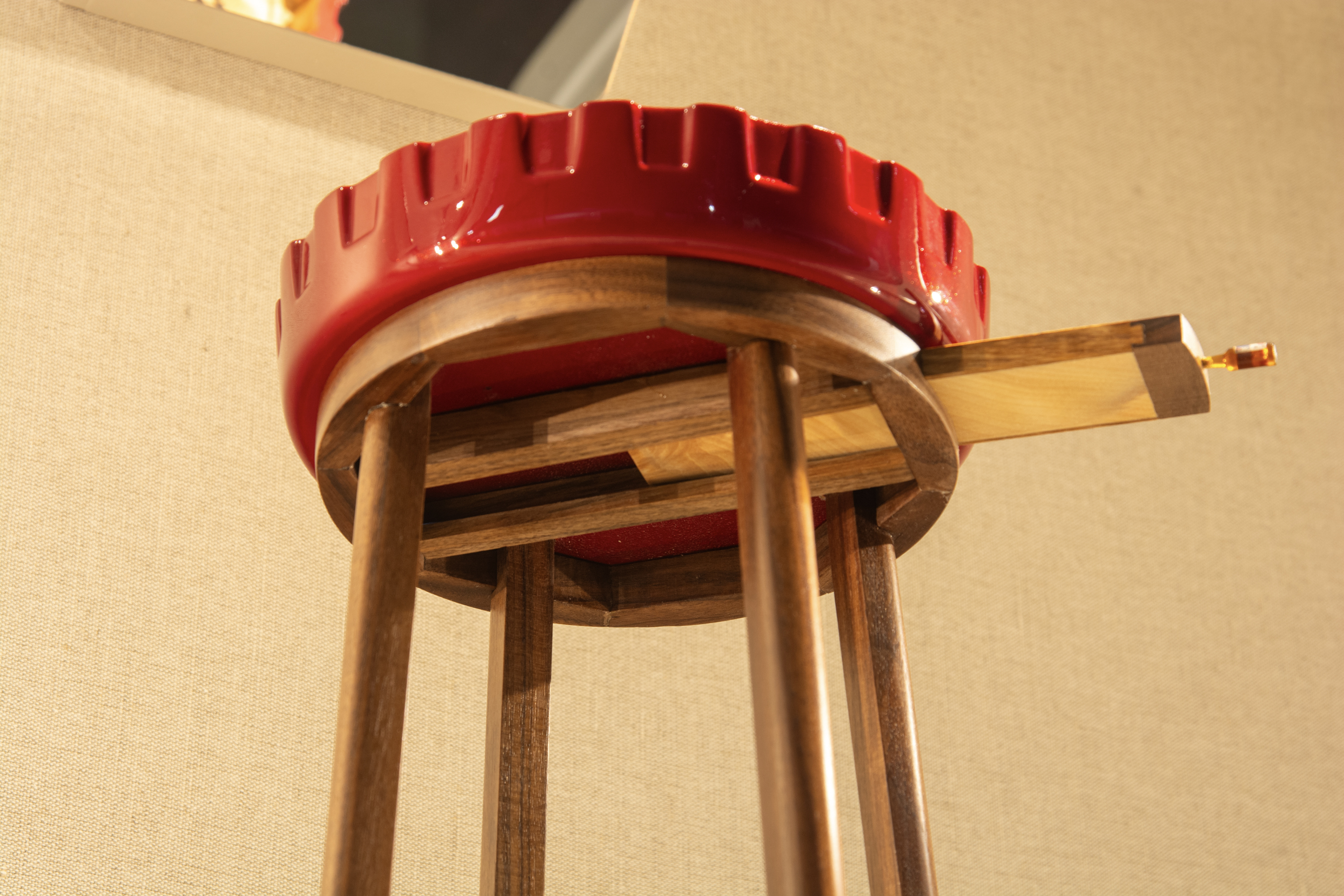
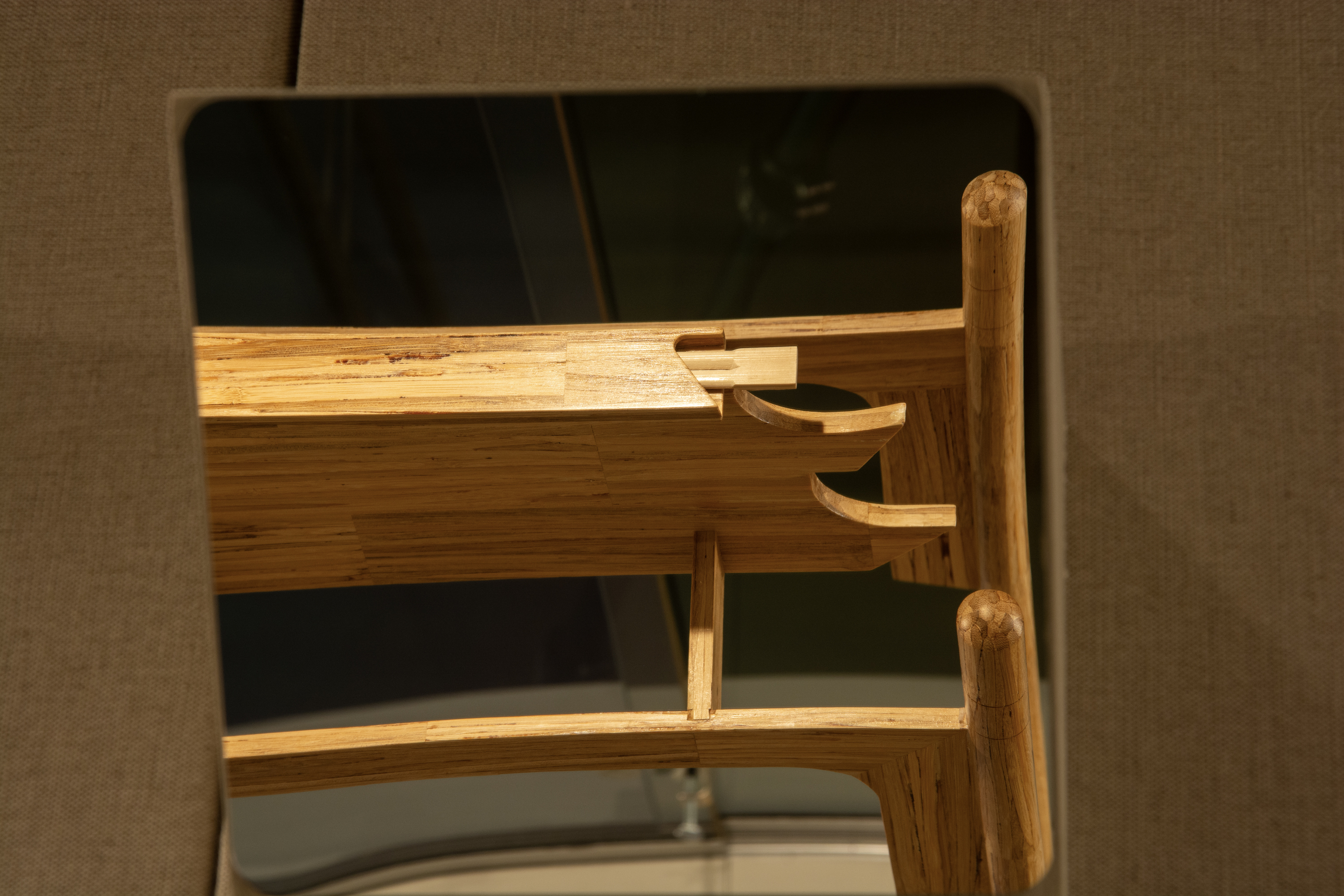
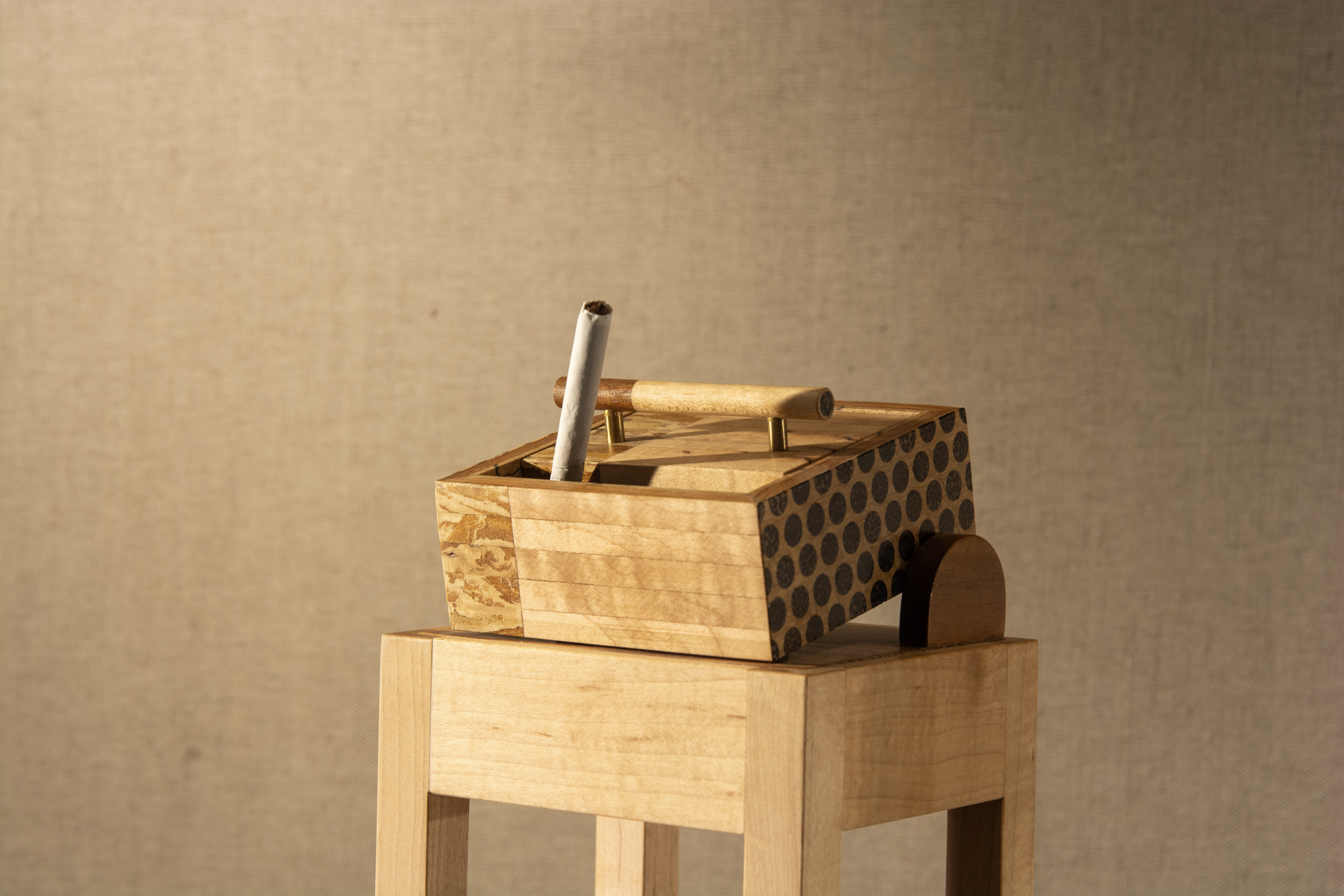
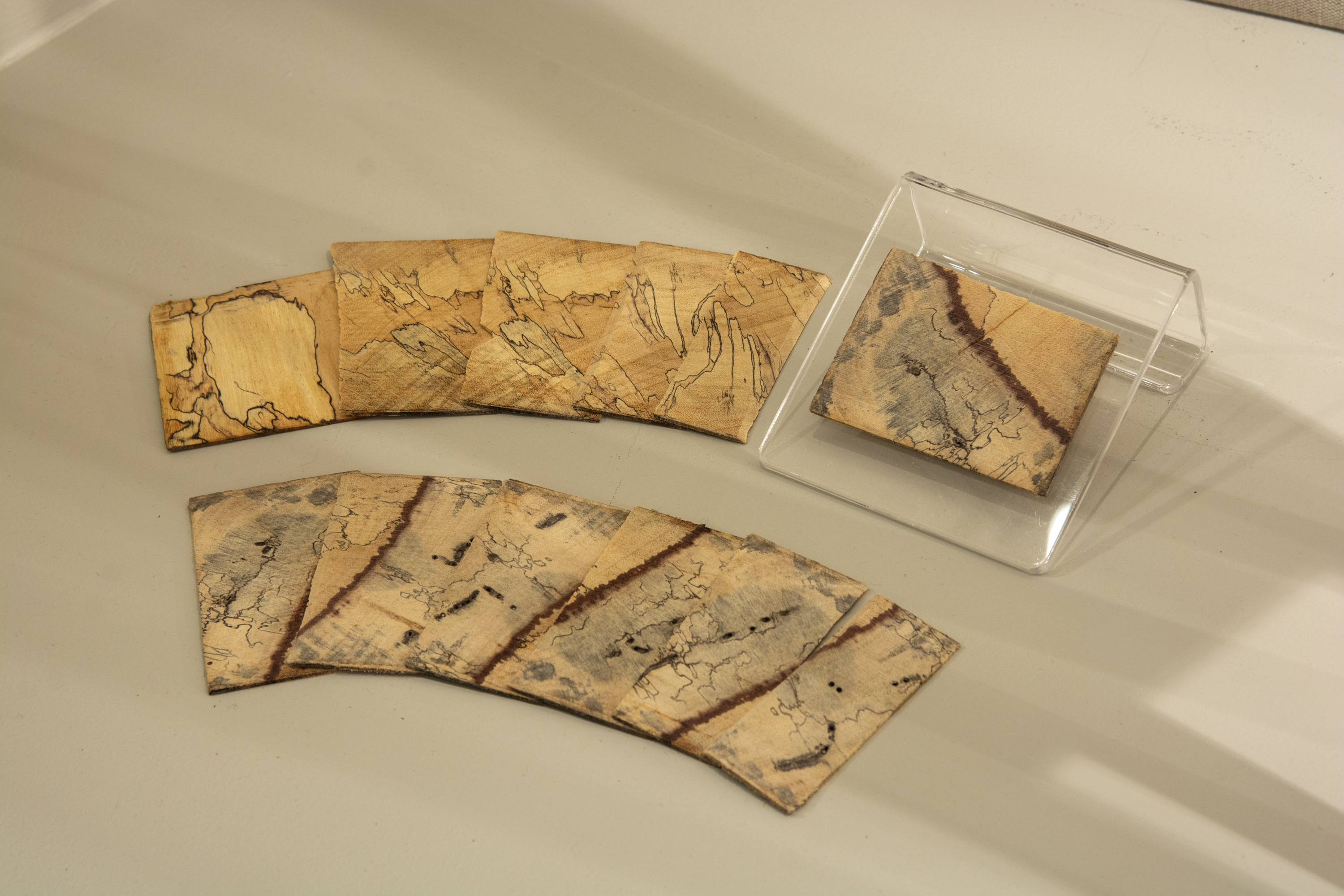
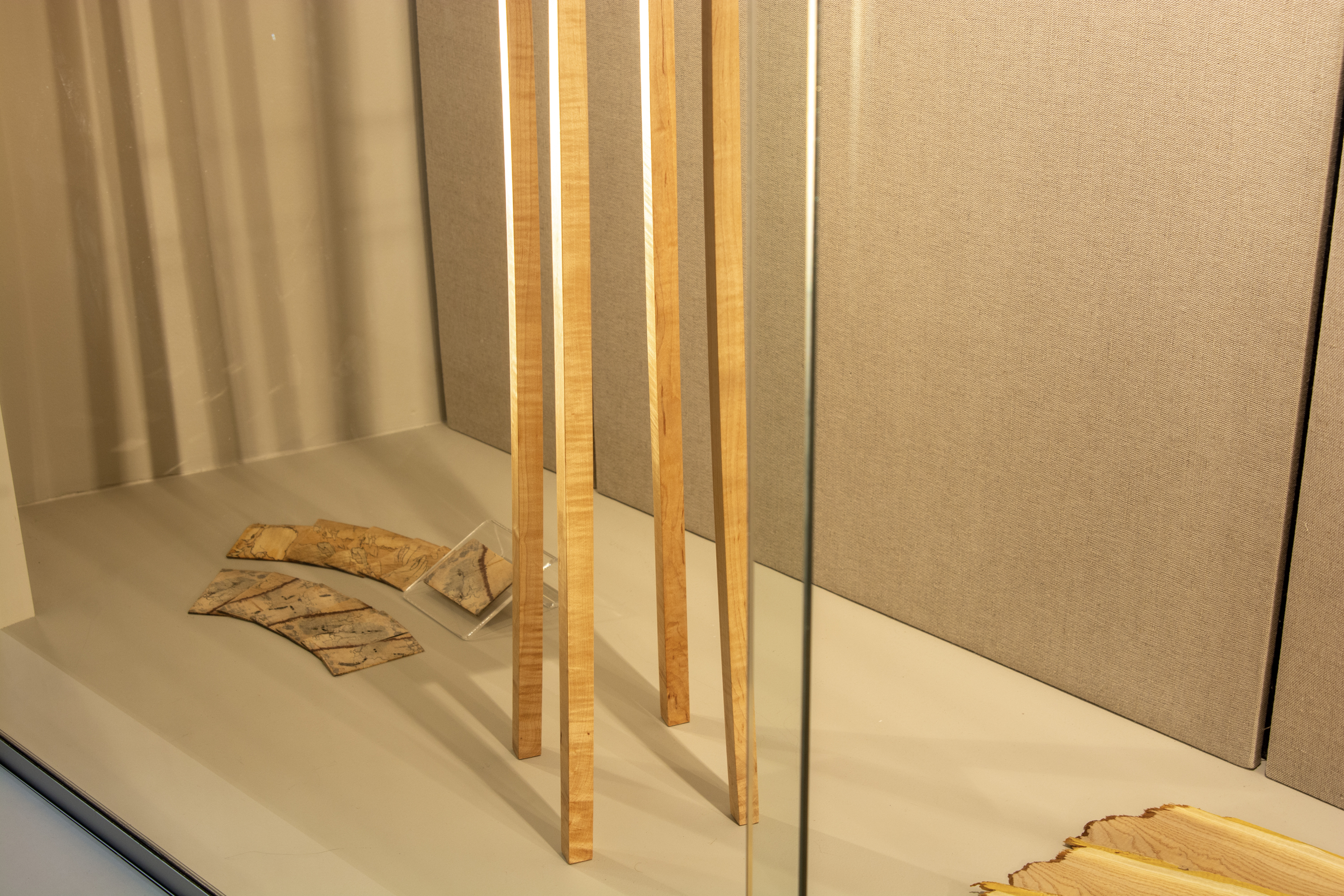
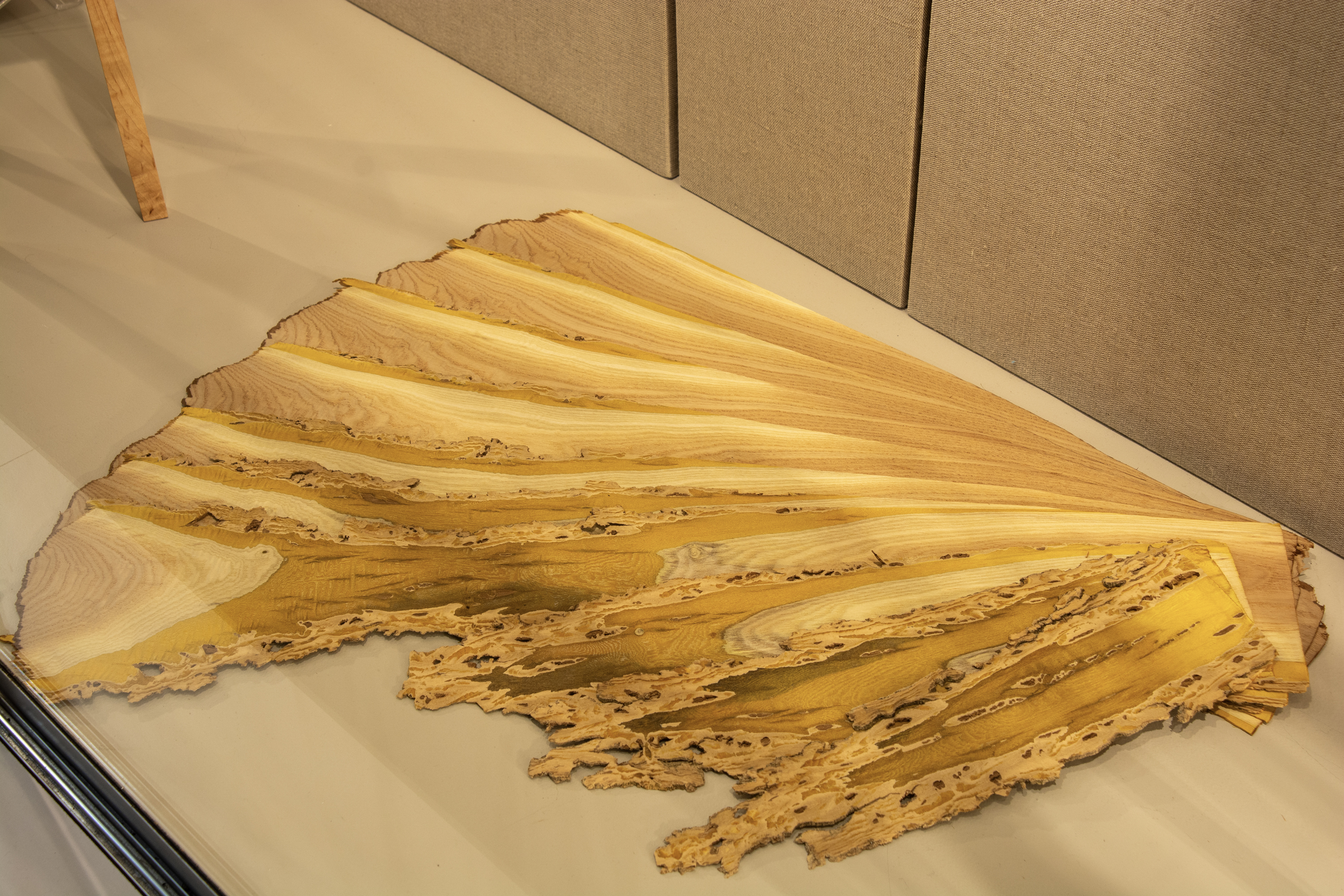
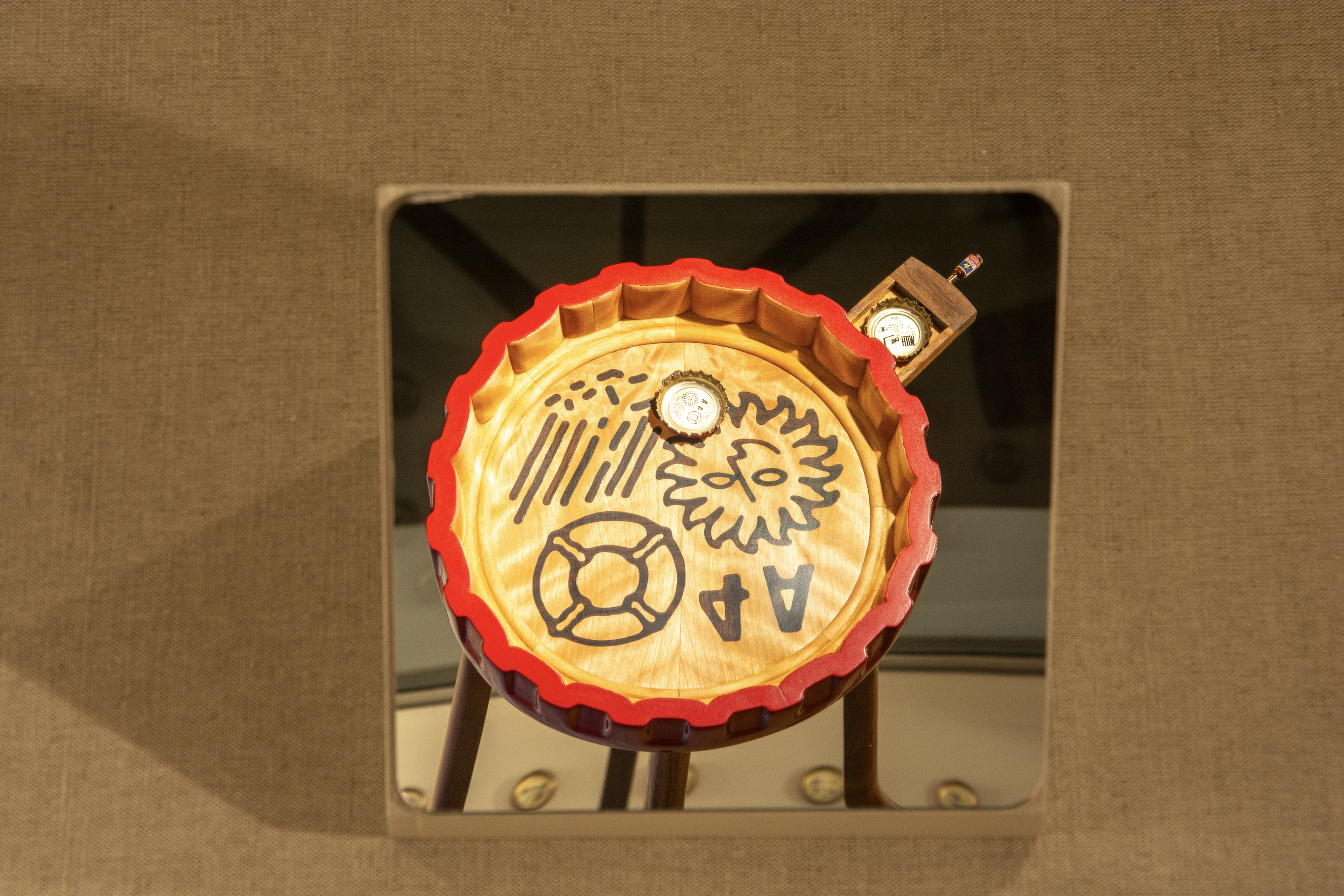
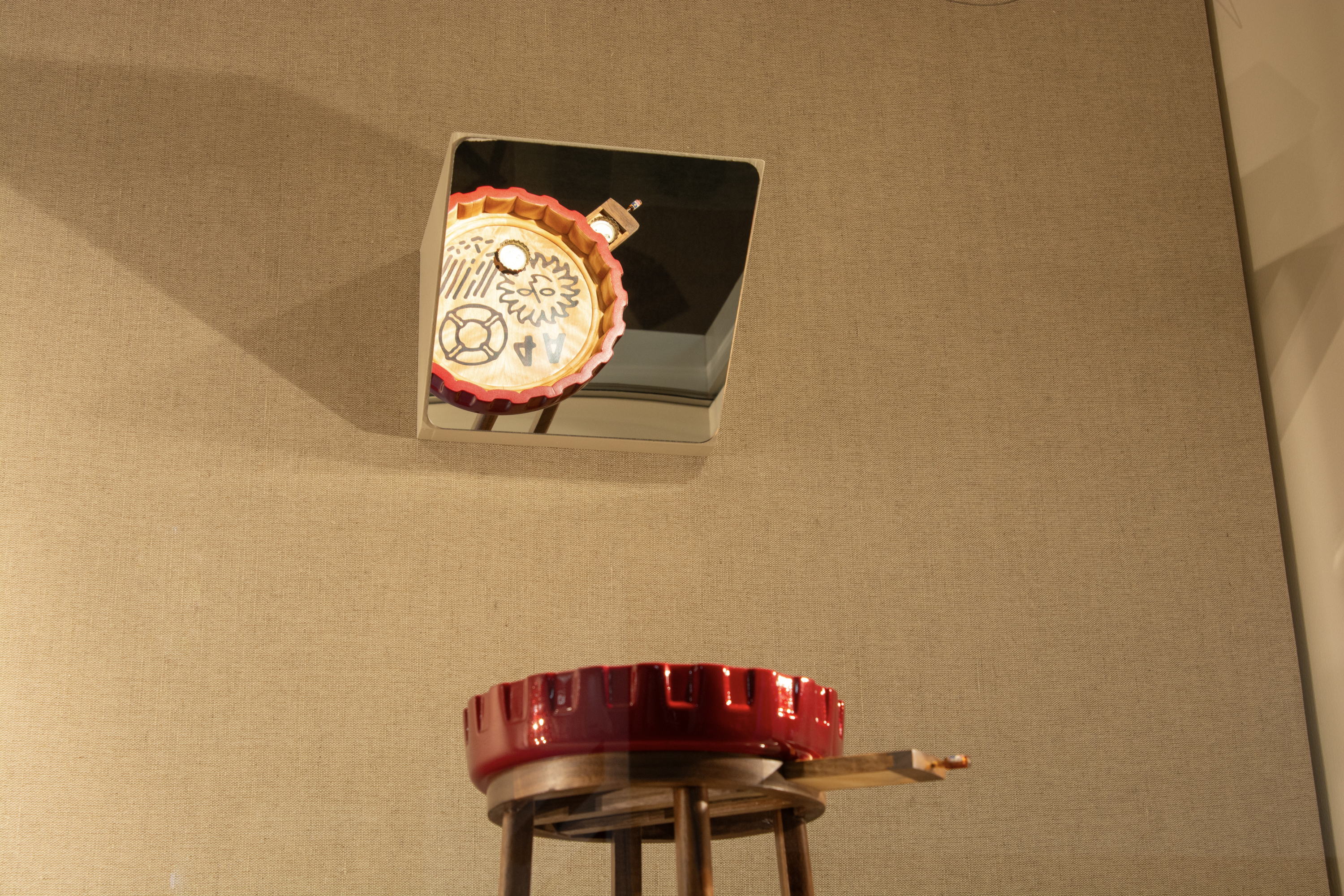
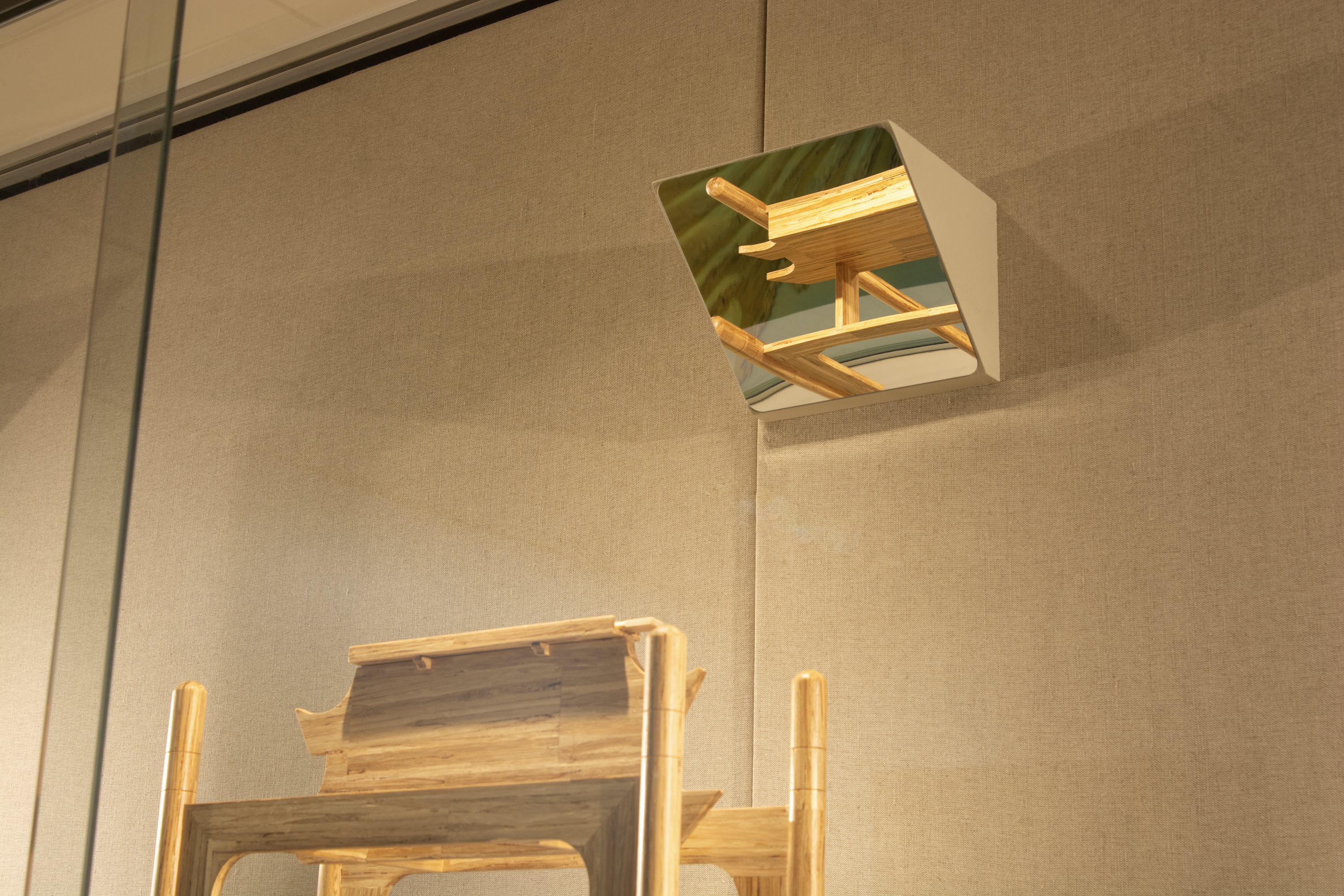
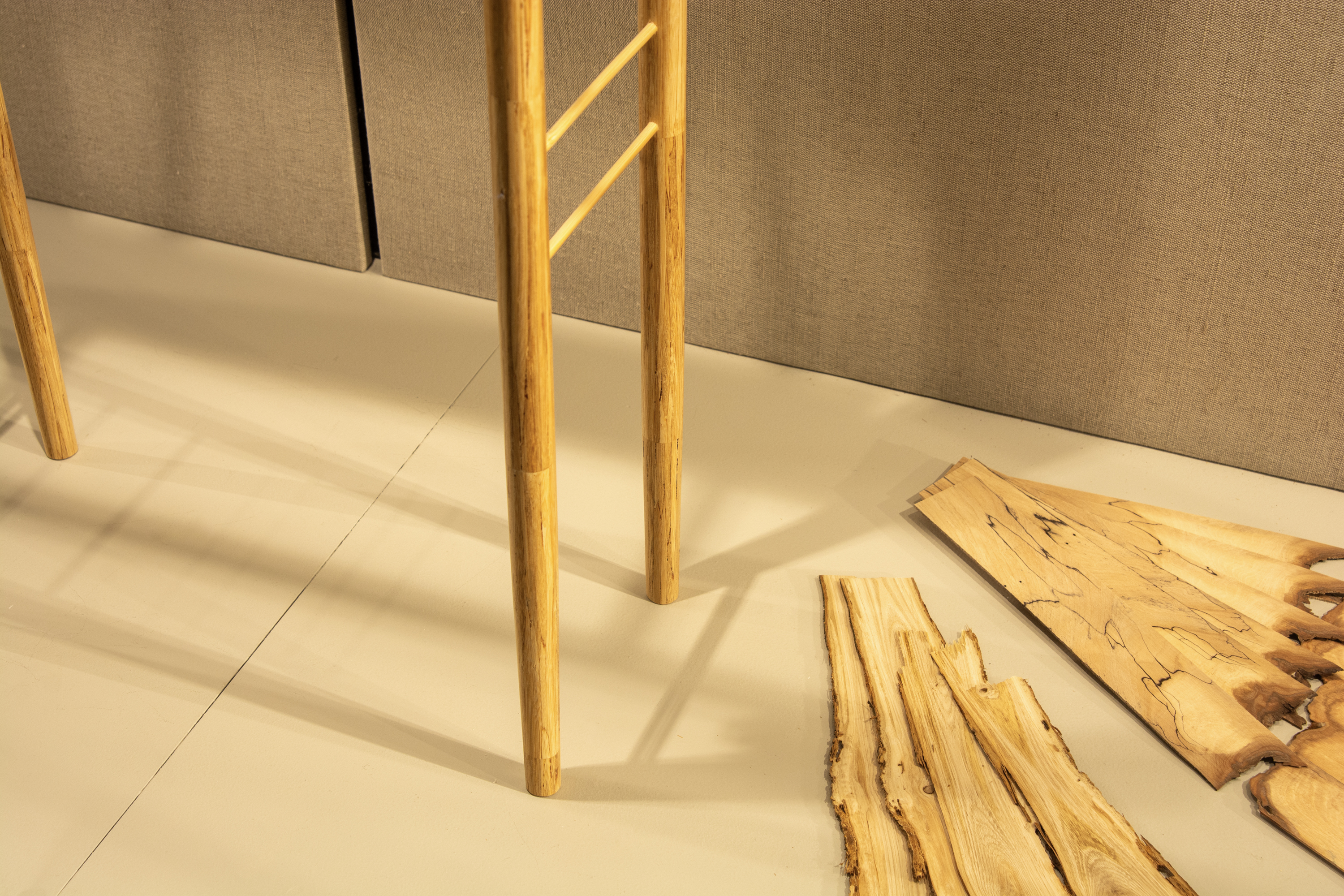
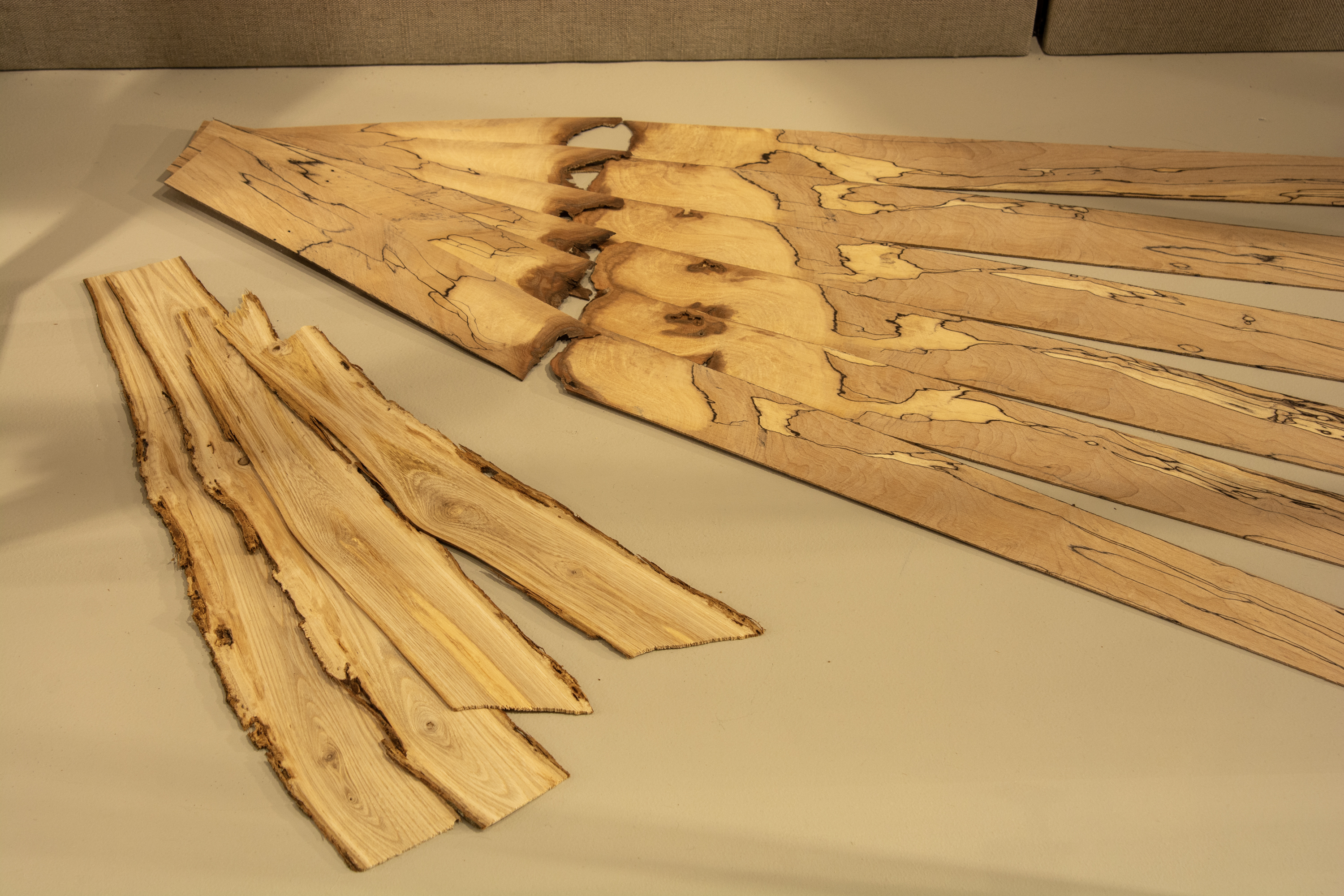
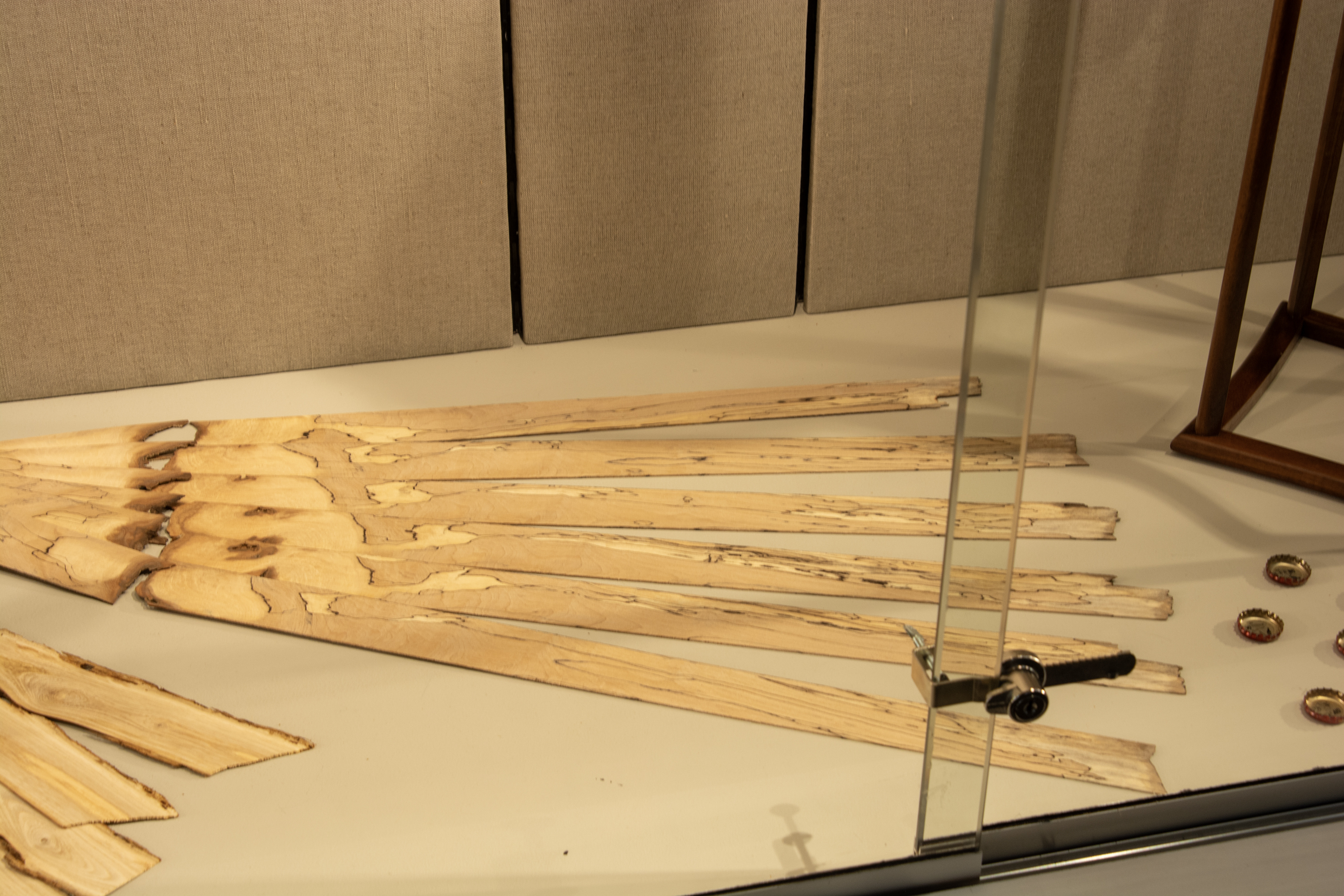
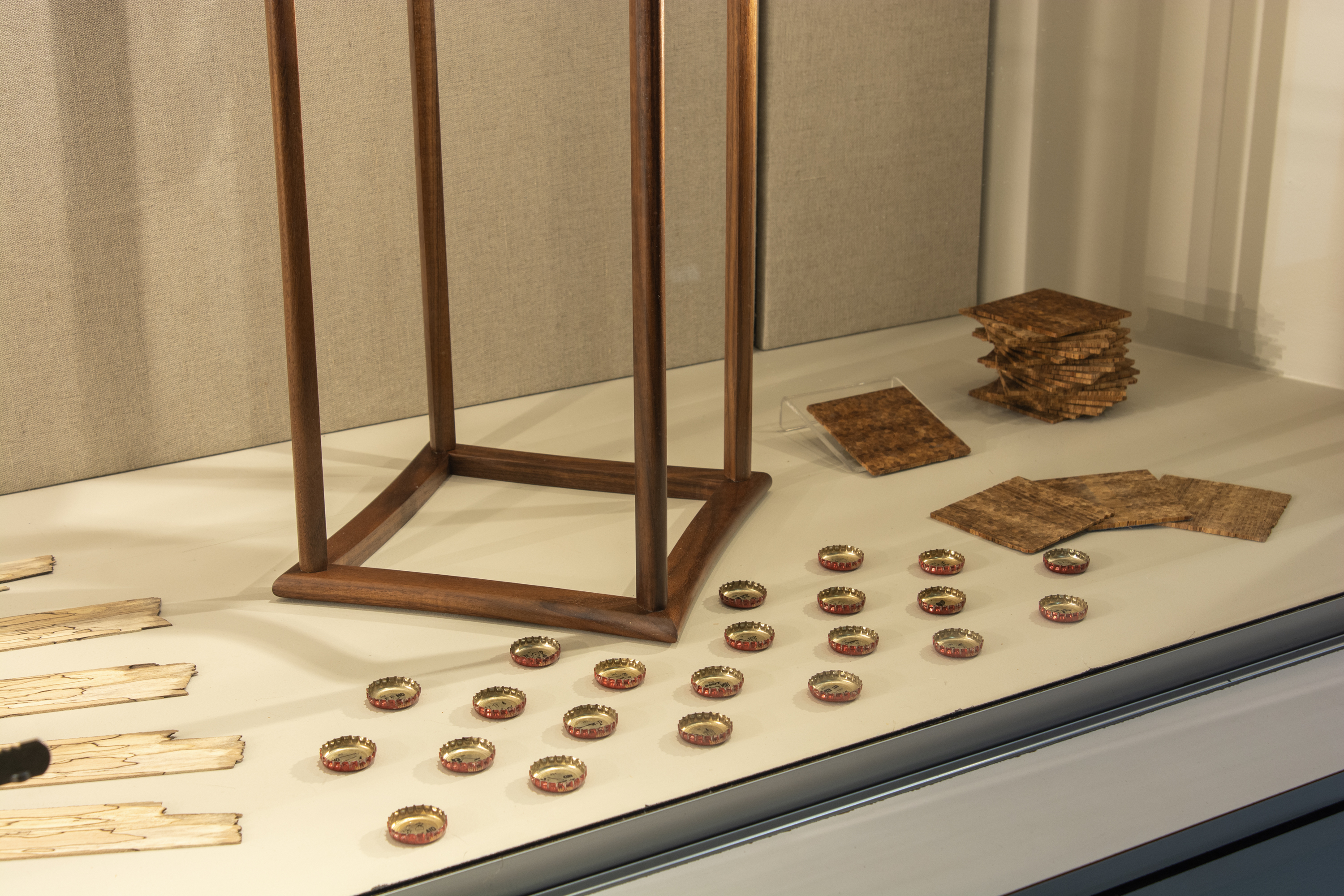
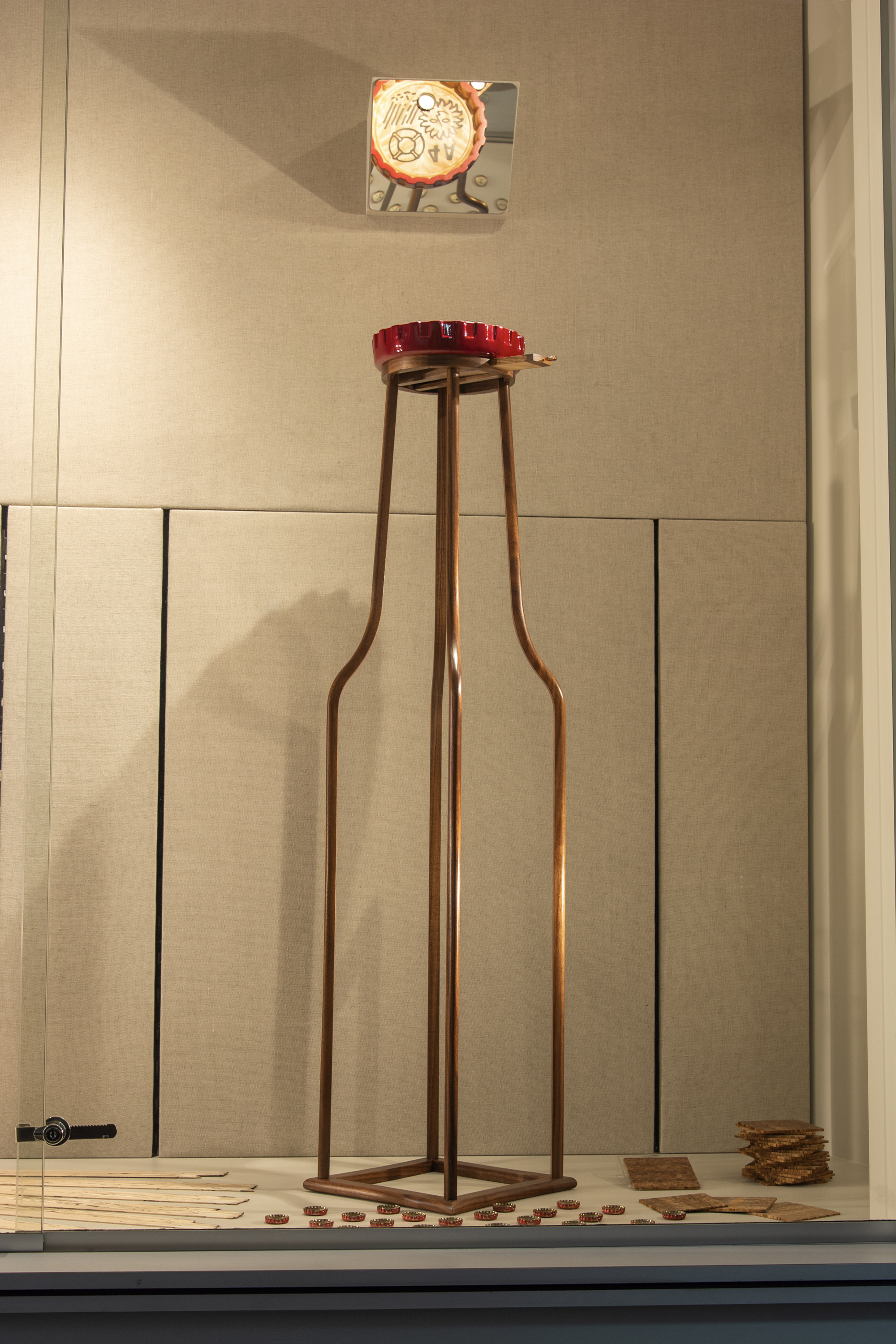
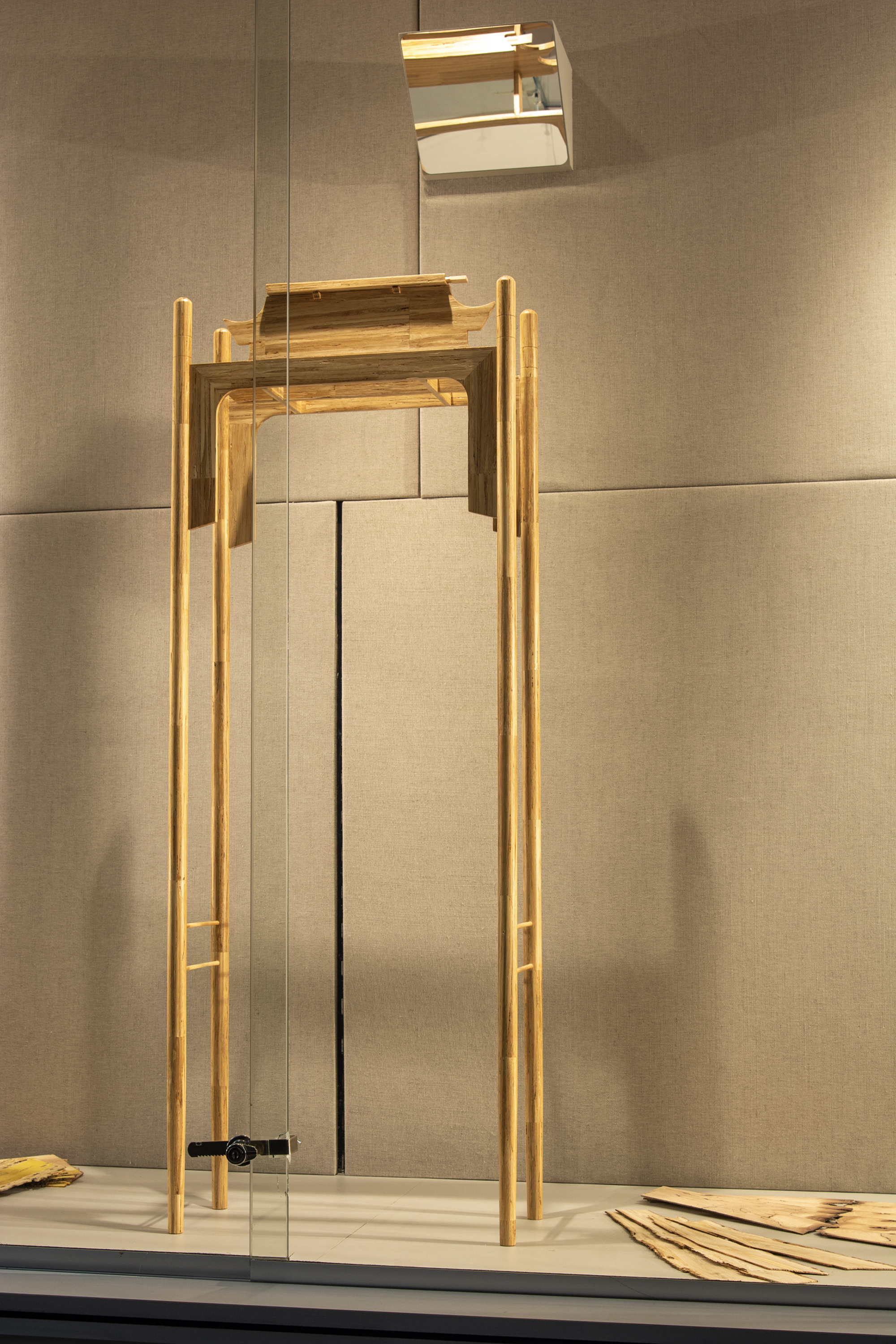
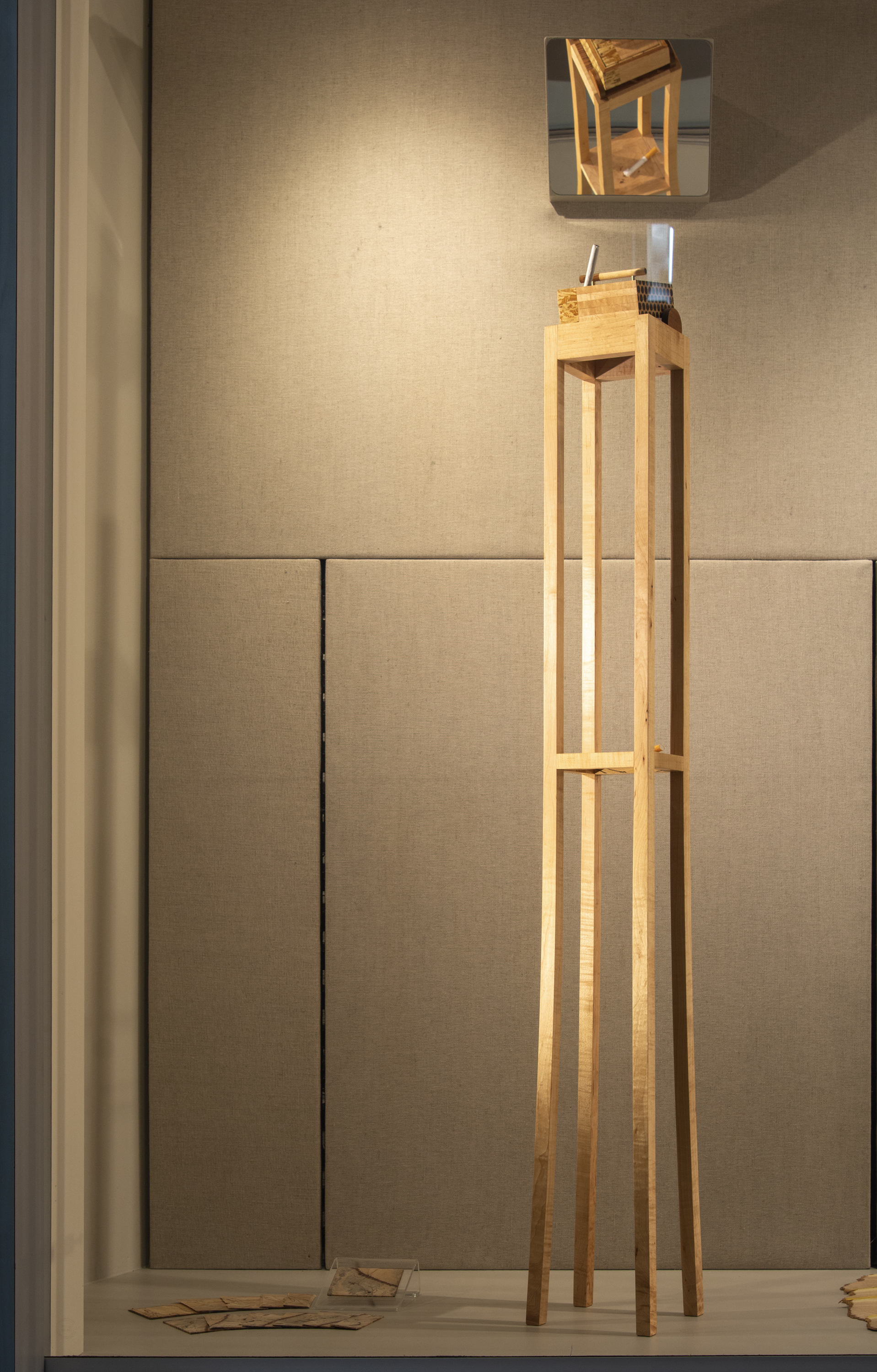
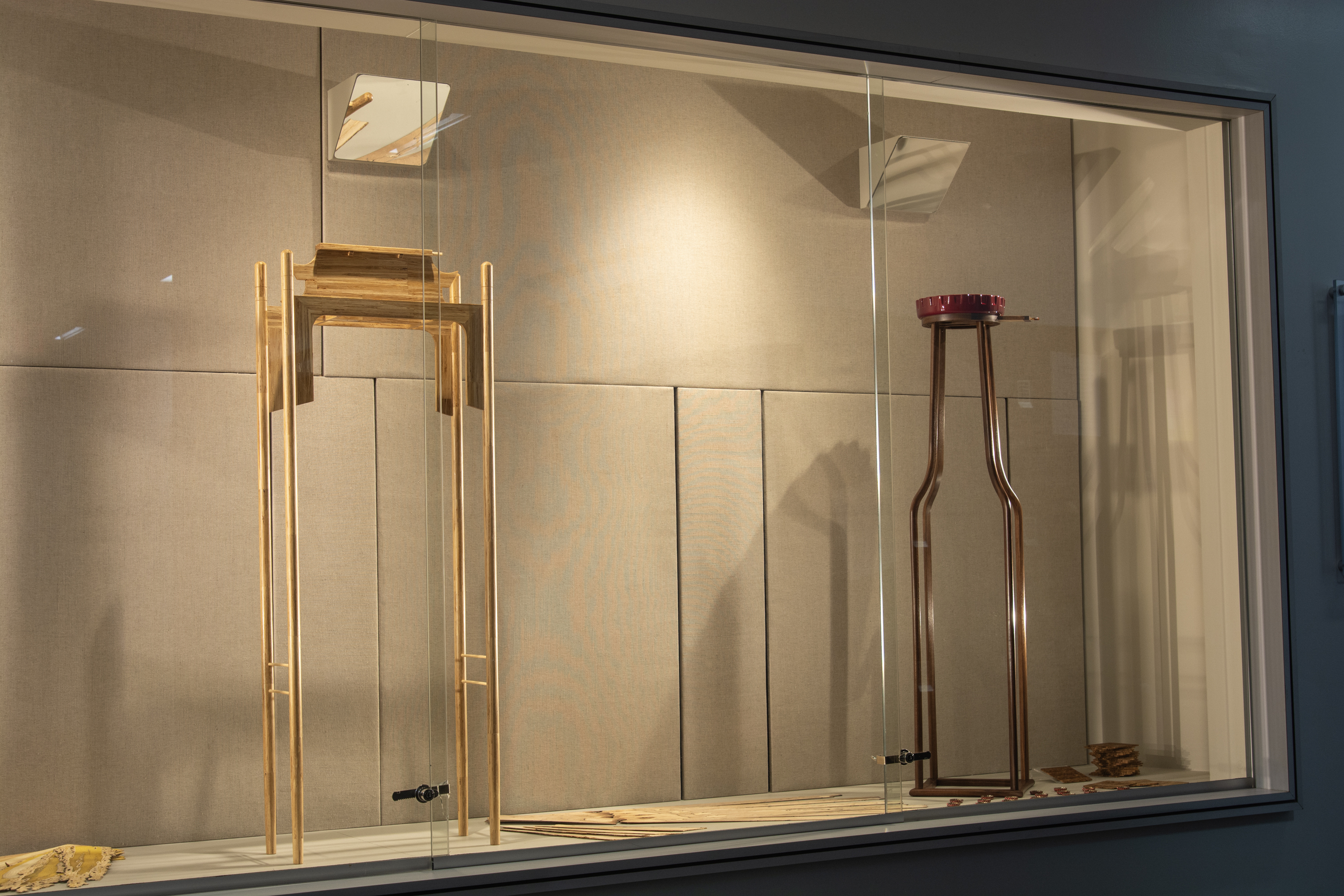
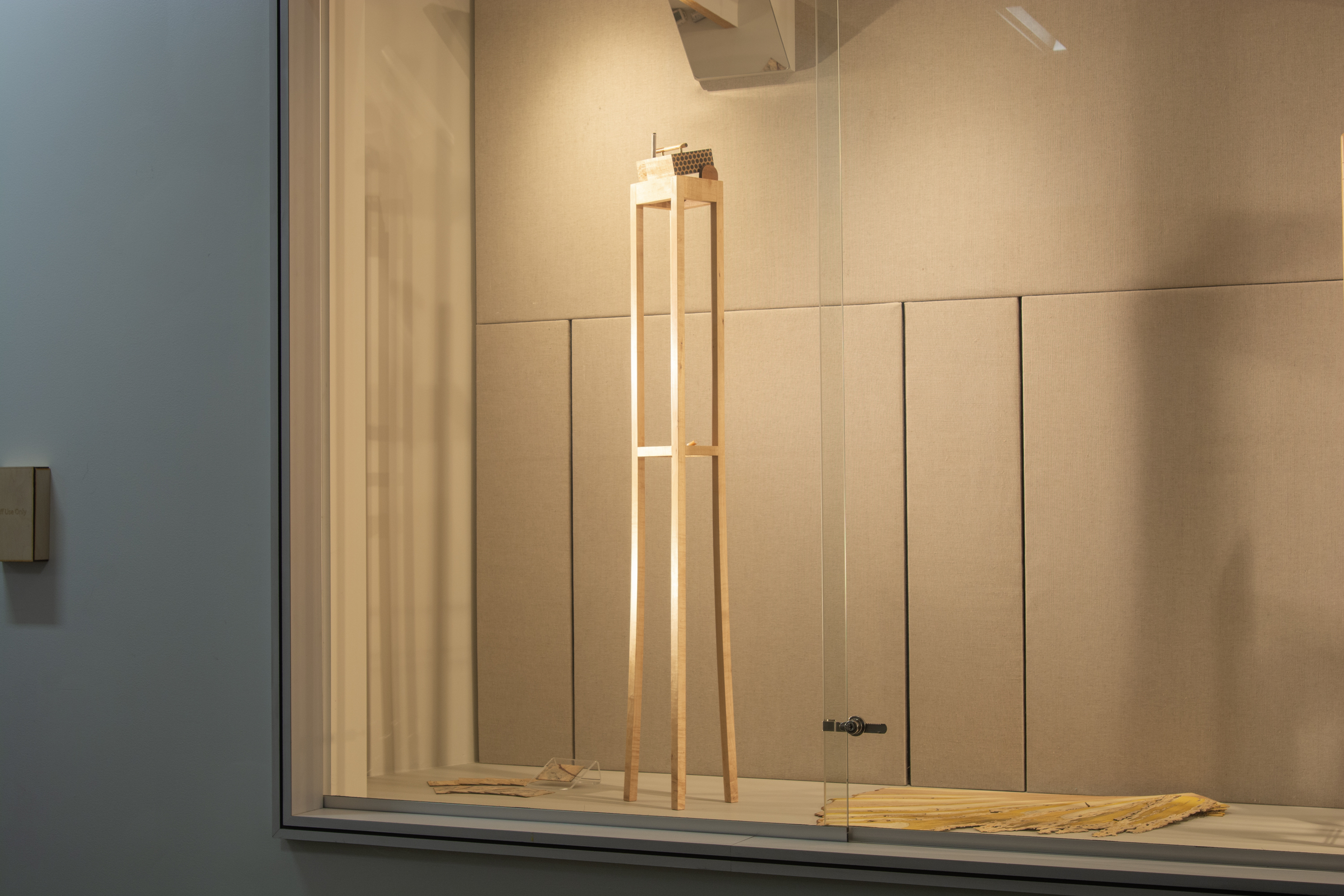
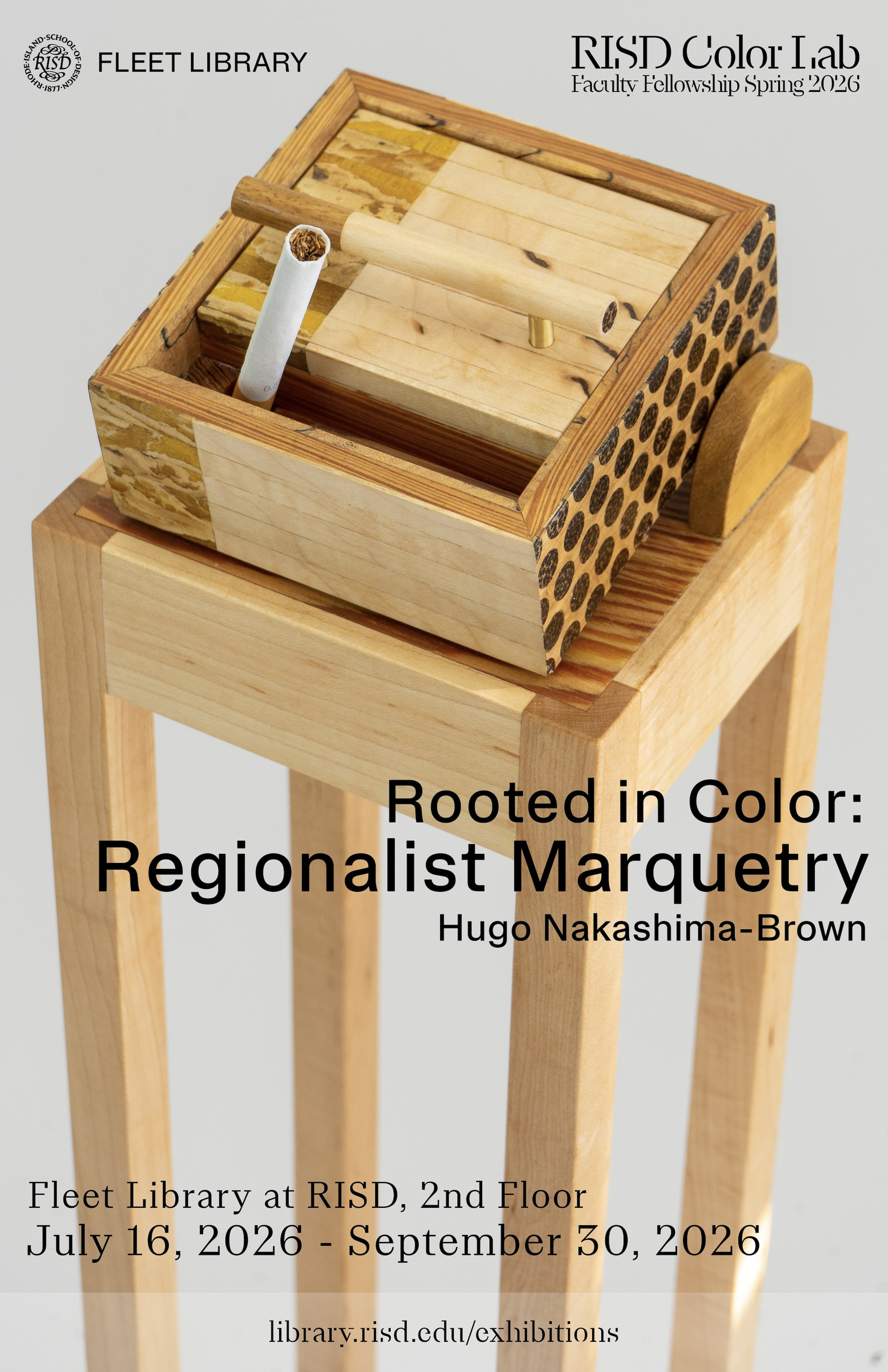
This exhibit is the result of a fellowship that sought to explore what a contemporary regionalist color palette might look like in woodworking and marquetry. While dyed veneers and imported species have largely freed contemporary makers from the color limitations that historically shaped furniture traditions, this project instead adopted a deliberate constraint: to work only with wood and wood-derived materials sourced locally, particularly those overlooked, discarded, or considered unsuitable for lumber. Partnering with local organizations like the Arnold Arboretum, I resawed prunings from species such as tree-of-heaven and Amur cork tree into veneers, searching not only for color but also for unusual textures, grain patterns, and other marks. In the Smoking Cabinet, the cork bark of Amur cork tree becomes cigarette filters, while spalted maple salvaged from a discarded piece of dunnage evokes a smoker's lung for the box's interior. This search for color in unlikely places expanded beyond conventional lumber altogether. For Chopstick Cabinet, thousands of discarded restaurant chopsticks were laminated into a composite "lumber." In Lonestar Cabinet, paper birch cuttings from the Arnold Arboretum were transformed through marquetry, automotive paint, and gold leaf into an oversized wooden bottle cap.
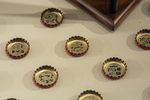
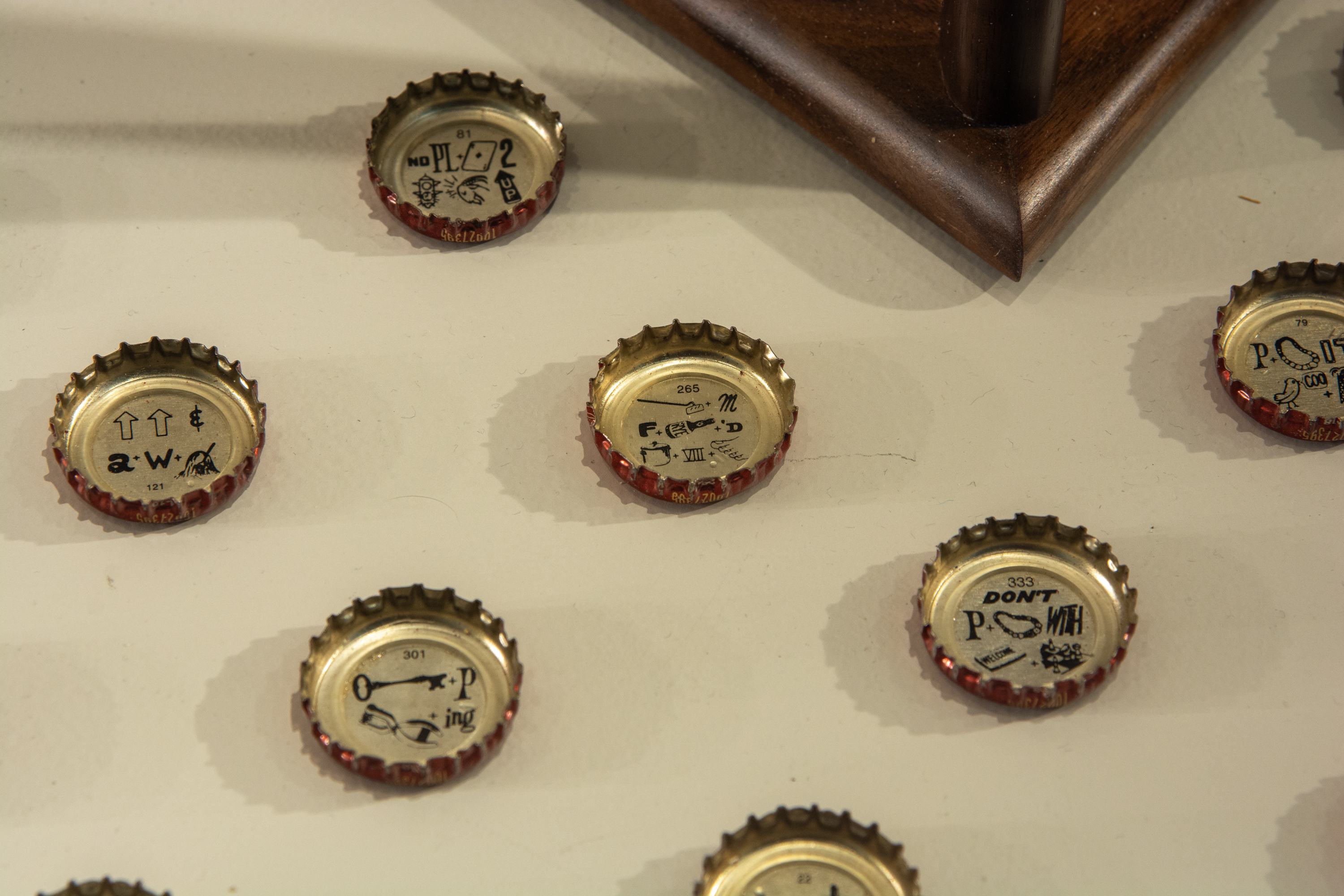
The three cabinets share the form of the cabinet-on-stand popularized by James Krenov, while borrowing equally from traditions of folk art, vernacular design, and historical furniture. Taking as a point of departure Krenov's cutting remark about another furniture maker, that a piece was "a long way to go for a joke", each cabinet pursues an absurdly specific function. Smoking Cabinet exists to hold cigarettes; Chopstick Cabinet holds a single pair of disposable chopsticks; and Lonestar Cabinet stores bottle caps with rebus puzzles modeled after those once found beneath bottles of Lone Star beer. Their extreme specificity pushes them toward a specialization that becomes almost purely aesthetic or sculptural while remaining tethered to furniture. In this respect, they are inspired by the extreme specificity and perfect use of implements in the Japanese tea ceremony. Each work also collides disparate cultural references: invasive New England species signify the ailments and addictiveness of smoking; Ming-dynasty joinery meets the forms of Chinese takeout packaging; a seventeenth-century Chinese table type is reimagined through the silhouette of a beer bottle.
By applying labor-intensive furniture traditions and the labor-intensive manufacture of veneer to objects of little practical value, the cabinets elevate discarded materials and everyday cultural artifacts to reimagine what a collectible object, design, or species might be.